

There’s something about the crunch of crispy tofu katsu peeking out from a sea of vibrant vegetables that brings a wave of joy to my kitchen. As I prepared these Vegan Tofu “Katsu” Sushi Sandwiches and Rolls, or Onigirazu and Maki, I couldn’t help but feel the excitement of unrolling each bite—packed with flavor, texture, and a touch of creativity.
When I first dipped my fingers into the cool rice, I recalled the many evenings spent at sushi bars, savoring the delicate balance of ingredients wrapped in nori. But why wait for a special occasion when I could create my own sushi experience at home? Perfect for a casual lunch or a fun dinner with friends, this recipe transforms the humble tofu into a show-stopping meal that even the most dedicated fast-food lovers can’t resist.
Ready to dive into this culinary adventure? Let’s roll up our sleeves and craft these delightful sushi sandwiches and rolls that are not just easy to make but also incredibly satisfying to enjoy!
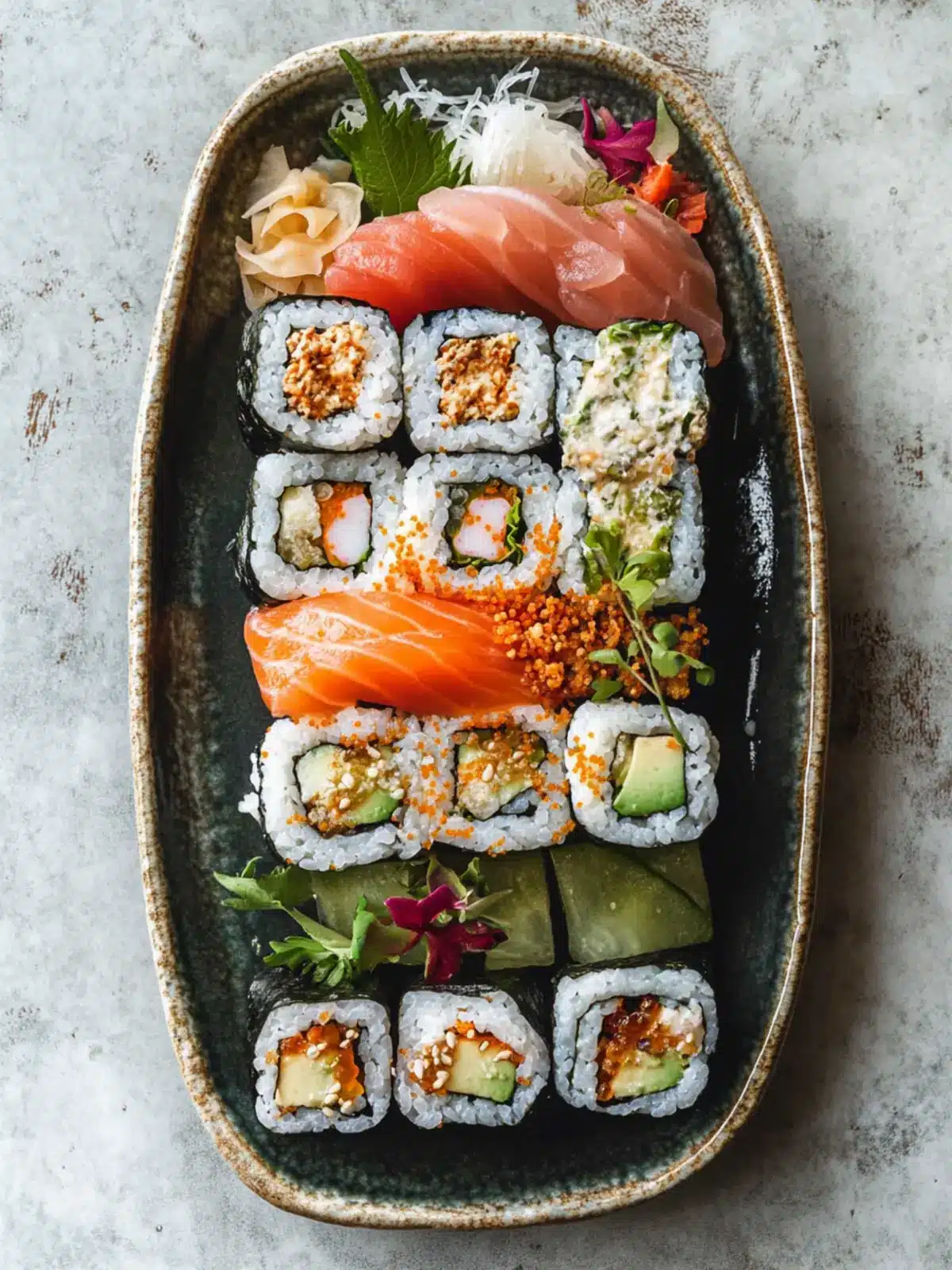
Why love Onigirazu and Maki so much?
Delicious flavor profile: The fusion of crispy tofu katsu, fresh vegetables, and sticky sushi rice ensures every bite is a burst of taste.
Versatile options: Feel free to experiment with different tofu varieties like teriyaki or smoked tofu to personalize your sushi experience.
Easy to make: Even kitchen beginners can whip up these delightful dishes with simple steps, ditching fast food for good!
Fun activity: Rolling up sushi with family or friends adds an enjoyable element to mealtime, encouraging creativity and laughter.
Crowd-pleaser: These vegan sushi sandwiches are perfect for gatherings, making them a hit at any potluck or dinner party!
Onigirazu and Maki Ingredients
For the Sushi Sandwiches
- Nori sheets – Use 4 whole sheets for wrapping your ingredients tightly.
- Prepare Japanese sushi rice – 3 cups after cooking, offering the perfect stickiness for shaping.
- Tofu katsu – Slice into strips for those signature crunchy bites in your rolls.
- Other tofu of choice – Options like teriyaki, black pepper, or smoked tofu can add delightful flavors.
- Thinly sliced carrots – Add to taste for some extra crunch and color in each bite.
- Lettuce – Use enough to create a fresh layer that brings everything together.
- Pickled radish – Store-bought, to taste; this zesty addition brings a great tang.
- Pickled burdock root – Also store-bought; it offers an earthy flavor that’s delightful in sushi.
- Teriyaki sauce – Use homemade or store-bought, to taste, for an extra layer of richness.
- Sesame seeds – Generously sprinkle for a nutty crunch and beautiful finish.
For the Sushi Rice
- Uncooked Japanese rice – 1 1/2 cups, your staple for sushi sandwiches.
- Rice vinegar – 1/8 to 1/4 cup, to season your rice to perfection.
- Cane sugar – 1 1/2 tbsp adds a subtle sweetness that balances the flavors.
- Salt – 3/4 tsp enhances all the tastes in your rice beautifully.
Dive into this delicious Onigirazu and Maki-making adventure as we gather all these wonderful ingredients!
How to Make Onigirazu and Maki
-
Wash the rice – Rinse the uncooked Japanese rice 2-3 times under cold water until the water runs clear. This removes excess starch and helps achieve the perfect texture.
-
Cook the rice – Use a rice cooker with equal parts water and rice. Cook until fluffy and tender, following your rice cooker’s instructions.
-
Mix the seasoning – While your rice is cooking, combine rice vinegar, cane sugar, and salt in a large wooden or ceramic bowl. Stir until dissolved to create a beautiful seasoning mix.
-
Combine – Once the rice is cooked, gently fold it into the vinegar mixture. Cover with a damp towel and refrigerate for at least 1 hour to let the flavors meld.
-
Prep the nori – To make Onigirazu, lay a nori sheet on a clean, flat surface. Keep a bowl of water nearby to wet your fingers and prevent sticking while you assemble.
-
Shape the rice – Place a generous scoop of sushi rice on the nori, molding it into a square that matches the size of your tofu katsu for even layering.
-
Add toppings – Layer on some fresh lettuce, then delicately place the crispy tofu katsu on top, adding any additional toppings that suit your fancy.
-
Top with rice – Add another layer of sushi rice on top, pressing down gently to secure everything. This helps keep the filling together.
-
Fold the nori – Carefully fold in the sides of the nori toward the center to hold the filling. Use your fingers to keep the ingredients snug as you fold it up from the bottom.
-
Secure and slice – Flip the Onigirazu to seal it. With a sharp knife, slice it in half, wiping the blade with a damp towel to prevent the rice from sticking.
-
For sushi rolls – Place a nori sheet on a bamboo mat. Moisten your hands and evenly spread rice, leaving at least a 1/2-inch border at one end for sealing.
-
Fill the roll – Layer your choice of fillings on the rice, allowing the flavors to blend beautifully.
-
Roll it up – Tightly roll the nori sheet towards the end with no rice, tucking the fillings in as you go. Squeeze firmly to seal the edges.
-
Pack it tightly – For a tighter roll, gently roll the bamboo mat around the finished maki, ensuring it maintains its shape.
-
Slice the sushi – With a sharp knife, cut the roll into 8 pieces, again using a damp towel to clean the knife between cuts to ensure nice, even pieces.
Optional: Sprinkle sesame seeds on top for an added crunch and flavor!
Exact quantities are listed in the recipe card below.
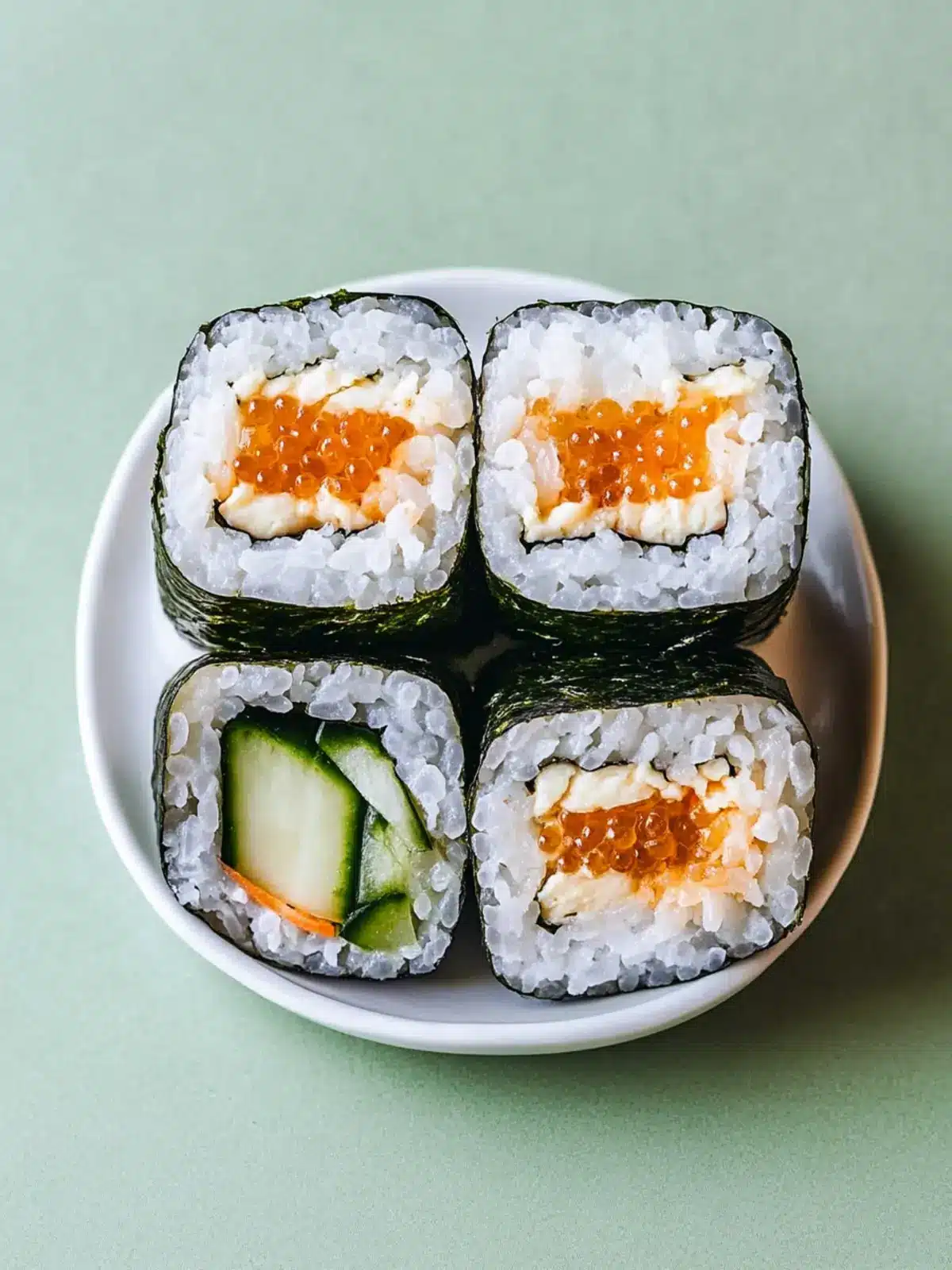
Onigirazu and Maki Variations
Feel free to unleash your creativity and customize your sushi with these delicious twists and substitutions!
-
Gluten-Free: Use gluten-free tamari instead of soy sauce to keep it safe for those with gluten sensitivities, while still packing in that umami flavor.
-
Spicy: Add a drizzle of sriracha or a sprinkle of crushed red pepper flakes to the filling for a zesty kick that balances beautifully with the creamy tofu.
-
Crunchy: Incorporate crushed nuts or seeds, such as almonds or pumpkin seeds, for an unexpected textural contrast that will surprise your taste buds in every bite.
-
Herbaceous: Switch things up by adding fresh herbs like cilantro or basil in place of lettuce for an aromatic and vibrant flavor boost that transports your sushi to another level.
-
Pickled Vegetables: Get adventurous with different pickled goodies, such as pickled onions or jalapeños, to create a zesty and tangy profile that awakens the palate.
-
Fruit Fusion: Try adding thin slices of avocado or mango, which bring a luscious creaminess that enhances the dish while adding a touch of sweet exotic flavor.
-
Sweet Touch: For those who crave a hint of sweetness, drizzle some hoisin sauce over the filling before rolling it up, creating a delightful contrast with the savory ingredients.
-
Smoky Flavor: Substitute regular tofu with a smoked variety for a rich, deep flavor that elevates the entire sushi experience and pairs wonderfully with fresh veggies.
Let your imagination run wild as you create your perfect Onigirazu and Maki masterpieces!
Expert Tips for Onigirazu and Maki
-
Rice Rinsing: Always wash your rice until the water is clear. This helps achieve the perfect sticky texture for Onigirazu and Maki.
-
Cool Before Mixing: Once the rice is cooked, let it cool a bit before folding in the vinegar mixture. This enhances flavor absorption and prevents sogginess.
-
Wet Hands Technique: Always keep a bowl of water handy to wet your fingers while handling the rice. This prevents it from sticking to your hands and keeps everything neat.
-
Layering Flavors: Don’t be shy with toppings! Layer different types of tofu and colorful veggies to create a vibrant, flavorful Onigirazu or Maki.
-
Seal Well: When rolling, make sure to squeeze tightly but gently to keep everything packed together. A secure roll ensures a delightful experience at every bite.
-
Sharp Knife: Use a sharp, damp knife to slice your sushi. This prevents squishing and keeps your beautiful rolls intact, showcasing all those lovely ingredients!
Make Ahead Options
These Vegan Tofu “Katsu” Sushi Sandwiches and Rolls, or Onigirazu and Maki, are perfect for meal prep enthusiasts! You can prepare the sushi rice and tofu katsu up to 3 days in advance. Simply cook the rice, season it, and refrigerate in an airtight container to keep it fresh and flavorful. The tofu can also be cooked, sliced, and stored in the fridge; just reheat it slightly before assembly to maintain that delightful crunch. Before serving, assemble the Onigirazu and Maki with fresh veggies to ensure they taste just as delicious as if made fresh. By prepping ahead, you’ll save time during the week while enjoying these tasty sushi creations!
What to Serve with Vegan Tofu “Katsu” Sushi Sandwiches and Rolls?
Pair your delightful sushi with some wonderful sides and drinks to create a memorable meal experience.
-
Crispy Edamame: Lightly salted and roasted, these little green gems provide a satisfying crunch alongside the soft sushi texture.
-
Miso Soup: This warm, umami-rich soup brings a comforting balance, adding warmth and depth to your meal.
-
Sauteed Bok Choy: Stir-fried with garlic, this tender vegetable offers a fresh and vibrant contrast to the savory flavors of the katsu.
-
Pickled Vegetables: A tangy assortment of pickled radish or cucumbers can brighten the plate and pique your palate’s interest between sushi bites.
-
Sushi Ginger: Serving a side of this sweet-and-savory condiment cleanses the palate beautifully between different flavors of sushi.
-
Chilled Green Tea: Refreshing and slightly earthy, this beverage complements the meal while providing a gentle caffeine boost.
-
Fruit Salad: A colorful mix of fresh fruits like mango and watermelon offers a sweet finish and a vibrant contrast to the savory sushi.
-
Matcha Ice Cream: End on a sweet note with this creamy dessert that deepens the Japanese flavor experience, leaving a memorable touch.
By thoughtfully choosing sides and drinks, you’ll elevate your Vegan Tofu “Katsu” Sushi experience and turn a simple meal into a culinary celebration.
How to Store and Freeze Onigirazu and Maki
Room Temperature: Enjoy your Onigirazu and Maki fresh for up to 2 hours at room temperature. They are best eaten when made, as the nori can become soggy.
Fridge: Store leftover sushi sandwiches in an airtight container for up to 3 days. Wrap them tightly in plastic wrap to maintain freshness and texture.
Freezer: You can freeze the rice and tofu filling separately for up to 1 month. Thaw in the fridge overnight before reassembling your Onigirazu or Maki.
Reheating: For the best results, reheat the tofu in an oven to restore crispiness before assembling your sushi again. Avoid microwaving the nori to keep it crunchy!
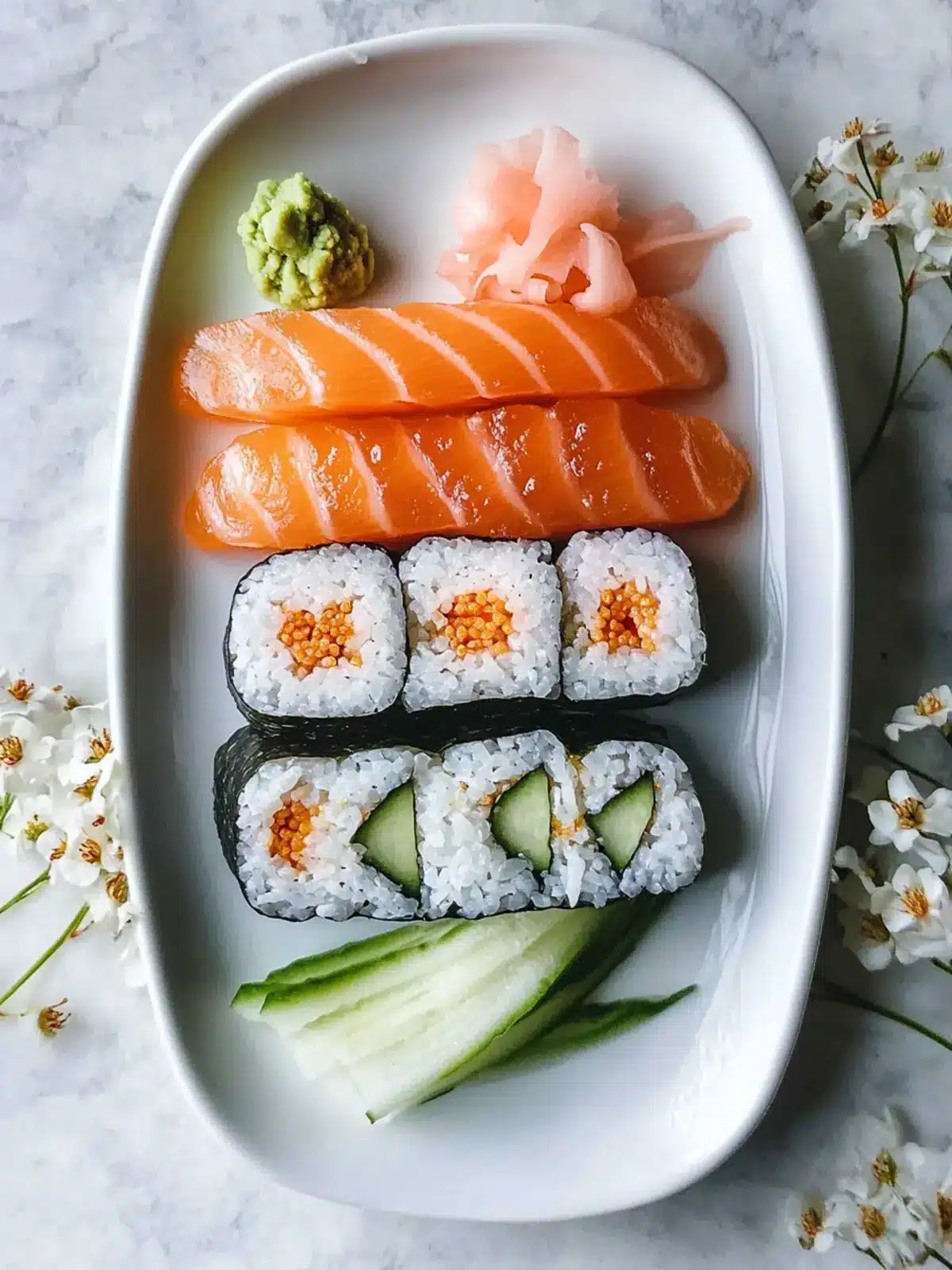
Vegan Tofu “Katsu” Sushi Sandwiches and Rolls Recipe FAQs
How do I choose the right tofu for my Onigirazu and Maki?
Absolutely! For the best texture and flavor, look for firm or extra-firm tofu. It holds up well during cooking and can be fried to achieve that delightful crispiness when making tofu katsu. If you’d like to add more depth, try marinating the tofu in soy sauce or your favorite seasoning before cooking. Tofu that’s slightly pressed can help remove excess moisture, allowing for a better texture when frying.
How should I store leftover Onigirazu and Maki?
You can certainly keep your leftover sushi sandwiches stored in an airtight container in the fridge for up to 3 days. I recommend wrapping them tightly in plastic wrap to prevent the rice from drying out or the nori from becoming too soft. Enjoy them cold or bring them to room temperature for the best flavor!
Can I freeze Onigirazu and Maki?
Yes, you can freeze the components, though not the finished product! For best results, freeze the sushi rice and prepared tofu filling separately for up to 1 month. Thaw them overnight in the fridge before you reassemble your Onigirazu or Maki. When ready to serve, reheat the tofu in an oven to restore its crispiness—this makes all the difference in maintaining that delightful crunch!
What if my sushi rice turns out too sticky?
Very much! If you find your rice is overly sticky, try reducing the water slightly the next time you cook or rinse it a few extra times before cooking to remove even more starch. For now, gently fluff it with a fork once it’s cooked and cooled, adding a drizzle of rice vinegar to help create a looser texture. This will make it much easier to work with and assemble in your sushi sandwiches or rolls.
Are there any dietary considerations for my Onigirazu and Maki?
Absolutely! If you are catering to specific dietary needs, feel free to substitute the tofu with chickpeas or tempeh for a similar protein boost. For gluten-free options, ensure your soy sauce or teriyaki sauce is gluten-free. Keep in mind that those with soy allergies can opt for alternatives like jackfruit or cooked zucchini for the filling. Plus, always check your store-bought pickles to confirm they align with your dietary restrictions!
How can I avoid soggy nori on my Onigirazu?
Of course! To keep your nori from becoming soggy, assemble your sushi sandwiches just before serving. As soon as you’ve prepared them, enjoy right away instead of letting them sit. If you’re preparing them in advance, you can also wrap the sushi tightly in wax paper to lock in freshness while preventing moisture from penetrating the nori. Enjoy your fresh experience!
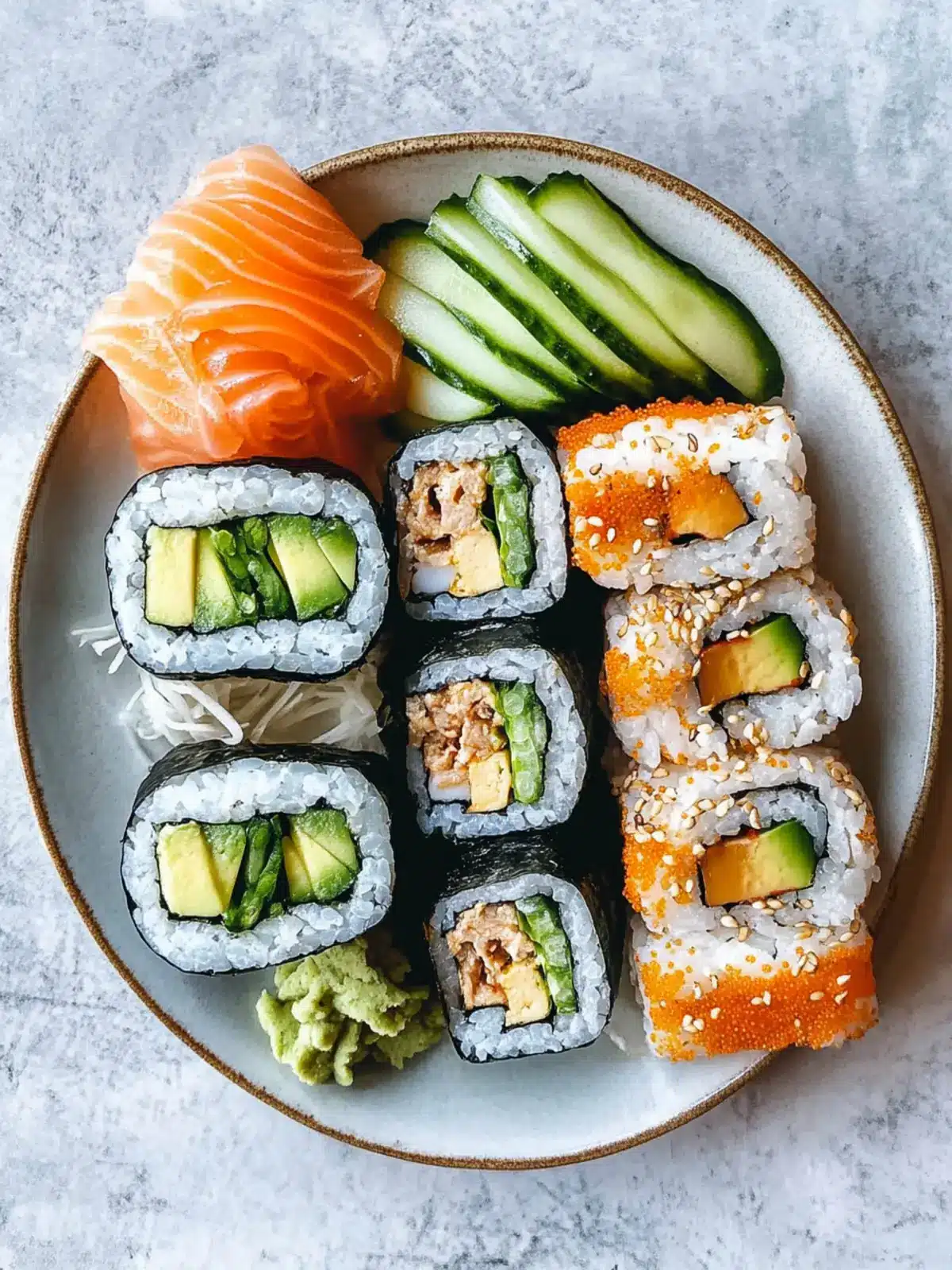
Delicious Onigirazu and Maki: Vegan Sushi Your Taste Buds Will Love
Ingredients
Equipment
Method
- Wash the rice by rinsing under cold water until the water runs clear to remove excess starch.
- Cook the rice in a rice cooker with equal parts water until fluffy and tender.
- While the rice cooks, mix rice vinegar, cane sugar, and salt in a bowl until dissolved.
- Once cooked, fold the rice into the vinegar mixture and refrigerate for at least 1 hour.
- Prepare a nori sheet on a flat surface and keep a bowl of water handy for wetting fingers.
- Place a scoop of sushi rice on the nori, molding it into a square for even layering.
- Layer on fresh lettuce and crispy tofu katsu, adding any additional toppings.
- Add another layer of sushi rice, pressing gently to secure everything.
- Fold in the sides of the nori towards the center to hold the filling.
- Flip the Onigirazu to seal it and slice in half with a sharp knife.
- For sushi rolls, place a nori sheet on a bamboo mat and moisten hands before spreading rice.
- Fill the roll with toppings, tightly roll the nori toward the end and squeeze to seal.
- Pack the roll tightly with the bamboo mat and slice into 8 pieces with a damp knife.