
As I stood in my kitchen, the rich aroma of roasted black bean paste filling the air, I couldn’t help but think how this dish transformed my evenings. Jajang Tteokbokki, with its chewy rice cakes peeking through a glossy, savory sauce, has a way of making even a simple Tuesday feel like a celebration. I had stumbled across this delightful recipe during a quest to escape the monotony of takeout, and it quickly became a staple on my dinner table.
There’s something irresistibly comforting about this dish – the blend of flavors mingling together in just 30 minutes evokes a sense of warmth and satisfaction that takes me back to shared moments around the dinner table with family and friends. Whether you’re looking to impress guests or simply treat yourself to a delicious homemade meal, Jajang Tteokbokki is the answer. The balance of sweetness from the sugar and depth from the black beans makes for a culinary experience that’s not only easy to whip up but also bursting with flavor. Let’s dive into this quick, satisfying recipe that’ll elevate your weeknight dinners!
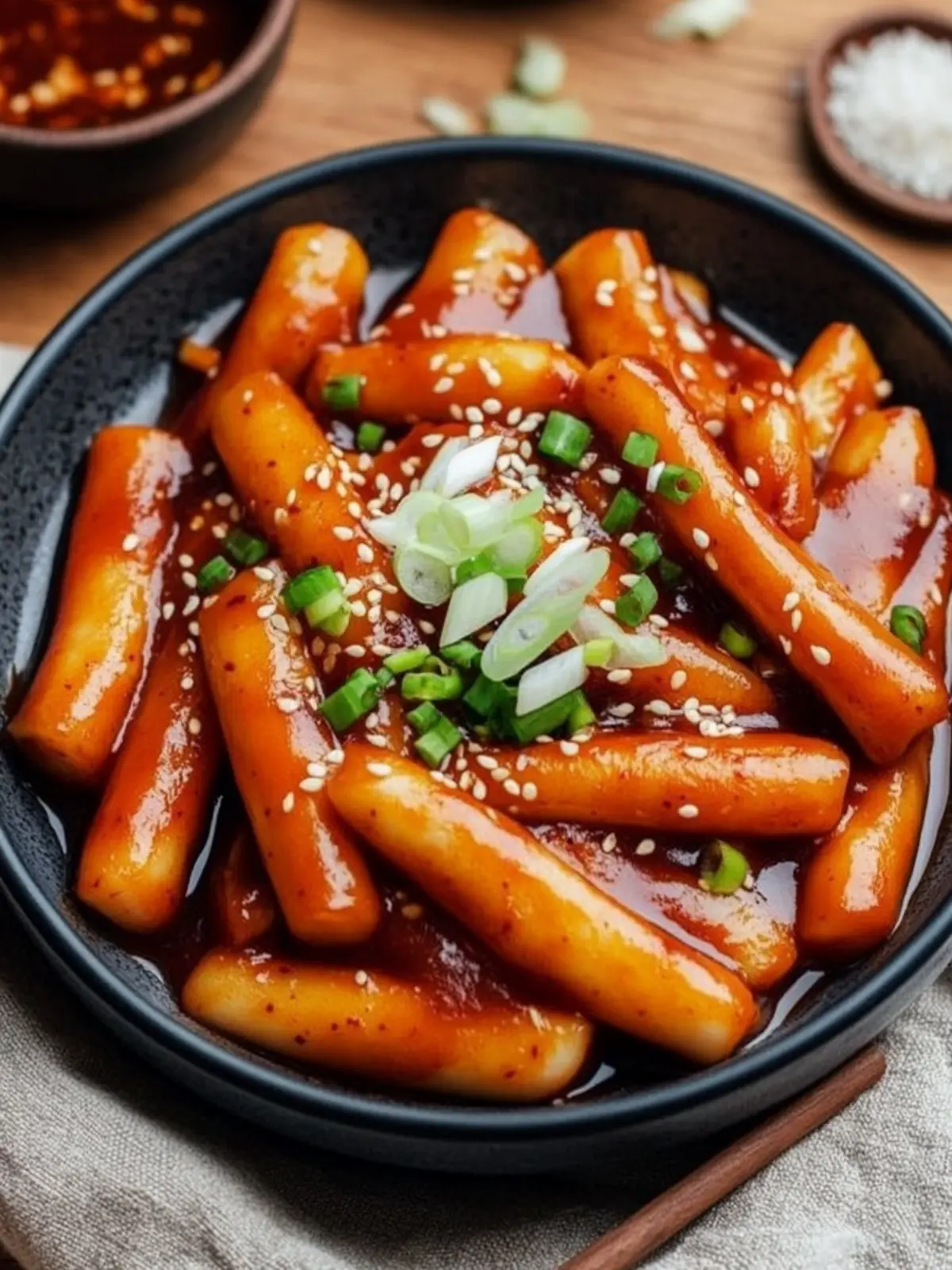
Why is Jajang Tteokbokki a must-try?
Irresistible flavors: This dish combines the unique richness of roasted black bean paste with tender rice cakes, creating an absolutely delicious fusion.
Quick prep: In just 30 minutes, you can whip up this delightful meal, perfect for busy weeknights.
Easy instructions: The step-by-step guidance ensures that even novice cooks can dive in confidently.
Crowd-pleaser: With its savory-sweet sauce and chewy texture, Jajang Tteokbokki will have everyone asking for seconds. Transform your evening meals and escape the fast-food rut with this delightful recipe!
Jajang Tteokbokki Ingredients
For the Sauce
• Korean roasted black bean – This rich paste is the heart of Jajang Tteokbokki, providing a deep, savory flavor.
• Oyster sauce – Adds a nuanced umami kick, elevating the overall taste profile.
• White granulated sugar – Balances the savory with a touch of sweetness, enhancing the dish’s complexity.
For the Rice Cakes
• Korean rice cakes – These chewy delights are essential to create the dish’s iconic texture.
For the Broth
• Anchovy stock or dashi or chicken stock – Any of these options provide a rich, flavorful base for the sauce.
For the Protein
• Fish cakes or fish balls/fish cake sheets – Adds a savory depth and variety to your Jajang Tteokbokki.
For the Vegetables
• Onion – Finely diced for a soft, sweet bulk that complements the stronger flavors.
• Green onions – Chopped into pieces and garnished finely, they contribute freshness and color.
For the Garnish
• Finely chopped green onion – Brightens the dish and adds a pop of color.
• Sesame seeds – Sprinkle on top for a nutty finish that elevates your presentation.
Let’s get started on this mouthwatering journey with the comforting and delicious Jajang Tteokbokki!
How to Make Jajang Tteokbokki
-
Soak the rice cakes in warm water for 5-10 minutes. This ensures they become soft and pliable, ready to absorb the delicious sauce. Strain and set them aside to let any excess water drip off.
-
Mix the anchovy stock and cornstarch in a small bowl. This combination will act as a thickener, providing a rich and smooth texture to the sauce. Set this mixture aside while you prepare other ingredients.
-
Heat the vegetable oil in a large non-stick pan over medium heat. The oil creates a base for frying the black bean paste, allowing its flavors to bloom.
-
Fry the roasted black bean paste in the oil for 1 minute, stirring constantly. This step develops the depth of flavor, making sure your dish is packed with savory goodness.
-
Add the diced onion, green onions, and sliced fish cakes to the pan. Mix everything well for about 3-4 minutes, until the onions are softened and the fish cakes start to brown slightly.
-
Stir in the cornstarch stock mixture, combining thoroughly with the rest of the ingredients. Bring it to a boil, then reduce the heat to a simmer for 5 minutes, allowing the sauce to thicken beautifully.
-
Mix in the strained rice cakes, seasoning with sugar and oyster sauce to taste. Simmer the mixture for another 5-10 minutes, ensuring the rice cakes turn soft yet chewy as they soak up the flavors. Remove from heat when done.
-
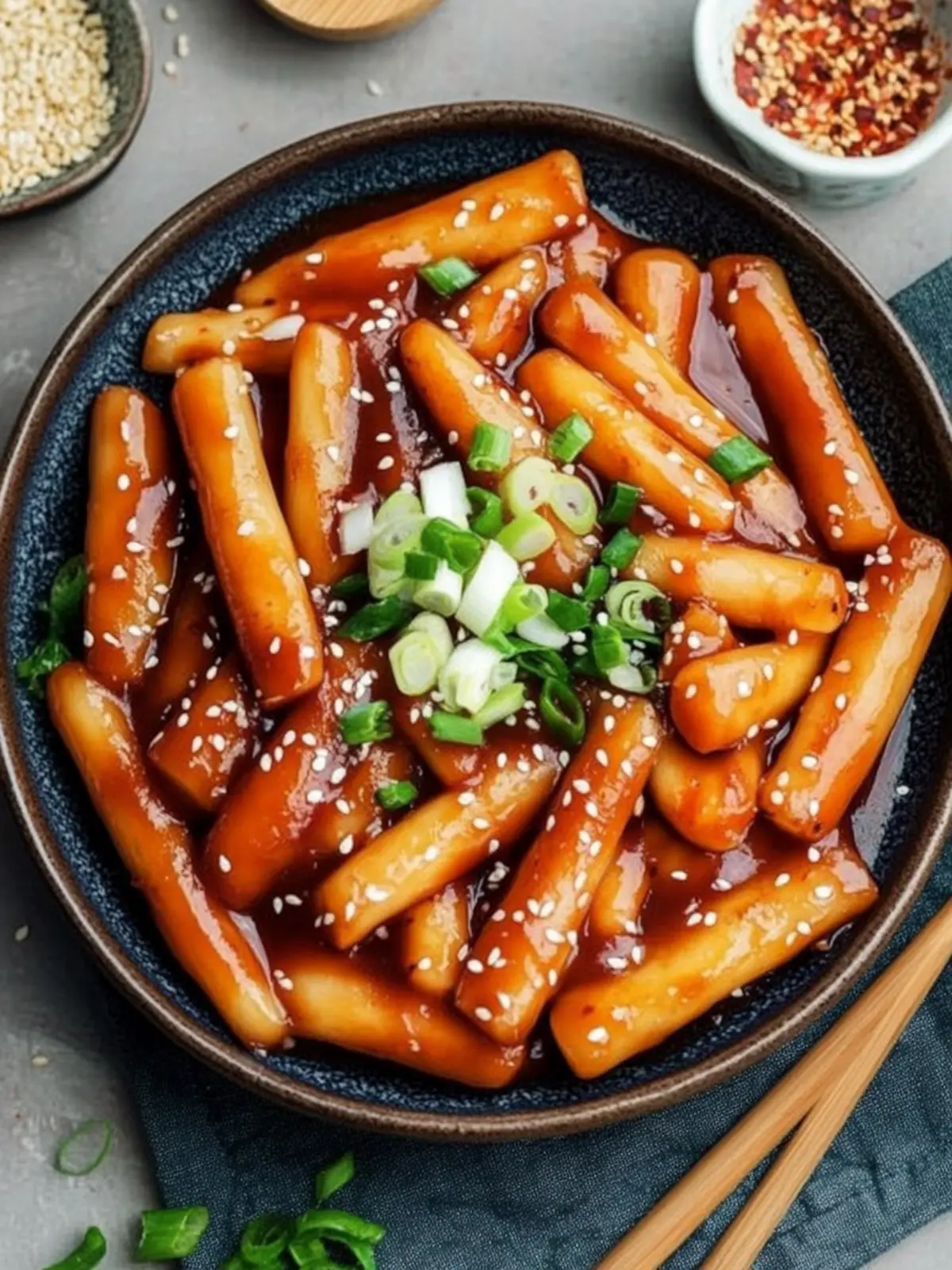
Garnish your Jajang Tteokbokki with chopped green onions and sesame seeds. This final touch adds color and a delightful crunch to your dish, inviting everyone to dig in!
Optional: Serve with a side of pickled radish for a refreshing contrast.
Exact quantities are listed in the recipe card below.
Make Ahead Options
Jajang Tteokbokki is a fantastic meal prep option for busy home cooks looking to save time! You can prepare the rice cakes and sauce separately up to 24 hours in advance. Start by soaking the rice cakes and straining them. For the sauce, mix together the anchovy stock and cornstarch, then stir-fry the black bean paste, onions, and fish cakes as directed, but do not add the rice cakes. Store both components in separate airtight containers in the refrigerator. When you’re ready to enjoy your Jajang Tteokbokki, simply heat the sauce, mix in the rice cakes, and simmer until everything is warmed through and the rice cakes are tender. This way, you can savor a comforting meal just as delicious as when freshly made, with minimal effort!
Jajang Tteokbokki Variations
Feel free to explore these delightful twists on the classic Jajang Tteokbokki recipe! Your taste buds will thank you.
-
Spicy Kick: Add gochujang or chili flakes to the sauce for an extra layer of heat. Spicy and savory together can create a thrilling experience!
-
Vegetable Boost: Toss in sliced bell peppers, zucchini, or mushrooms for added nutrition and texture. The veggies will soak up the delicious sauce, making every bite a vibrant surprise.
-
Vegan Option: Replace fish cakes with tofu or tempeh for a plant-based delight. Marinating either in soy sauce beforehand will enhance the overall flavor.
-
Cheesy Indulgence: Stir in shredded cheese just before serving for a creamy twist. The melty cheese combines wonderfully with the savory sauce, creating a melt-in-your-mouth treat.
-
Sweet Alternative: Use honey or maple syrup instead of sugar for a unique flavor profile. This slight change will add a delightful sweetness that complements the rich beans beautifully.
-
Crunchy Topping: Try crushing some roasted peanuts or adding crispy fried shallots on top for extra texture. A crunchy finish can take your dish to the next level, making it even more irresistible.
-
Herb Infusion: Experiment with adding fresh herbs like cilantro or basil to brighten the dish. The freshness adds a lovely contrast to the rich sauce, transporting you to a summer garden.
-
Breakfast Twist: Serve with a fried egg on top for a hearty breakfast or brunch version. The runny yolk provides a luscious creaminess that elevates your Jajang Tteokbokki experience.
What to Serve with Jajang Tteokbokki?
Enhancing your meal with delightful pairings can elevate the experience of enjoying this chewy comfort food.
- Pickled Radish: Bright and tangy, this crunchy side cuts through the richness, providing a refreshing contrast.
- Korean Fried Chicken: The crispy exterior and savory inside create a perfect match with the sauce’s sweetness, adding even more flavor to your spread.
- Steamed Broccoli: Lightly steamed and seasoned, this green veggie adds a nutritious and crisp bite that balances the hearty dish.
- Spicy Kimchi: Its fermented flavor and heat enhance the overall taste, bringing that traditional Korean touch which pairs beautifully with Jajang Tteokbokki.
- Sesame Noodles: The nutty dressing and chewy texture create a satisfying complement, making for a varied and delightful meal. Each noodle bites carries a hint of flavor that harmonizes with the dish.
- Cucumber Salad: Chilled and crunchy, this refreshing salad offers a burst of freshness, making each bite of Jajang Tteokbokki even more enjoyable.
- Green Tea: This fragrant drink cleanses the palate, allowing you to fully appreciate each flavor in the Jajang Tteokbokki.
- Mochi Ice Cream: For dessert, this sweet, chewy treat offers a delightful finish, providing a taste of sweetness that echoes the flavors of your main dish.
Each of these pairings tailors perfectly to the iconic Jajang Tteokbokki, promising a memorable dining experience!
Expert Tips for Jajang Tteokbokki
Soak Rice Cakes: Ensure you soak the rice cakes in warm water to achieve a soft and chewy texture—don’t skip this step!
Stir Constantly: When frying the black bean paste, constant stirring is key to prevent burning and to develop rich flavors.
Adjust Thickness: If your sauce is too thick, add a splash of stock. The perfect Jajang Tteokbokki sauce should cling to the rice cakes without being overly thick.
Taste as You Go: Seasoning is crucial—taste your sauce before adding the sugar and oyster sauce to get the balance just right.
Garnish Generously: Don’t skimp on green onions and sesame seeds for garnish; they add a burst of color, flavor, and texture that completes the dish!
How to Store and Freeze Jajang Tteokbokki
Fridge: Store leftover Jajang Tteokbokki in an airtight container in the fridge for up to 3 days. Reheat gently on low heat to maintain the rice cakes’ chewy texture.
Freezer: For long-term storage, place Jajang Tteokbokki in a freezer-safe container and freeze for up to 1 month. Thaw in the fridge overnight before reheating.
Reheating: To enjoy your frozen Jajang Tteokbokki, heat it in a pan over medium heat, adding a splash of water if needed to loosen the sauce and keep the dish moist.
Avoid sogginess: If storing leftovers, keep the rice cakes and sauce separate if possible, to prevent them from becoming too soft. Enjoy this delightful dish!
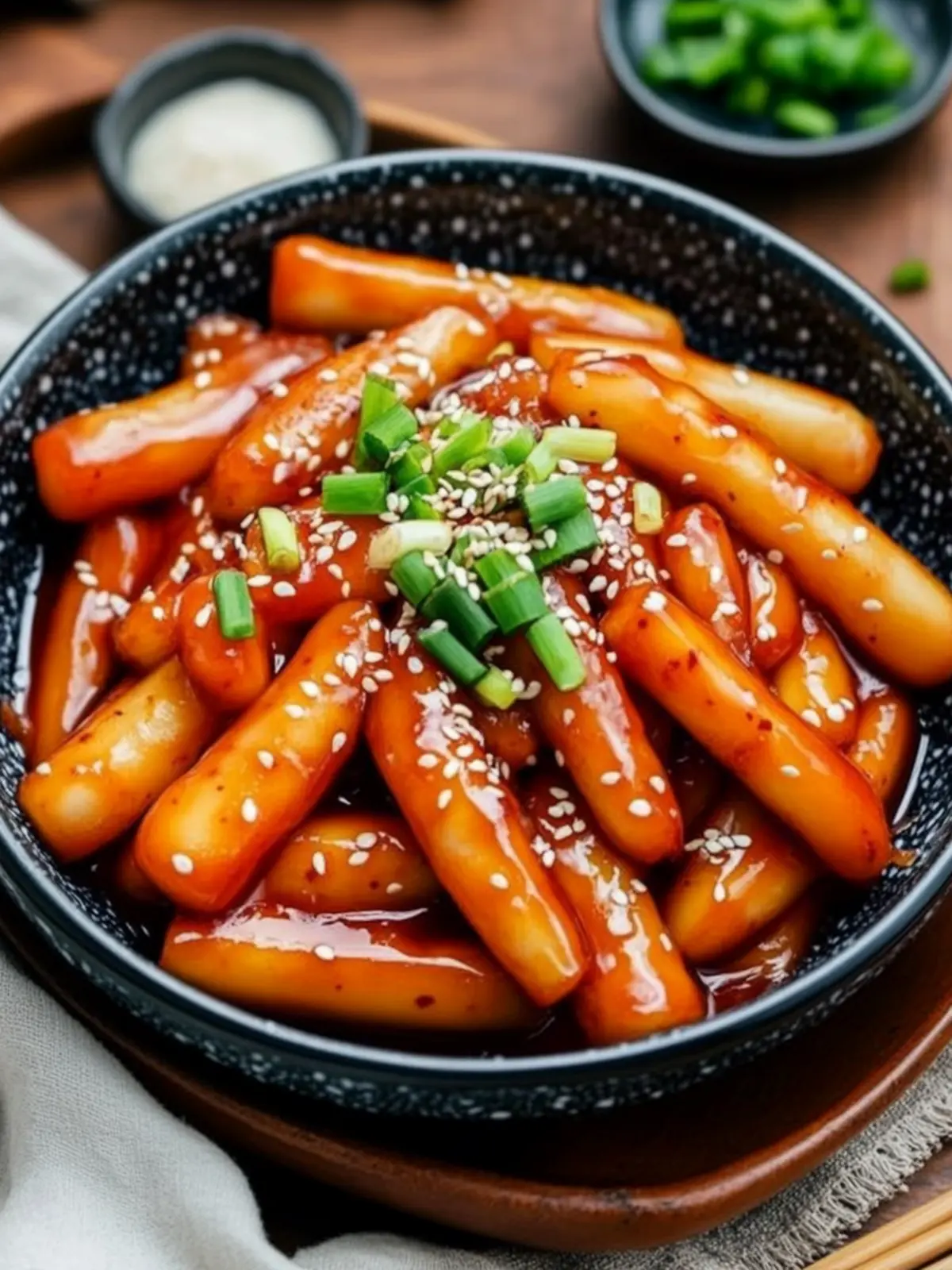
Jajang Tteokbokki Recipe FAQs
How do I choose the best Korean rice cakes?
Absolutely! When selecting Korean rice cakes, look for ones that are fresh and soft, without any dark spots or cracks. Fresh rice cakes will have a slight elasticity to them. If you’re unsure, opt for vacuum-packed or refrigerated options, as they’re typically fresh and ready to use.
How do I store leftover Jajang Tteokbokki?
To store Jajang Tteokbokki, transfer any leftovers into an airtight container and refrigerate for up to 3 days. When reheating, do so on low heat to maintain that chewy texture, adding a splash of water if it seems too dry.
Can I freeze Jajang Tteokbokki?
Yes! For freezing, place your Jajang Tteokbokki in a freezer-safe container. It can be stored for up to 1 month. When you’re ready to enjoy it again, thaw it overnight in the fridge, then reheat it in a pan over medium heat, adding some water to ensure it doesn’t dry out.
What should I do if my sauce is too thick?
If you’ve found your sauce thicker than desired, don’t worry! Just add a splash of stock or water to loosen it up. Stir well over medium heat until you reach the desired consistency. A good sauce should coat the rice cakes but not overwhelm them, so adjust it to your liking!
Are there any dietary concerns I should keep in mind?
Absolutely! This recipe contains fish sauce and fish cakes, which are not suitable for those with seafood allergies. If you’re cooking for someone with dietary restrictions, consider using plant-based alternatives for the fish cakes and ensure the stock is vegetarian if needed. Always double-check ingredient labels to avoid allergens.
Can I make Jajang Tteokbokki vegetarian?
Yes, you totally can! Use vegetable dashi or miso stock for the broth and replace fish cakes with tofu or additional vegetables like zucchini or mushrooms. Adjust the seasoning to ensure you capture that delightful umami flavor, and enjoy a delicious vegetarian version of Jajang Tteokbokki!

Delicious Jajang Tteokbokki: A Chewy Taste of Korea
Ingredients
Equipment
Method
- Soak the rice cakes in warm water for 5-10 minutes, then strain and set aside.
- Mix anchovy stock and cornstarch in a small bowl and set aside.
- Heat vegetable oil in a large non-stick pan over medium heat.
- Fry the roasted black bean paste in the oil for 1 minute, stirring constantly.
- Add diced onion, green onions, and sliced fish cakes to the pan; cook for 3-4 minutes.
- Stir in the cornstarch stock mixture and bring to a boil, then reduce to a simmer for 5 minutes.
- Mix in strained rice cakes, sugar, and oyster sauce; simmer for another 5-10 minutes.
- Garnish with chopped green onions and sesame seeds before serving.