
One evening, as the rain drummed against my window, I was reminded of the vibrant streets of Bangkok, where the scent of sizzling curry fills the air. I decided to stir things up in my kitchen with a recipe that marries the heartiness of tuna with the bold flavors of Thai cuisine. Enter my Hot Thai Tuna Stir Fry, a dish that transforms simple pantry staples into a feast for the senses.
Imagine fresh lemongrass and the aromatic punch of turmeric joining forces with tender tuna, all enveloped in a luscious red curry paste that’s just bursting with flavor. In under half an hour, you’ll whip up a meal that not only impresses but also rejuvenates any routine dinner. This recipe is a perfect antidote to fast-food fatigue and a fabulous option for weeknight dinners when time is tight but taste can’t be compromised.
Whether you serve it alongside fluffy jasmine rice or a soothing bowl of congee, one bite and you’ll see how easy it is to bring the taste of Thailand to your table. Ready to spice things up? Let’s dive into this delicious adventure!
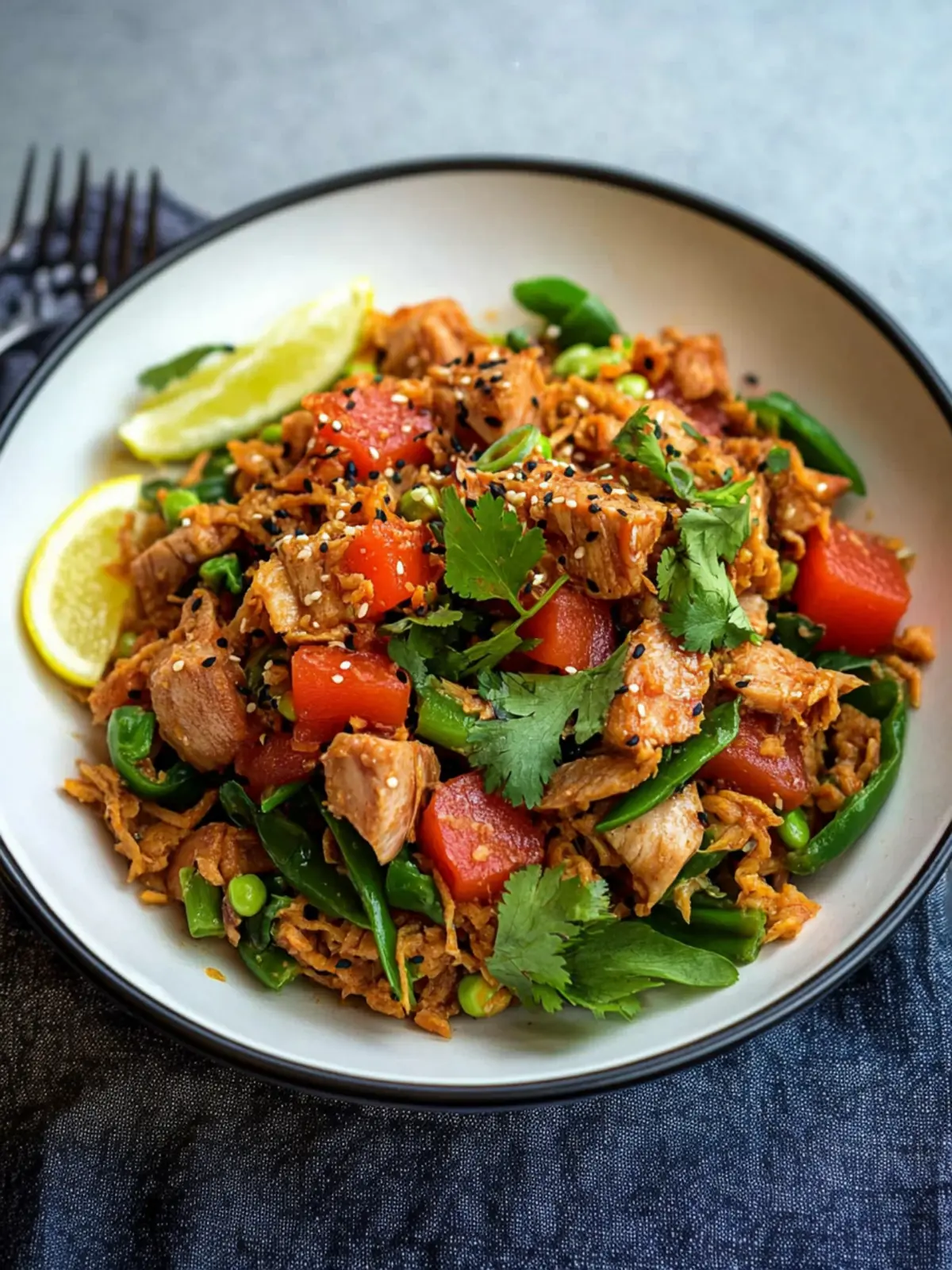
Why is Hot Thai Tuna a must-try?
Simplicity reigns supreme: This recipe is quick and requires minimal prep, perfect for busy weeknights.
Bold flavors shine through, with aromatic lemongrass and red curry creating an unforgettable taste sensation.
Healthy and nutritious, packed with protein and low in carbs, it’s a guilt-free indulgence!
Versatile serving options mean you can pair it with jasmine rice, congee, or even fresh greens.
Crowd-pleaser appeal ensures that everyone at the table will be coming back for seconds!
Hot Thai Tuna Ingredients
• Discover everything you need to create this delightful dish!
For the Curry Paste
- Black peppercorns – grind them fresh for the best flavor.
- Turmeric root – adds a warm, earthy note; feel free to use powder if needed.
- Red curry paste – the star of the show; adjust for more or less heat.
- Fermented shrimp paste (gapi) – enhances the umami flavor, so don’t skip it!
For the Tuna Dish
- Canned tuna – choose tuna packed in water or oil depending on preference.
- Neutral oil – essential for sautéing and creating a rich base; consider coconut oil for added flavor.
- Lemongrass – provides a citrusy aroma; be sure to use the tender bottom half.
- Makrut lime leaves – these fragrant leaves add a distinct Thai essence; don’t forget to julienne them.
- Palm sugar – finely chopped for sweetness; if unavailable, brown sugar works in a pinch.
- Fish sauce – a dash or two enhances the dish; season to taste.
For Garnishing
- Cilantro – adds a fresh, herbal note; toss it in just before serving!
- Red and green chilies – sprinkle on for an extra kick; adjust according to your spice level preference.
- Jasmine rice or congee – perfect for serving; you can also try fresh greens or quinoa for a twist.
With these ingredients, you’ll make your Hot Thai Tuna come alive, bringing the warmth and flavor of Thai cuisine right to your table!
How to Make Hot Thai Tuna
-
Grind spices: Using a mortar and pestle, grind the black peppercorns until they’re fine. Add the sliced turmeric and continue grinding into a smooth paste. Incorporate the red curry paste and shrimp paste, mixing until everything is well combined.
-
Heat the oil: If your tuna is packed in water, pour 3 tablespoons of neutral oil into a heated wok. If it’s packed in oil, use just 2 tablespoons. Then, add the curry paste mixture and sauté for about 2 minutes over medium heat until it becomes aromatic.
-
Dissolve sugar: Next, add the finely chopped palm sugar to the wok. Stir until it completely dissolves. If necessary, splash in a bit of water to loosen the paste; it should be moist but not watery.
-
Add tuna: Now, include the drained tuna in the wok. Mix well to ensure the tuna is evenly coated with the curry paste. Continue stirring until the mixture becomes dry and crumbly, which should take just a few minutes.
-
Toss in aromatics: Once the tuna is cooked through, add the sliced lemongrass, julienned lime leaves, and chilies if you like some heat. Gently toss to combine everything and then turn off the heat.
-
Season to taste: Finally, taste your dish and add fish sauce as needed, adjusting to your preference. If desired, toss in fresh cilantro just before serving for a pop of color and flavor.
Optional: Serve with a sprinkle of additional chopped cilantro for a fresh finish!
Exact quantities are listed in the recipe card below.
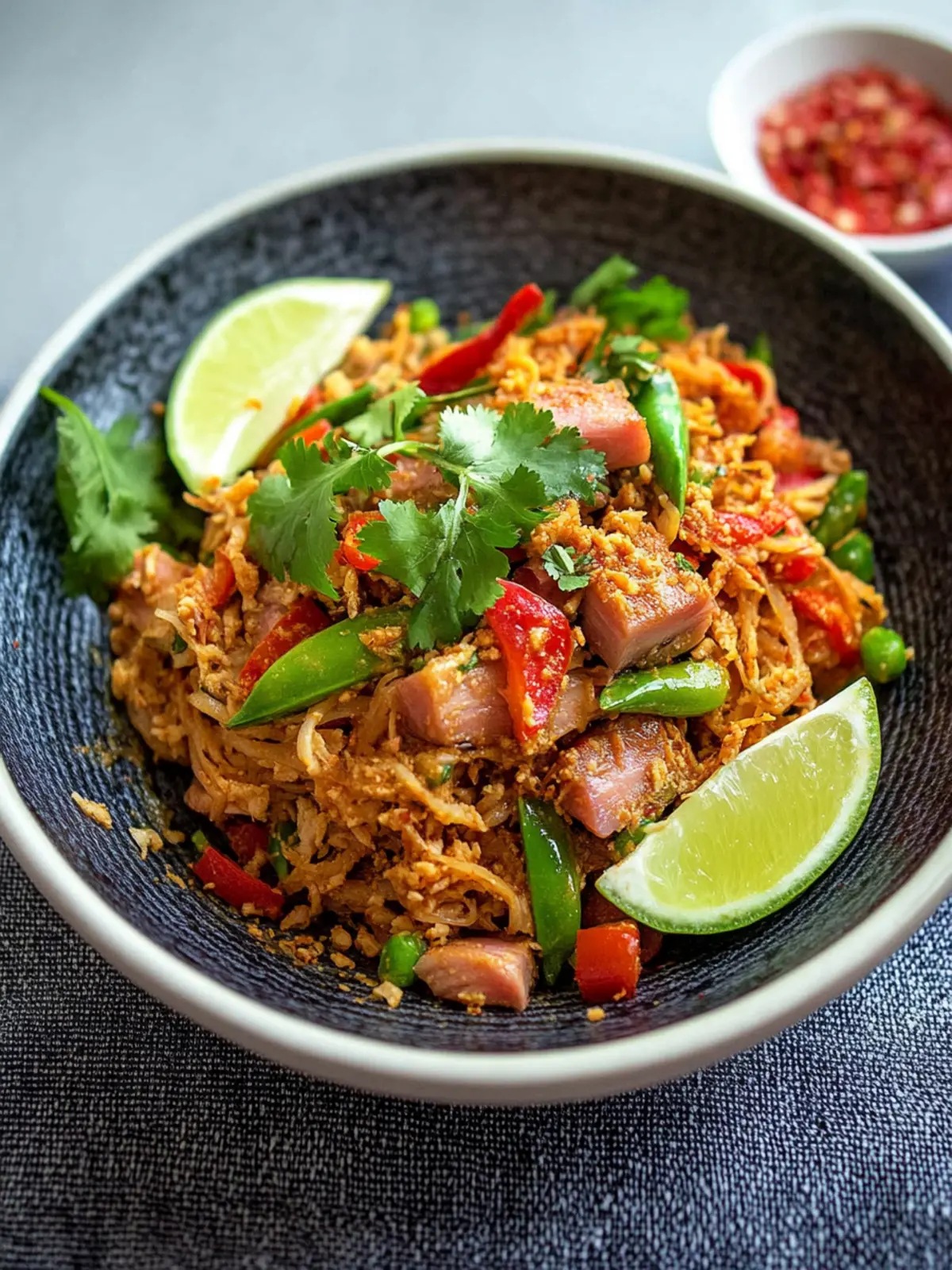
Expert Tips for Hot Thai Tuna
- Fresh Ingredients: Use freshly ground black pepper and turmeric for the best flavor; pre-ground varieties can lack potency.
- Cooking Oil Choices: Adjust the oil quantity based on your tuna’s packing; too much oil can make the dish greasy.
- Taste Test: Always taste as you go! Adjust with more fish sauce or sugar to balance the curry’s heat and sweetness.
- Tuna Texture: Ensure the tuna is well-drained to avoid excess moisture, allowing for a crumbly texture that captures the flavor.
- Customize Spiciness: Feel free to control the chili amount based on your taste preference; start with a small quantity if unsure.
- Serving Suggestions: Pair with fluffy jasmine rice or congee for a comforting side that beautifully complements the Hot Thai Tuna stir-fry.
How to Store and Freeze Hot Thai Tuna
Fridge: Store any leftover Hot Thai Tuna in an airtight container for up to 3 days. Reheat in a skillet over medium heat, adding a splash of water to prevent drying out.
Freezer: For longer storage, freeze the Hot Thai Tuna in a tight-lidded container for up to 2 months. Thaw overnight in the fridge and reheat gently on the stove.
Room Temperature: Avoid leaving Hot Thai Tuna at room temperature for more than 2 hours to prevent foodborne illness.
Reheating: When reheating from the fridge or freezer, warm gently on the stove and serve with fresh jasmine rice or congee to bring back its delicious flavors!
Make Ahead Options
These Hot Thai Tuna stir-fry delights are a fantastic choice for meal prep enthusiasts! You can prepare the aromatic curry paste (consisting of black peppercorns, turmeric, red curry paste, and shrimp paste) up to 24 hours ahead. Simply grind the ingredients and refrigerate them in an airtight container to maintain freshness. Additionally, the drained tuna can be combined with the cooked curry paste and stored for up to 3 days in the fridge, just remember to cover it tightly to prevent drying out. When you’re ready to serve, heat the mixture in a wok, toss in the lemongrass and lime leaves, and finish with fish sauce and cilantro. You’ll have a vibrant and flavorful meal ready in no time, perfect for those busy weeknights!
Hot Thai Tuna Customizations
Feel free to adapt this recipe to your tastebuds, and let your creativity run wild as you bring new flavors to the table!
-
Spicy Kick: Add more chili flakes or fresh sliced chilies for an extra heat boost; adjust to your preferred spice level for that perfect burnout.
-
Coconut Creamy: Stir in a tablespoon of coconut cream for a creamier sauce that adds richness and enhances the tropical flavors of the dish.
-
Veggie Packed: Toss in some sliced bell peppers or snap peas during the last few minutes of cooking for a vibrant crunch and more nutrients.
-
Low-Carb Alternative: Serve with zucchini noodles or cauliflower rice instead of jasmine rice to keep the meal low-carb and equally satisfying.
-
Herb Variety: Experiment with Thai basil or mint as a substitute for cilantro; both add a unique twist and freshness that brightens the dish.
-
Protein Swap: Use grilled shrimp or cubed chicken instead of tuna for a different protein that pairs beautifully with the sauce.
-
Sweet & Tangy: Drizzle with a bit of lime juice or citrus zest before serving for brightness that cuts through the richness of the curry.
-
Fermentation Flavor: Replace fermented shrimp paste with miso paste for a vegetarian-friendly version; it brings a delightful umami element to the dish.
With these ideas, you’ll create a personalized Hot Thai Tuna experience that keeps each meal exciting and bursting with flavor!
What to Serve with Hot Thai Tuna?
Create a delightful meal that transports you straight to Thailand with complementary flavors and textures.
-
Fluffy Jasmine Rice: This fragrant rice soaks up the rich curry sauce, enhancing each flavorful bite. It’s the traditional pairing that makes every scoop delightful.
-
Creamy Coconut Soup: A luscious coconut soup featuring fresh herbs and spices balances the boldness of the tuna, offering a soothing contrast that’s simply divine. It’s a great starter to warm up the palate.
-
Spicy Szechuan Green Beans: These stir-fried green beans add a satisfying crunch and heat that complements the savory tuna dish, making every mouthful exciting.
-
Tart Papaya Salad: The refreshing crunch of papaya salad provides acidity that brightens the richness of the stir-fry, making this a perfect palate cleanser between bites.
-
Warm Crusty Bread: Perfect for scooping up the Hot Thai Tuna, a fresh loaf offers a delightful carb-rich pairing that adds a comforting aspect to your meal.
-
Mango Sticky Rice: For dessert, this sweet treat with its velvety coconut milk provides a creamy finish that contrasts wonderfully with the dish’s spicy notes, leaving you feeling blissful.
-
Thai Iced Tea: A sweet, creamy beverage slightly chilled, it not only refreshes but also complements the rich flavors of the tuna, making your dining experience complete.
Each of these sides elevates your meal, creating a balanced and indulgent dining experience that’s sure to impress.
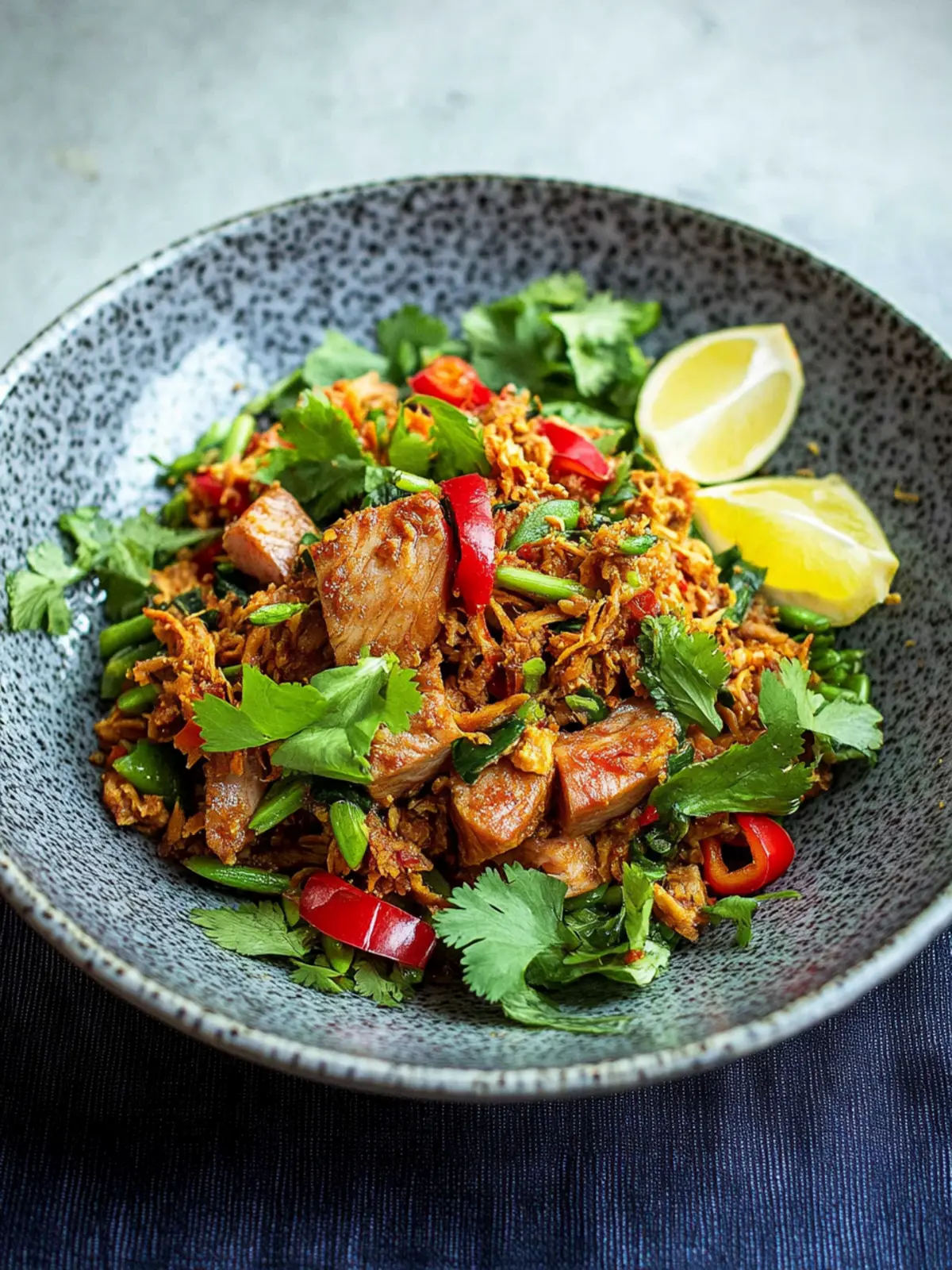
Hot Thai Tuna Recipe FAQs
What type of tuna is best for Hot Thai Tuna?
I recommend using canned tuna that’s packed in water for a lighter option, but tuna packed in oil works well, too. Just adjust the quantity of neutral oil you use in the recipe—3 tablespoons for water-packed and 2 tablespoons for oil-packed tuna. You can also consider using fresh tuna, but that would require different cooking methods and timing.
How should I store leftover Hot Thai Tuna?
Store any leftovers in an airtight container in the refrigerator for up to 3 days. When you reheat it, make sure to do so gently over medium heat, adding in a splash of water if it seems dry. This lifts the flavor and keeps it moist!
Can I freeze Hot Thai Tuna, and how do I do it?
Absolutely! To freeze your Hot Thai Tuna, place it in a tight-lidded container, and it will last for up to 2 months. For best results, thaw it overnight in the refrigerator before reheating. Warm it slowly over low heat in a skillet, adding a tiny splash of water if it looks a bit dry upon reheating. This process will maintain flavor and texture.
What should I do if my dish looks too dry while cooking?
Don’t worry! If your Hot Thai Tuna looks a bit dry during cooking, simply add a small splash of water or a bit more oil as needed. Stir well to incorporate and adjust the consistency. It should be moist but not watery, achieving that mouthwatering, crumbly texture!
Can I adjust the spiciness of the dish?
Absolutely! If you’re sensitive to heat, start with fewer chilies or use milder varieties. You can always add a bit more at the end or serve with extra chili flakes on the side. The beauty of cooking is tweaking it to suit your taste!
Is this dish suitable for pets or allergy-sensitive individuals?
Hot Thai Tuna is not suitable for pets due to the fish sauce and certain spices used. Also, be cautious if you or someone you’re serving has allergies to seafood or shellfish, as the recipe does contain fermented shrimp paste. Always check ingredient labels if you’re unsure!
These tips will help you enjoy your Hot Thai Tuna to the fullest while ensuring it’s safely stored and enjoyed!
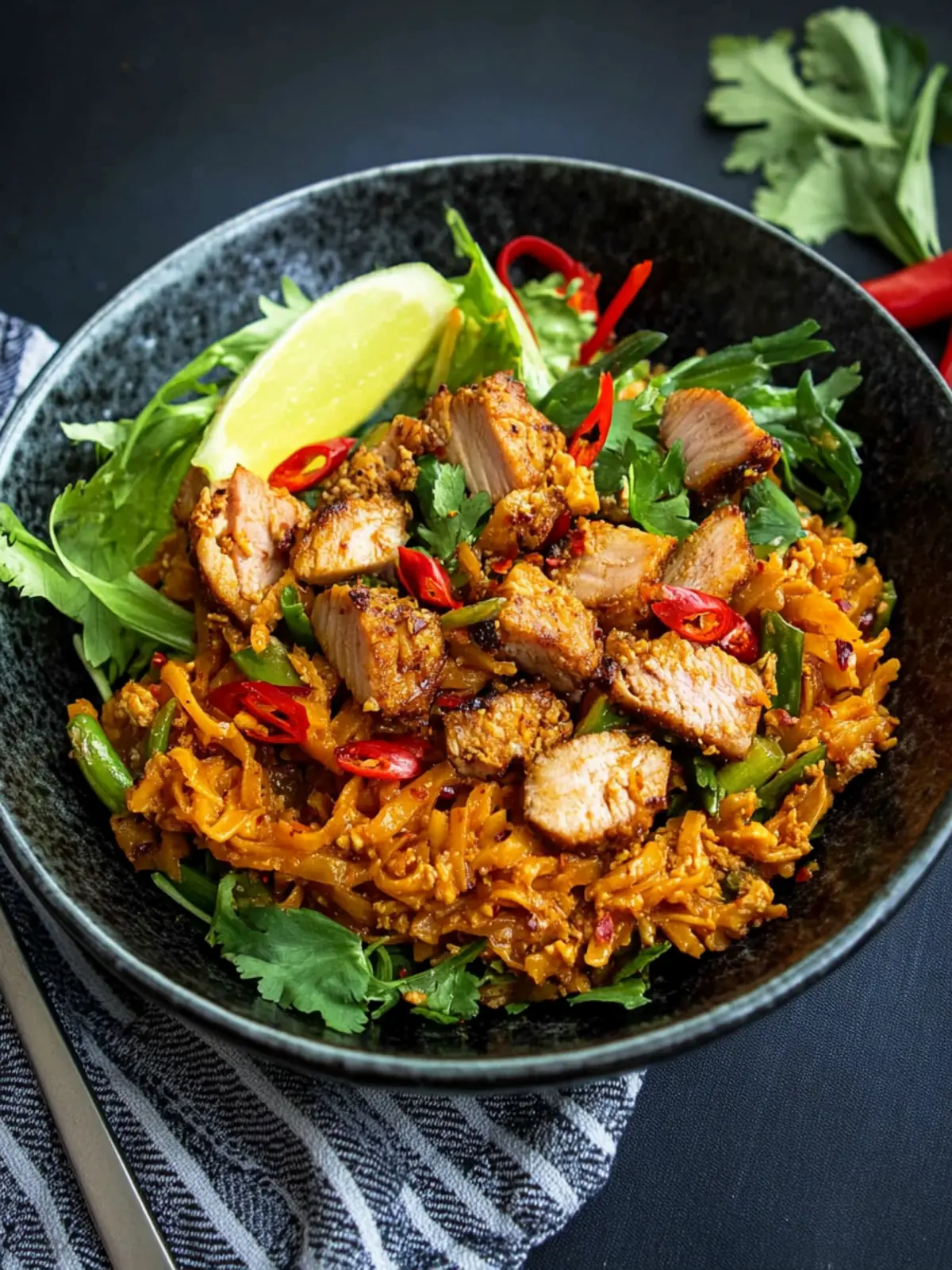
Savor Hot Thai Tuna Stir-Fry in Red Curry Bliss
Ingredients
Equipment
Method
- Using a mortar and pestle, grind the black peppercorns until fine. Add the sliced turmeric and continue grinding into a smooth paste. Incorporate the red curry paste and shrimp paste, mixing well.
- If your tuna is packed in water, pour 3 tablespoons of neutral oil into a heated wok. If it’s packed in oil, use just 2 tablespoons. Add the curry paste mixture and sauté for about 2 minutes over medium heat until aromatic.
- Next, add the finely chopped palm sugar to the wok and stir until completely dissolved. If necessary, splash in a bit of water to loosen the paste; it should be moist but not watery.
- Now, include the drained tuna in the wok and mix well to ensure it is evenly coated with the curry paste. Continue stirring until the mixture becomes dry and crumbly, which should take just a few minutes.
- Once the tuna is cooked through, add the sliced lemongrass, julienned lime leaves, and chilies if you like some heat. Gently toss to combine everything and then turn off the heat.
- Finally, taste your dish and add fish sauce as needed, adjusting to your preference. If desired, toss in fresh cilantro just before serving for a pop of color and flavor.