
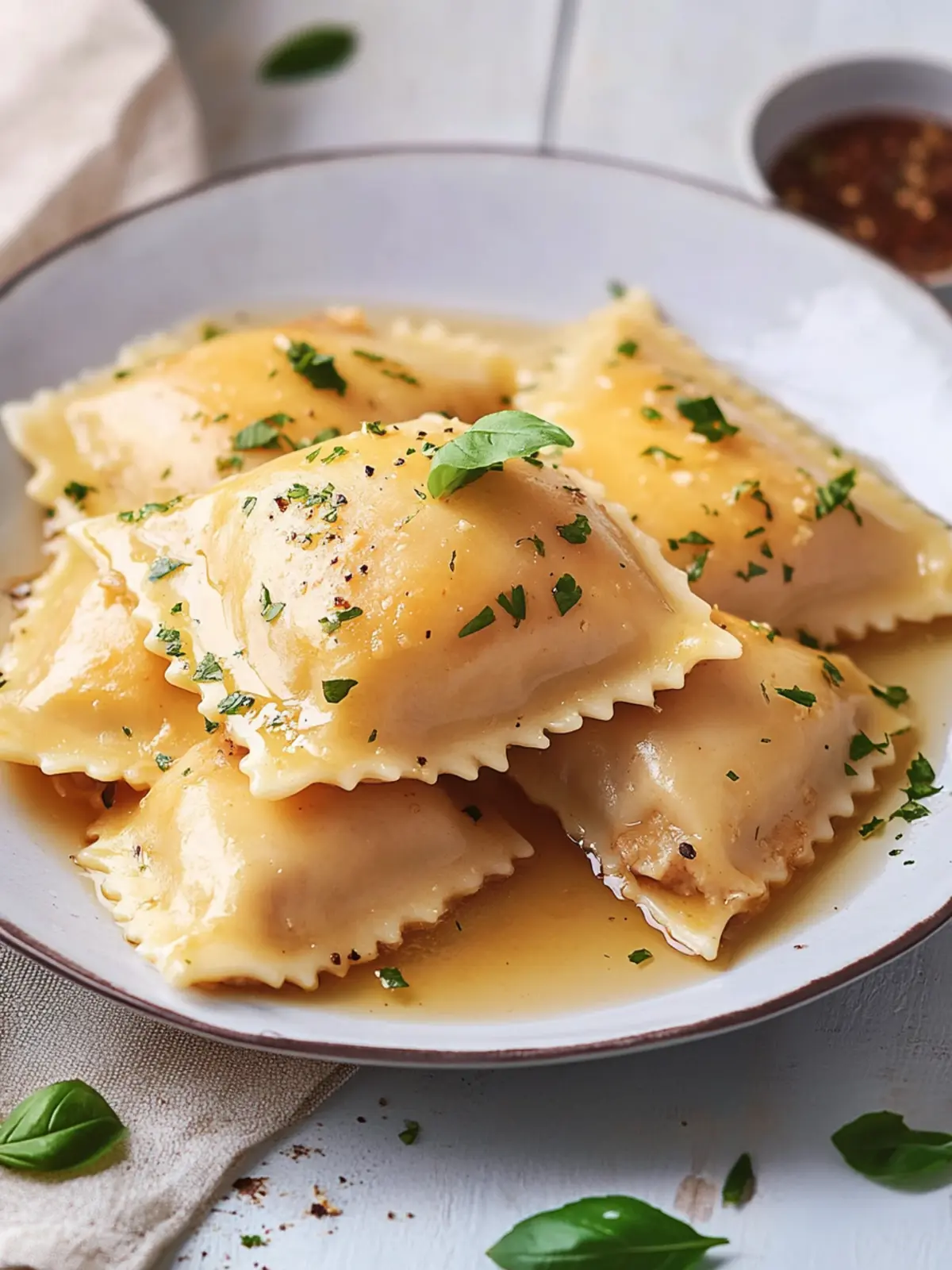
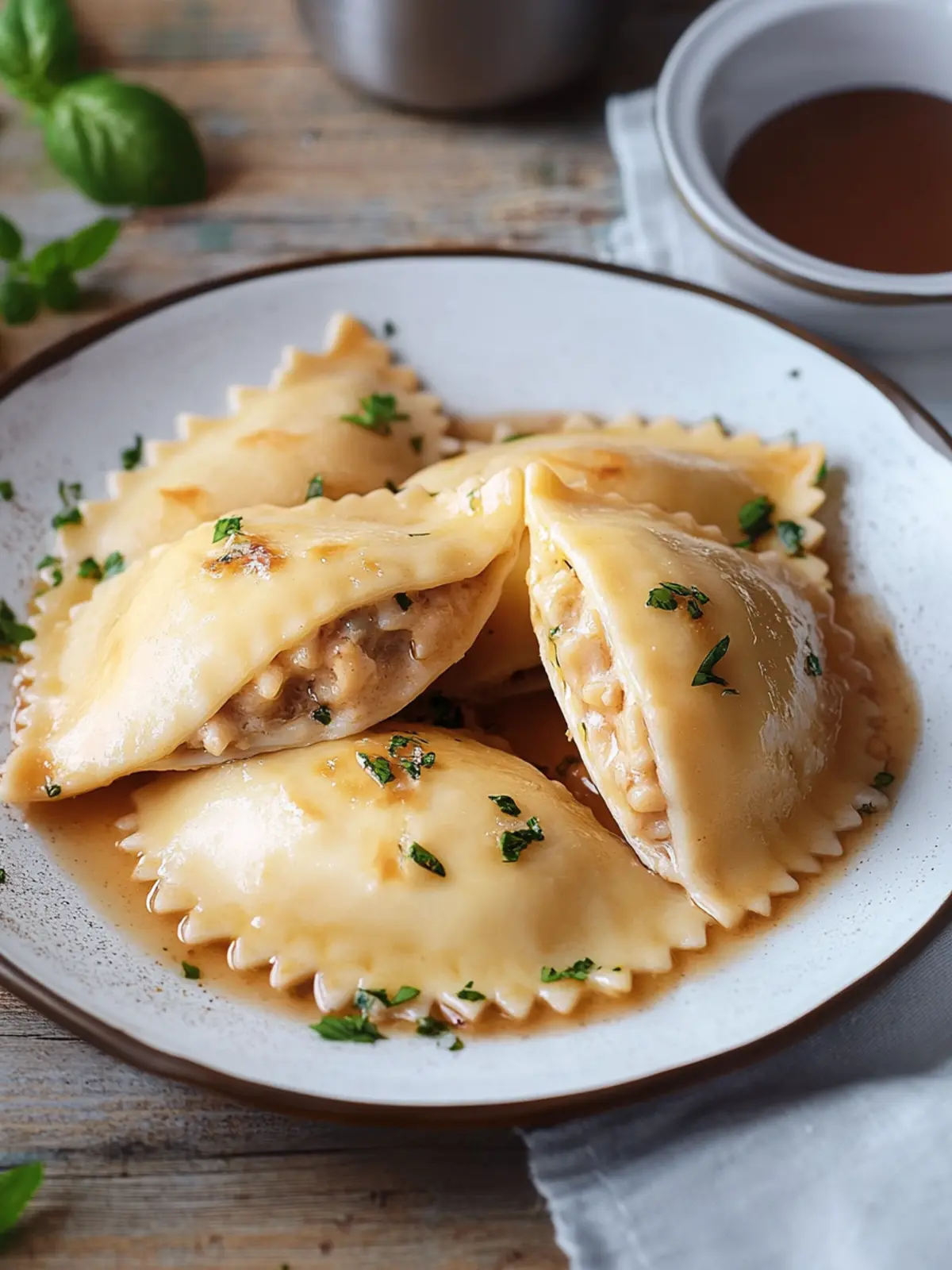
As the first chill of autumn settles in, there’s nothing quite like the comfort of a warm, hearty meal. One evening, while rummaging through my pantry, I discovered the ingredients to make German Maultaschen—those delightful stuffed pasta pockets that quickly became a family favorite. These little gems, filled with savory minced meat and fresh spinach, embody the essence of cozy home cooking. Whether they’re lovingly simmered in rich broth or pan-fried to a crispy perfection, Maultaschen serve as a warm embrace after a long day. Ideal for gatherings with loved ones, or simply as a satisfying weeknight dinner, this recipe transforms simple ingredients into a comforting masterpiece. Join me on this culinary journey to bring a taste of Germany into your kitchen!
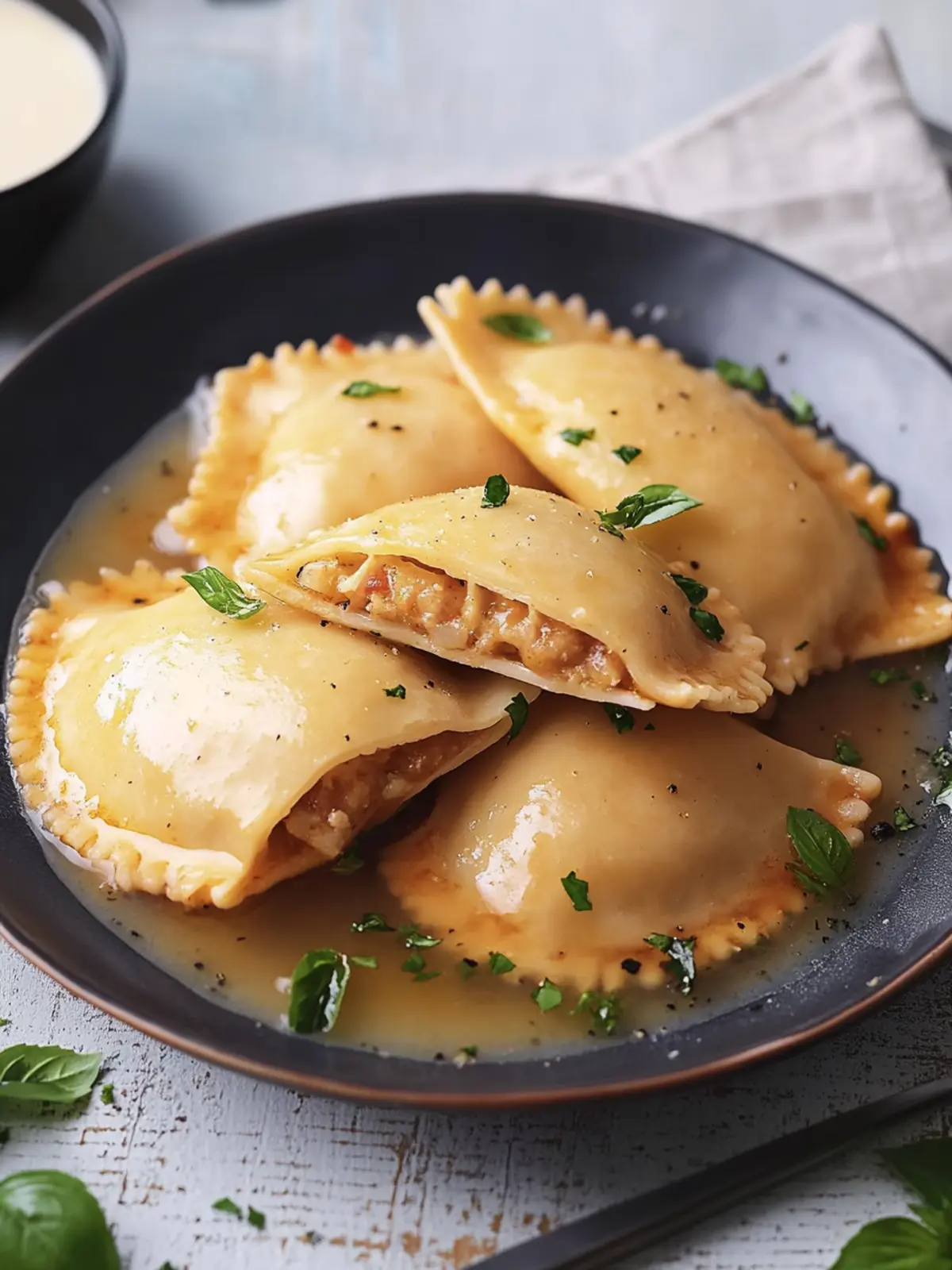
Why Will You Love Stuffed Pasta Pockets?
Simplicity at its finest: This recipe requires just a few basic ingredients, making it accessible for beginners and home chefs alike.
Hearty Flavor: The combination of savory ground meat and fresh spinach creates a bold taste that warms the heart.
Versatility: Customize your filling or cooking method—whether in broth or pan-fried, you can’t go wrong!
Crowd-Pleaser: Perfect for gatherings, these stuffed pasta pockets are bound to impress friends and family alike.
Make Ahead: Prepare a large batch and freeze them for effortless weeknight meals—simply reheat and enjoy!
Discover more comforting dishes in our collection, and savor the joy of homemade meals!
Stuffed Pasta Pockets Ingredients
For the Dough
• All-Purpose Flour – Provides structure to the pasta dough; substitute with gluten-free flour for a gluten-free option.
• Large Eggs (3) – Binds the dough and adds richness; can replace with flax eggs for vegan versions.
• Water (1 tbsp) – Helps in dough consistency; use additional eggs instead of water for a richer dough.
• Salt (½ tsp) – Enhances flavor in both dough and filling; avoid if making a low-sodium dish.
For the Filling
• Ground Pork or Beef (200g) – The main protein in the filling; substitute with ground chicken or turkey for a leaner option.
• Fresh Spinach (150g) – Adds nutrition and color; substitute with kale or Swiss chard if needed.
• Stale Bread (100g) – Acts as a binder in the filling for moisture; use gluten-free bread for a gluten-free variation.
• Small Onion (1) – Adds sweetness and flavor; green onions can be a milder substitute.
• Garlic Clove (1) – Infuses the filling with aroma and depth; garlic powder can be used as a substitute.
• Egg (1) – Binds filling ingredients together; omit for vegan versions, but the texture might change.
• Mustard (1 tsp) – Offers a hint of tanginess; optional; omit if preferred.
• Dried Marjoram (1 tsp) – Enhances the flavor profile with herbal notes; other dried herbs like thyme can work as a substitute.
• Nutmeg (½ tsp) – Adds warmth and depth to the filling’s flavor; cinnamon can be used in a pinch.
• Black Pepper & Salt – Season to taste for flavor enhancement; tailor according to dietary needs.
For Cooking & Serving
• Vegetable or Beef Broth (2 L) – The cooking medium for Maultaschen; use a rich stock or water for a lighter option.
• Butter or Oil – For optional pan-frying, creating a crispy exterior.
• Fresh Parsley – For garnish and added freshness.
With these ingredients at hand, you’re on your way to creating delicious stuffed pasta pockets that are sure to impress!
How to Make Stuffed Pasta Pockets
-
Prepare Dough: In a large bowl, combine all-purpose flour, eggs, water, and salt. Mix until the dough comes together, then knead for about 10 minutes until smooth and elastic. Cover and let it rest for 30 minutes at room temperature.
-
Mix Filling: In another bowl, combine ground pork or beef, fresh spinach, soaked stale bread, chopped onion, minced garlic, one egg, mustard, marjoram, nutmeg, and a pinch of salt and pepper. Mix thoroughly until well combined.
-
Roll Out Dough: On a well-floured surface, roll out the rested dough to about 2mm thickness. Cut into rectangles approximately 10×12 cm in size using a sharp knife or pasta cutter.
-
Assemble Maultaschen: Take a rectangle of dough, place a spoonful of filling in the center, fold over to create a pocket, and seal the edges using a fork to ensure no filling escapes during cooking.
-
Cook in Broth: In a pot, bring vegetable or beef broth to a gentle simmer. Carefully add the Maultaschen and let them simmer for 12-15 minutes until the pasta is tender and the filling is cooked through.
-
Optional Pan-Frying: Once cooked, gently pat the Maultaschen dry. Heat butter or oil in a skillet over medium heat, add the Maultaschen, and fry until golden and crispy on both sides.
-
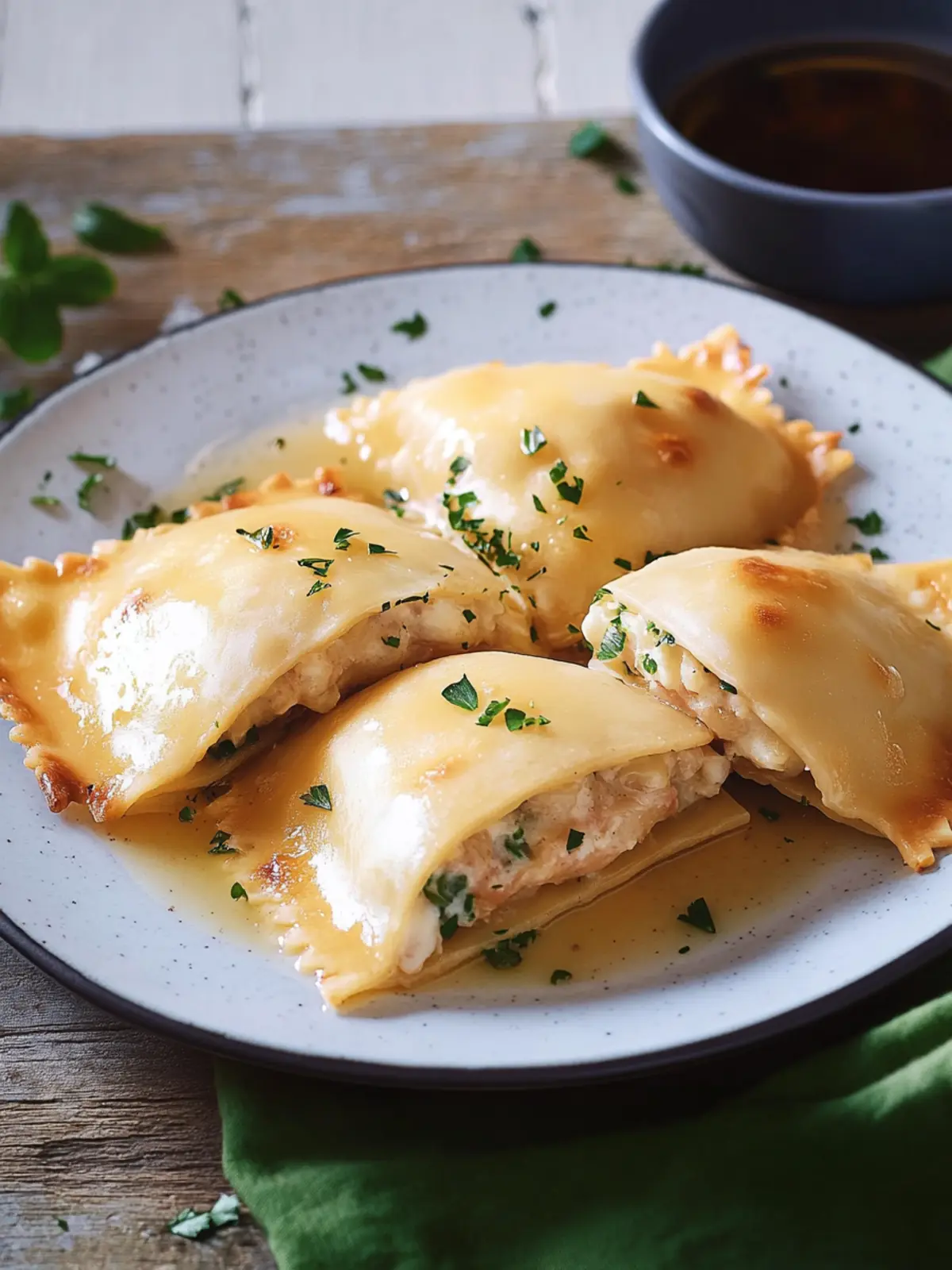
Serve: Serve the warm Maultaschen in bowls with a ladle of broth or pan-fried, garnished with fresh parsley alongside a crisp salad.
Optional: Drizzle with browned butter for an extra layer of flavor.
Exact quantities are listed in the recipe card below.
Make Ahead Options
These traditional German Maultaschen are perfect for meal prep, allowing you to enjoy homemade comfort food with minimal fuss on busy nights! You can prepare the pasta dough and filling up to 24 hours in advance; simply store each component separately in the refrigerator to maintain their quality. When ready to cook, assemble the stuffed pasta pockets just before simmering them in the broth for 12-15 minutes. If you want to save even more time, fully prepare the Maultaschen and freeze them for up to 3 months—just cook them straight from the freezer; they may need a couple of extra minutes in the broth. Your family will enjoy these hearty stuffed pasta pockets that are just as delicious as freshly made!
How to Store and Freeze Stuffed Pasta Pockets
Fridge: Store cooked Maultaschen in an airtight container and refrigerate for up to 3 days. Reheat gently in broth or skillet to maintain texture.
Freezer: Freeze uncooked Maultaschen on a baking sheet until firm, then transfer to a freezer bag. They can be kept for up to 3 months.
Reheating: To reheat frozen Maultaschen, cook directly from frozen in simmering broth for about 15-20 minutes. For pan-fried, thaw first, then fry until golden and crispy.
Storing Dough: If you have leftover pasta dough, wrap it tightly and refrigerate for up to 2 days. Let it rest at room temperature for 30 minutes before rolling out again.
Tips for the Best Stuffed Pasta Pockets
-
Dough Thickness: Keep the dough at about 2mm thick to ensure it cooks properly without tearing during simmering.
-
Filling Balance: Avoid overfilling your pasta pockets; too much filling can cause them to burst while cooking. A spoonful is usually just right.
-
Cooking Method: Simmer gently rather than boiling vigorously to prevent the stuffed pasta pockets from breaking apart.
-
Seasoning Check: Always taste your filling before sealing the pockets; adjust seasoning to ensure it’s flavorful from the start.
-
Freezing Tips: If you plan to freeze Maultaschen, fry them slightly before freezing to retain their shape and texture better when reheating.
With these tips, your stuffed pasta pockets will turn out delightful every time!
Stuffed Pasta Pockets Variations
Feel free to put your personal touch on these delightful stuffed pasta pockets for an even more enjoyable meal experience!
-
Gluten-Free: Use a 1:1 gluten-free flour blend to create a deliciously tender dough that everyone can enjoy.
-
Vegan: Instead of eggs, opt for flax eggs and replace meat with lentils or mushrooms for a hearty, plant-based filling.
-
Herb-Infused: Mix in fresh herbs like dill or parsley into your filling for a burst of vibrant flavor that brightens every bite.
-
Cheese Delight: Add ricotta or Gouda to the filling for a creamy twist that melts beautifully inside each pasta pocket.
-
Spicy Kick: Incorporate a pinch of red pepper flakes or chopped jalapeños into the filling to boost the heat and excite the taste buds.
-
Sweet Potato Filling: Swap out the meat for roasted sweet potato and spices for a sweet and savory combination that’s comforting without being heavy.
-
Broth Variations: Experiment with different broths; a homemade chicken or vegetable stock truly elevates the overall flavor of the dish.
-
Savory Sauces: Serve with a drizzle of homemade pesto or a creamy mushroom sauce to take these stuffed pockets to the next level!
These variations will surely help you find the perfect way to enjoy your stuffed pasta pockets, making them a versatile dish for any occasion!
What to Serve with German Maultaschen?
As the comforting aroma of simmered stuffed pasta pockets fills your kitchen, think about what delightful accompaniments could enhance this savory meal.
-
Creamy Mashed Potatoes: Their rich, buttery texture complements the tender Maultaschen beautifully, creating a hearty dish that’s incredibly satisfying.
-
Fresh Green Salad: A crisp salad of mixed greens with a light vinaigrette cuts through the richness, adding a refreshing contrast to the savory flavors.
-
Sautéed Brussels Sprouts: Caramelized on the outside and tender on the inside, they offer a delectable earthy flavor that pairs excellently with the Maultaschen.
-
Roasted Root Vegetables: Sweet and caramelized, these veggies introduce a depth of flavor that enhances the heartiness of the stuffed pasta pockets.
-
German Beer: A crisp, refreshing lager or wheat beer balances the savory notes of the dish, making for a classic pairing that celebrates German cuisine.
-
Apple Strudel: For dessert, this traditional sweet treat brings warmth and spices that beautifully follow the savory richness of the meal.
These pairings not only enhance the meal but also celebrate the essence of hearty comfort food at its finest!
Stuffed Pasta Pockets Recipe FAQs
What kind of flour should I use for the dough?
For the dough, all-purpose flour is typically used to achieve that perfect pasta texture. If you’re looking for a gluten-free option, I recommend substituting with a gluten-free flour blend designed for baking. This will still allow you to enjoy delicious stuffed pasta pockets without the gluten!
How do I know if my ground meat is fresh enough?
Absolutely! When selecting ground meat, look for bright red color and avoid any packages that have dark spots or an off smell. If you’re unsure about freshness, it’s always safer to buy from a trusted butcher or shop that you know practices good hygiene and freshness standards.
How should I store leftover Maultaschen?
You can store cooked Maultaschen in an airtight container in the fridge for up to 3 days. When ready to eat, simply reheat them gently in broth or a skillet over low heat to keep their texture. If you want to ensure they stay moist, a splash of broth can help as you warm them up.
Can I freeze uncooked Maultaschen? If so, how?
Yes, you can freeze uncooked Maultaschen! First, lay them flat on a baking sheet lined with parchment paper to prevent sticking. Freeze until they are firm, then transfer to a freezer bag. They’ll be well-preserved for up to 3 months. To cook from frozen, place them directly into simmering broth for about 15-20 minutes until heated through.
What should I do if my pasta dough is too sticky?
Very! If your dough feels sticky while you’re rolling it out, it’s often a sign that you need a little more flour. Dust your work surface with flour and knead in small amounts until the dough reaches a smooth, elastic consistency. You want the dough to be easy to handle but not overly dry.
Can I use a different type of filling?
Absolutely! Maultaschen are incredibly versatile. You can experiment with fillings such as ricotta and herbs for a lighter vegetarian option or even incorporate different meats or vegetables based on your family’s preferences. The world of stuffed pasta pockets is your oyster!
Savory Stuffed Pasta Pockets: Comfort Food Made Easy
Ingredients
Equipment
Method
- In a large bowl, combine all-purpose flour, eggs, water, and salt. Mix until the dough comes together, then knead for about 10 minutes until smooth and elastic. Cover and let it rest for 30 minutes at room temperature.
- In another bowl, combine ground pork or beef, fresh spinach, soaked stale bread, chopped onion, minced garlic, one egg, mustard, marjoram, nutmeg, and a pinch of salt and pepper. Mix thoroughly until well combined.
- On a well-floured surface, roll out the rested dough to about 2mm thickness. Cut into rectangles approximately 10x12 cm in size using a sharp knife or pasta cutter.
- Take a rectangle of dough, place a spoonful of filling in the center, fold over to create a pocket, and seal the edges using a fork to ensure no filling escapes during cooking.
- In a pot, bring vegetable or beef broth to a gentle simmer. Carefully add the Maultaschen and let them simmer for 12-15 minutes until the pasta is tender and the filling is cooked through.
- Once cooked, gently pat the Maultaschen dry. Heat butter or oil in a skillet over medium heat, add the Maultaschen, and fry until golden and crispy on both sides.
- Serve the warm Maultaschen in bowls with a ladle of broth or pan-fried, garnished with fresh parsley alongside a crisp salad.