
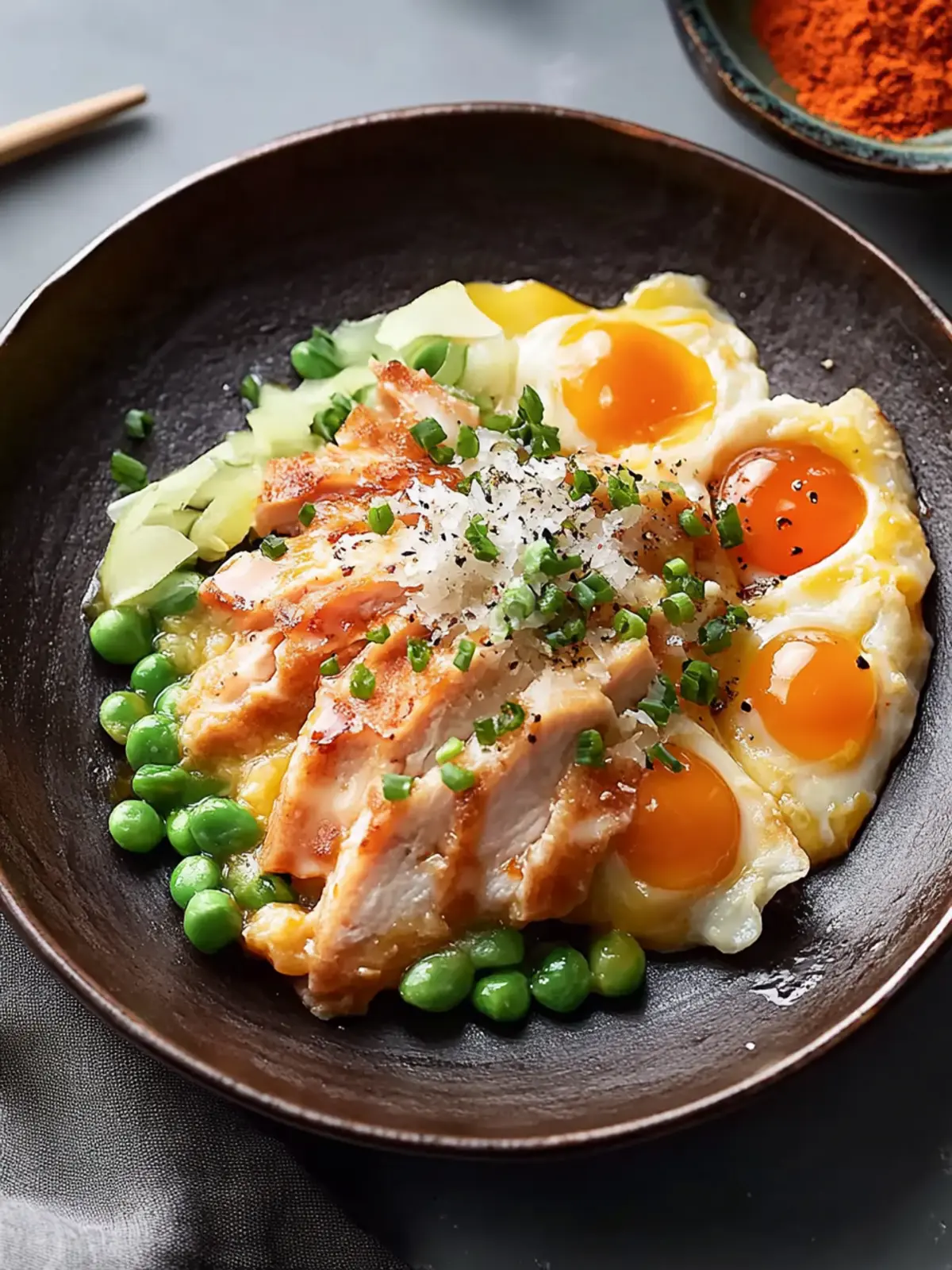
The first time I tasted Japanese Monjayaki, I found myself lost in a delightful mix of textures and flavors that instantly transported me to the lively streets of Tokyo. As the batter sizzled against the hot griddle, the rich aromas of dashi and fresh seafood filled the air, inviting everyone to gather around. This cozy dish is more than just comfort food; it’s an interactive experience where the bubbling batter sets the stage for laughter and connection.
What makes Monjayaki truly special is its versatility; you can easily adapt it with your favorite ingredients, whether it’s tender shrimp, savory pork, or even crunchy veggies. In just a little over half an hour, you can transform a few simple pantry staples into a memorable meal that will leave your taste buds dancing. So grab your spatula and get ready to enjoy this easy-to-make, crowd-pleasing delight that brings a taste of Japan right into your kitchen!

Why will you love Japanese Monjayaki?
Simplicity: This dish is a breeze to make, requiring just a handful of ingredients that you likely already have in your pantry.
Interactive Experience: Gather your loved ones around the griddle and enjoy the fun of cooking together. Each person can customize their Monjayaki with their favorite toppings.
Rich, Savory Flavor: The combination of dashi broth, fresh seafood, and crispy veggies creates a taste explosion you won’t forget.
Versatile Option: Feel free to swap in your preferred proteins or vegetables, making it adaptable for any palate.
Crowd-Pleaser: Whether hosting friends or enjoying a quiet night in, this dish guarantees smiles and satisfaction.
For more exciting ideas on how to elevate your homemade meals, check out our guide on Japanese comfort foods.
Japanese Monjayaki Ingredients
• Get ready to create a delicious meal!
For the Batter
- All-purpose flour – 120 g (1 cup) gives the Monjayaki its satisfying texture.
- Dashi broth – 360 ml (1.5 cups) adds an umami depth; opt for homemade or instant based on time.
- Cold water – 120 ml (0.5 cup) helps achieve a smooth batter consistency.
For the Filling
- Finely chopped cabbage – 150 g (2 cups) adds crunch and freshness to your dish.
- Chopped green onions – 4 tbsp enhance flavor and provide a delightful pop of color.
- Thinly sliced shrimp, squid, or pork – 120 g (0.5 cup) introduces protein and richness to every bite.
- Tenkasu (tempura bits) – 60 ml (0.25 cup), optional for an extra layer of crispiness.
- Cubed mochi – 60 ml (0.25 cup), optional for a chewy texture that contrasts beautifully with the batter.
For Seasoning
- Soy sauce – 30 ml (2 tbsp) adds savory notes; low-sodium is preferred for a healthier option.
- Pickled ginger (beni shoga) – 30 ml (2 tbsp), optional for a tangy kick that complements the dish perfectly.
How to Make Japanese Monjayaki
-
Whisk Together: In a mixing bowl, combine all-purpose flour, dashi broth, and cold water. Whisk until smooth; the batter should be thinner than pancake batter for that perfect texture.
-
Combine Ingredients: Gently stir in finely chopped cabbage, green onions, and your choice of seafood or pork. If you like a little crunch, add tenkasu or mochi to the mix.
-
Heat the Griddle: Warm a non-stick griddle or skillet over medium heat. Lightly oil the surface to prevent sticking, ensuring a lovely crispiness.
-
Pour & Cook: Pour a portion of the batter onto the hot griddle and spread it into a rustic circle. Cook until the edges bubble and crisp up, while the center remains gooey, stirring occasionally.
-
Drizzle Soy Sauce: Enhance the flavors by drizzling soy sauce over the cooking batter. This adds a rich aroma and depth to your Monjayaki.
-
Serve & Enjoy: Use a small spatula or spoon to enjoy your Monjayaki straight from the griddle. Gather around and share this delightful dish with friends or family.
Optional: Garnish with extra green onions for added freshness.
Exact quantities are listed in the recipe card below.
How to Store and Freeze Japanese Monjayaki
Fridge: Store leftover Monjayaki in an airtight container for up to 3 days. It’s best enjoyed fresh, but you can still reheat it for a quick meal.
Freezer: If you want to freeze Monjayaki, wrap individual portions tightly in plastic wrap and then place them in a freezer bag. They can last for up to 1 month.
Reheating: To reheat, simply thaw in the fridge overnight and warm on a non-stick skillet over medium heat until heated through. This brings back its lovely textures!
Storage Tips: For best results, avoid stacking layers to prevent sticking, and remember, the flavors of the Japanese Monjayaki improve when shared fresh from the griddle!
What to Serve with Japanese Monjayaki?
To create a truly memorable meal, pair your delightful Monjayaki with flavors that will dance on your palate.
-
Crispy Tempura Vegetables: Lightly battered and fried, these add a crunchy contrast and a touch of umami that beautifully complements the creamy Monjayaki.
-
Miso Soup: A warm bowl of this comforting soup balances the richness of Monjayaki with its savory, earthy flavors, perfect for dipping your fork or spoon.
-
Pickled Vegetables (Tsukemono): The tangy bite of these pickles cleanses the palate while enhancing the overall experience with vibrant flavors. Serve a colorful assortment for added appeal.
-
Steamed Rice: Simple yet satisfying, this staple absorbs any extra sauce and flavors, making each bite of Monjayaki even more delightful.
-
Edamame with Sea Salt: These tender, salty pods make for a light, nutritious snack that complements your main dish with a lovely contrast in texture.
-
Sake or Japanese Beer: Pour a glass of chilled sake or a refreshing Japanese beer to elevate your meal; the flavors meld splendidly with the dish’s savory essence.
-
Fresh Salad with Citrus Dressing: A light salad featuring crunchy greens and a bright citrusy dressing provides a refreshing crunch, balancing the Monjayaki’s rich flavors beautifully.
-
Fried Sweet Potato: Their sweet, caramelized edges and soft centers offer a delightful contrast to the savory batter, creating a harmonious blend of tastes.
-
Matcha Ice Cream: End your meal on a sweet note with this creamy, earthy dessert; its unique flavor pairs beautifully with the richness of Monjayaki.
Each of these options adds its own unique touch, making your dinner a delightful feast that truly celebrates the flavors of Japanese cuisine.
Japanese Monjayaki Variations
Feel free to jazz up your Monjayaki with these delightful twists that will make your family come back for more!
- Veggie Delight: Swap in extra vegetables like mushrooms, bell peppers, or zucchini for a colorful, nutritious twist.
- Spicy Kick: Add a teaspoon of chili paste or finely chopped jalapeños to the batter for an exciting heat. The warmth will awaken your senses and complement the savory flavors.
- Gluten-Free: Use a gluten-free flour blend instead of all-purpose flour to accommodate dietary needs without sacrificing taste.
- Cheesy Goodness: Stir in shredded cheese of your choice, like mozzarella or cheddar, for a rich, melty texture. It’s an unexpected twist that will have cheese lovers rejoicing.
- Seafood Medley: Combine shrimp, squid, and scallops for an ocean-inspired Monjayaki that highlights a variety of flavors. This seafood medley is sure to impress.
- Herb Infusion: Fresh herbs like cilantro or basil can be added into the batter for a delightful fragrance and a bright finish.
- Sweet Touch: For a dessert version, incorporate chocolate chips or sweetened red bean paste into the batter for a unique sweet-tooth treat.
- Mochi Mash-Up: Mix in various types of mochi, such as sweet potato or matcha-flavored, to create a fun and chewy texture that contrasts beautifully with the crispy batter.
Make Ahead Options
Japanese Monjayaki is perfect for meal prep enthusiasts! You can prepare the batter by whisking together the flour, dashi broth, and cold water up to 24 hours in advance; just keep it refrigerated in an airtight container to maintain its smooth consistency. Additionally, you can chop the cabbage and green onions, and slice your proteins ahead of time, storing them in separate containers in the fridge for up to 3 days. When you’re ready to enjoy your Monjayaki, simply mix the ingredients, cook on a non-stick griddle, and drizzle with soy sauce for that rich flavor. This way, you can savor the authentic taste of Japanese Monjayaki on even the busiest weeknights with minimal effort!
Expert Tips for Japanese Monjayaki
-
Batter Consistency: Ensure the batter is thinner than pancake batter for that signature gooey center and crispy edges.
-
Ingredient Flexibility: Don’t hesitate to mix in your favorite proteins like chicken or tofu, or load up on seasonal veggies for a personal touch.
-
Cooking Temperature: Keep the heat at medium to avoid burning the outside while ensuring the inside remains gooey.
-
Stirring Technique: Stir occasionally while cooking to achieve a delightful mix of textures, ensuring nothing sticks to the griddle.
-
Flavor Boosts: Experiment with additional toppings like cheese or spicy sauces for a unique twist on traditional Monjayaki.
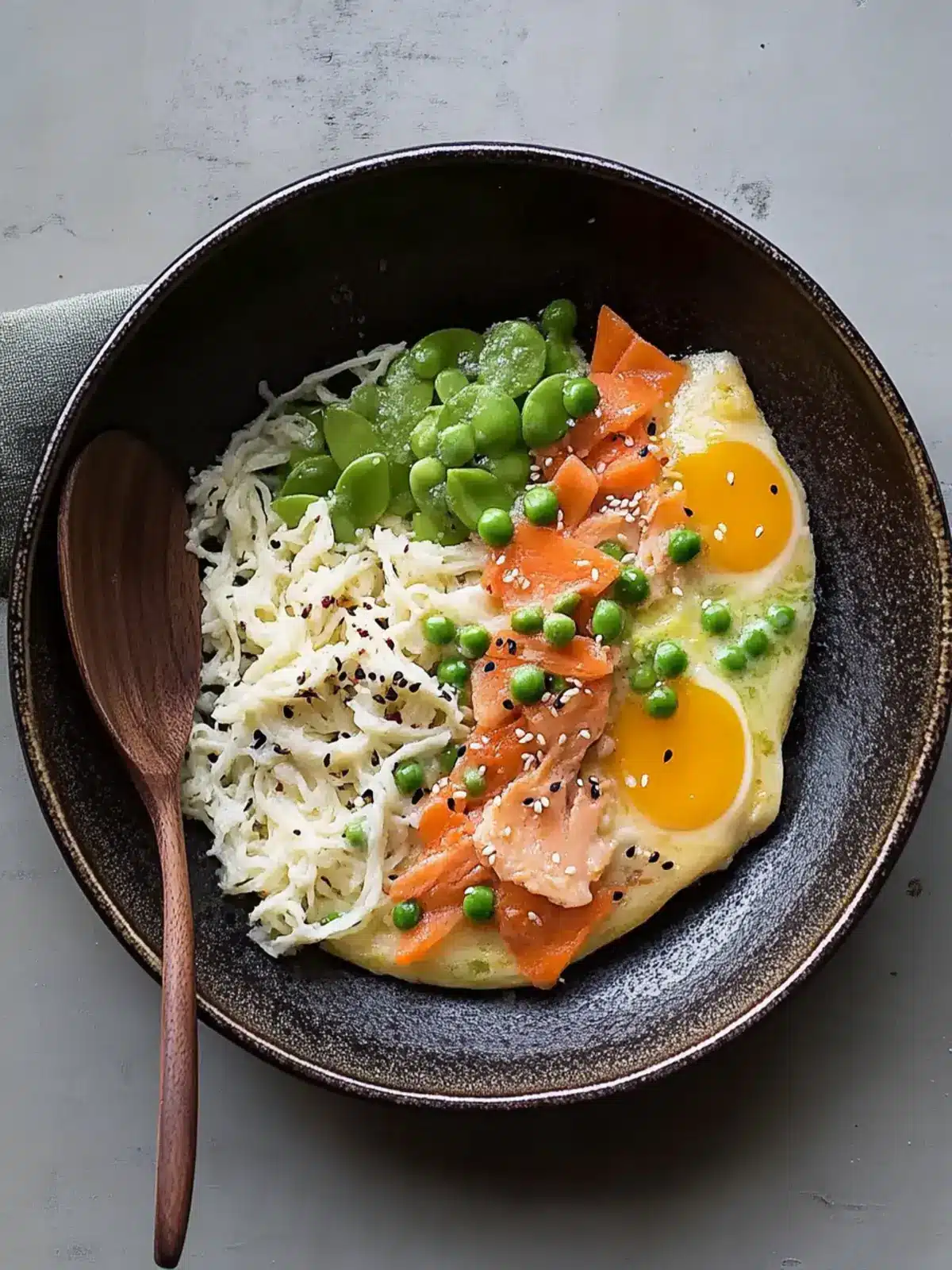
Japanese Monjayaki Recipe FAQs
What is the best way to select ripe ingredients for Japanese Monjayaki?
Absolutely! When choosing your vegetables, opt for cabbage that’s crisp and bright. Avoid any with dark spots or wilting, as they may not deliver the best flavor or texture. Green onions should be firm and vibrant. If you’re using seafood, make sure it has a fresh ocean scent—firm and clear, not dull or fishy.
How should I store leftovers of Japanese Monjayaki?
To keep your leftovers fresh, place the Monjayaki in an airtight container in the fridge for up to 3 days. If you plan to save it for a longer period, it’s best to freeze it. Just be sure to reheat thoroughly to enjoy the delightful textures again!
Can I freeze Japanese Monjayaki? If so, how?
Yes, you can freeze it! For best results, wrap each portion tightly in plastic wrap and then place them in a freezer bag, squeezing out as much air as possible. This method helps preserve its delicious flavors and textures for up to 1 month. When you’re ready to enjoy, thaw it in the fridge overnight, then warm it gently on a skillet.
What should I do if my batter is too thick?
If you find your batter is thicker than expected, don’t worry! Simply add a bit more dashi broth or cold water until it reaches a thinner consistency, akin to pancake batter. This adjustment is crucial for achieving that lovely gooey center that Monjayaki is known for. Mix well to incorporate the added liquid thoroughly.
Are there any dietary considerations for Japanese Monjayaki?
Very! If you have allergies, consider what proteins and vegetables you’re adding—common allergens include shellfish and wheat. For a gluten-free version, you can use a gluten-free flour blend in place of all-purpose flour. Always double-check any sauces, like soy sauce, to ensure they meet your dietary needs.
How can I enhance the flavor of my Japanese Monjayaki?
For a flavorful twist, consider adding additional toppings like cheese or spicy sauces. You can even mix in different proteins or veggies depending on what’s in season or what you have on hand. The more the merrier—customizing to your palate will lead to a delightful experience!
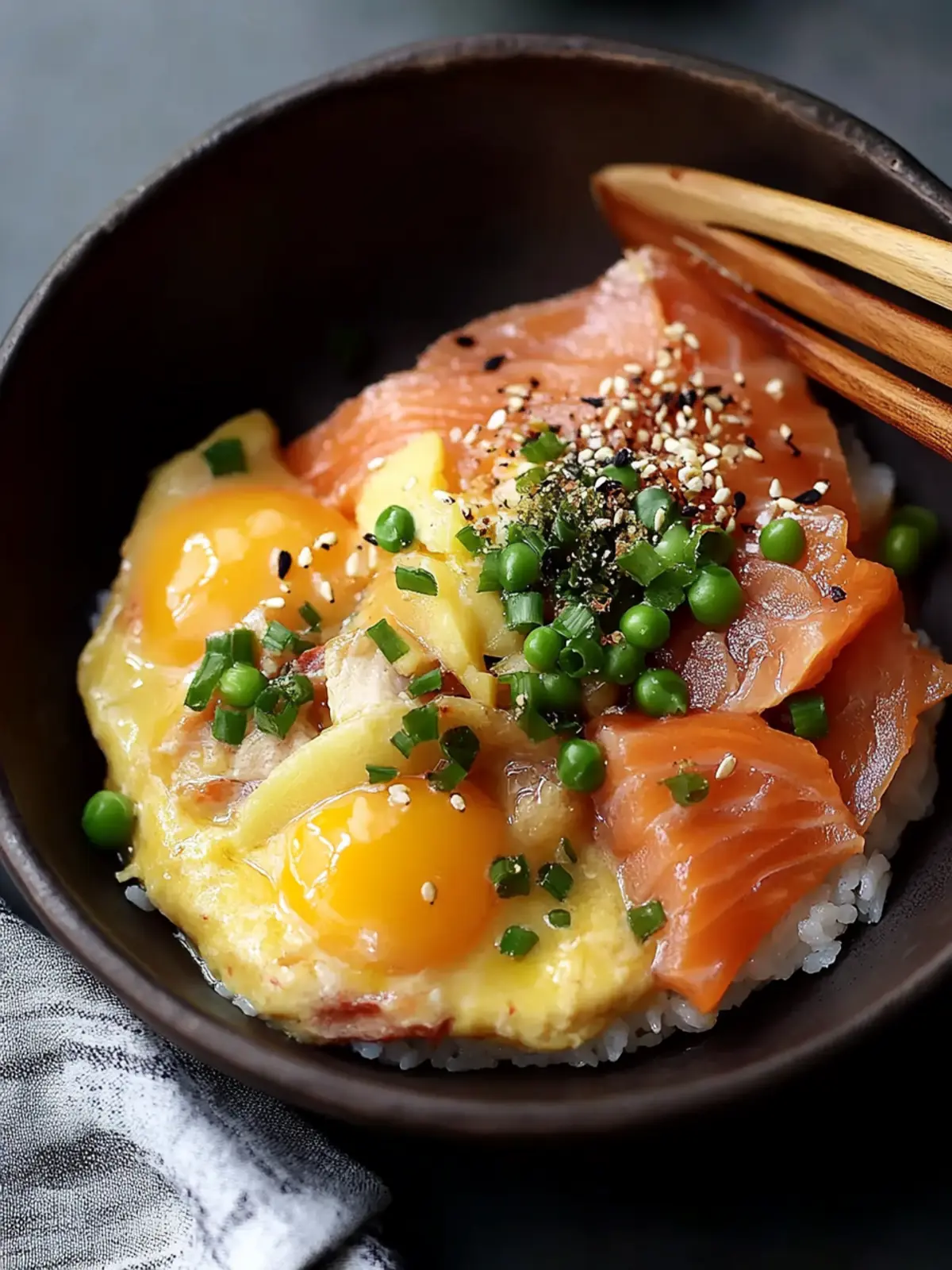
Savor Authentic Japanese Monjayaki: A Crispy Delight at Home
Ingredients
Equipment
Method
- In a mixing bowl, combine all-purpose flour, dashi broth, and cold water. Whisk until smooth; the batter should be thinner than pancake batter for that perfect texture.
- Gently stir in finely chopped cabbage, green onions, and your choice of seafood or pork. If you like a little crunch, add tenkasu or mochi to the mix.
- Warm a non-stick griddle or skillet over medium heat. Lightly oil the surface to prevent sticking, ensuring a lovely crispiness.
- Pour a portion of the batter onto the hot griddle and spread it into a rustic circle. Cook until the edges bubble and crisp up, while the center remains gooey, stirring occasionally.
- Enhance the flavors by drizzling soy sauce over the cooking batter. This adds a rich aroma and depth to your Monjayaki.
- Use a small spatula or spoon to enjoy your Monjayaki straight from the griddle. Gather around and share this delightful dish with friends or family.