

There’s a certain charm in the interplay of flavors that happens when creamy goat cheese meets fragrant pesto. One evening, as the golden light of the setting sun streamed through my kitchen window, I found myself yearning for a quick yet satisfying dinner that would transport me to the breezy Italian countryside. That’s when I whipped up this incredible Pesto Goat Cheese Pasta—a dish that not only tantalizes the taste buds but also caters to the convenience-seeking home cook.
Imagine the satisfying texture of al dente pasta embraced by the silky richness of melted goat cheese and the herbaceous notes of basil pesto. This recipe is easily customizable; you can toss in fresh vegetables or proteins to make it your own. In just 30 minutes, you can serve up a meal that feels indulgent yet remains uncomplicated enough for weeknight cooking. Ready to elevate your dinner game? Let’s dive in!
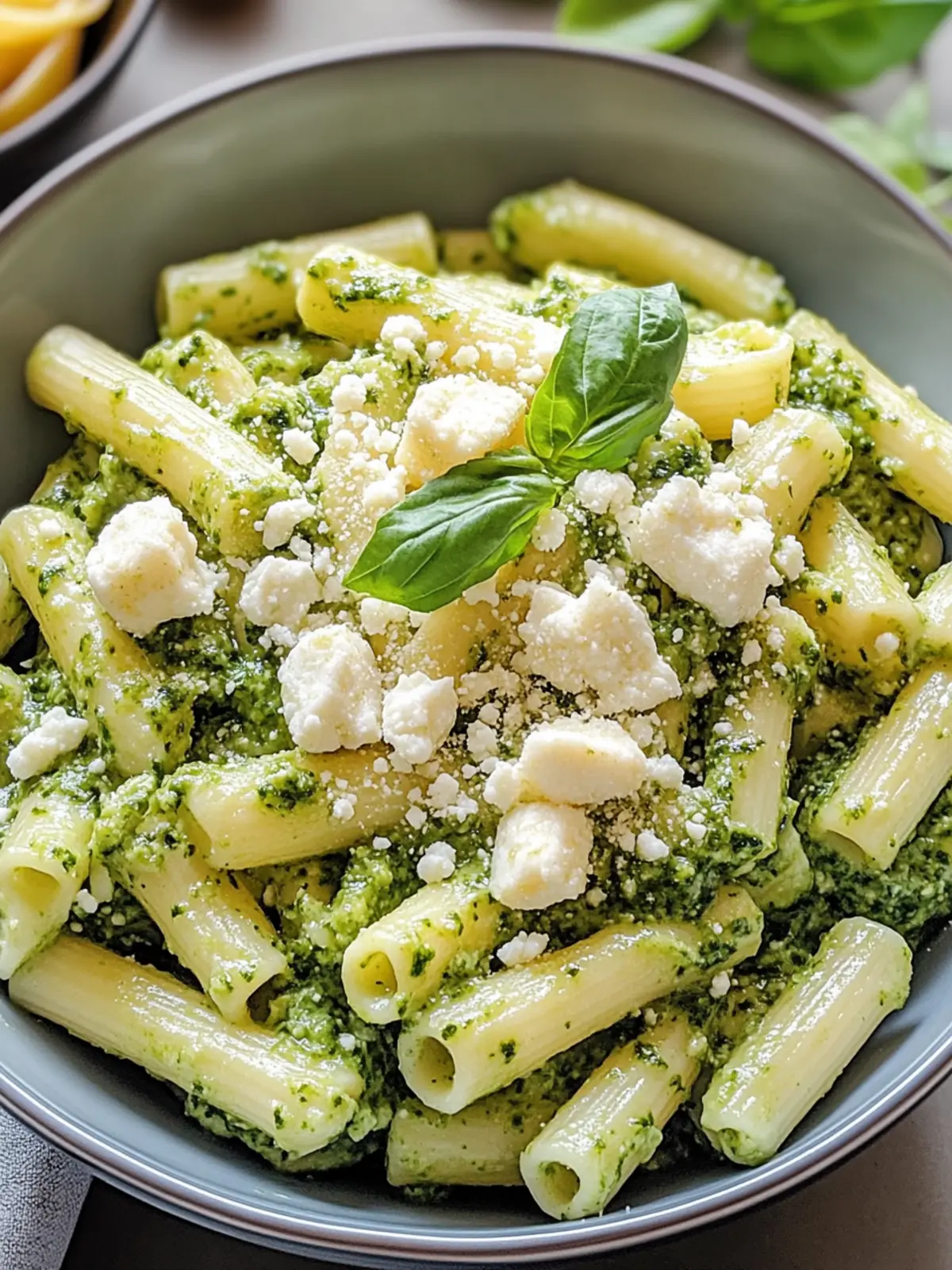
Why is Pesto Goat Cheese Pasta a Game Changer?
Simplicity Meets Elegance: This recipe requires minimal effort, making it perfect for busy weeknights or spontaneous get-togethers.
Flavor Explosion: The creamy goat cheese melds with vibrant pesto, creating a dish bursting with exquisite flavors.
Versatile and Customizable: Feel free to add your favorite veggies or proteins to customize it to your taste!
Quick to Make: In just 30 minutes, you can enjoy a gourmet meal without the fuss.
Crowd-Pleasing Appeal: Whether it’s a family dinner or a gathering with friends, this dish is sure to impress everyone at the table.
Pesto Goat Cheese Pasta Ingredients
• Here’s what you’ll need to create this delightful dish:
For the Pasta
- 12 oz pasta – Use your favorite type for a personal touch; penne or fusilli work great!
For the Sauce
- 4 oz goat cheese – This creamy cheese adds a luxurious flavor that pairs perfectly with the pesto.
- 1/2 cup pesto – Opt for homemade or store-bought to save time while ensuring rich basil flavor.
- 1 tbsp olive oil – Adds a touch of healthy fat and helps sauté the garlic to perfection.
- 2 cloves garlic, minced – Fresh garlic infuses the dish with aromatic goodness.
- Salt and pepper to taste – Season to enhance the overall flavors.
For the Toppings
- 1/4 cup toasted pine nuts – These add a delightful crunch and nutty flavor that complements the creaminess.
- 1/4 cup grated Parmesan cheese – Elevate your dish with extra richness and depth.
- 1 tbsp fresh lemon juice (optional) – A splash of acidity brightens everything up—especially if you like a zing!
- Fresh basil or parsley for garnish – A sprinkle of greenery makes for a beautiful presentation.
Now that you have all the ingredients for your Pesto Goat Cheese Pasta, let’s move on to the cooking magic!
How to Make Pesto Goat Cheese Pasta
-
Cook the Pasta: Begin by boiling a large pot of salted water. Add the pasta and cook according to the package instructions until al dente. Remember to reserve about 1/2 cup of that pasta water just before draining!
-
Sauté the Garlic: In a large skillet, heat the olive oil over medium heat. Once hot, add the minced garlic and sauté for 1–2 minutes until fragrant and golden. Watch closely to avoid burning!
-
Combine with Pesto: Stir in the pesto with the garlic in the skillet, blending them together nicely. Continue to cook for an additional 1–2 minutes, allowing the flavors to meld beautifully.
-
Incorporate Goat Cheese: Add the goat cheese into the skillet, gently stirring to melt it into the sauce. If the sauce feels too thick, slowly mix in the reserved pasta water until you achieve your desired creaminess.
-
Toss in the Pasta: Add the drained pasta to the skillet, tossing it well in the pesto-goat cheese sauce until it’s evenly coated. Taste, then adjust seasoning with salt and pepper as needed for flavor perfection.
-
Finish with Toppings: Sprinkle the toasted pine nuts and grated Parmesan cheese over the pasta, tossing gently to combine. If desired, add the fresh lemon juice for that zesty pop!
-
Serve and Garnish: Transfer your delightful pasta to serving plates, finishing with a sprinkle of freshly chopped basil or parsley. Enjoy this comforting dish immediately!
Optional: Serve with a sprinkle of extra Parmesan for added indulgence!
Exact quantities are listed in the recipe card below.
Make Ahead Options
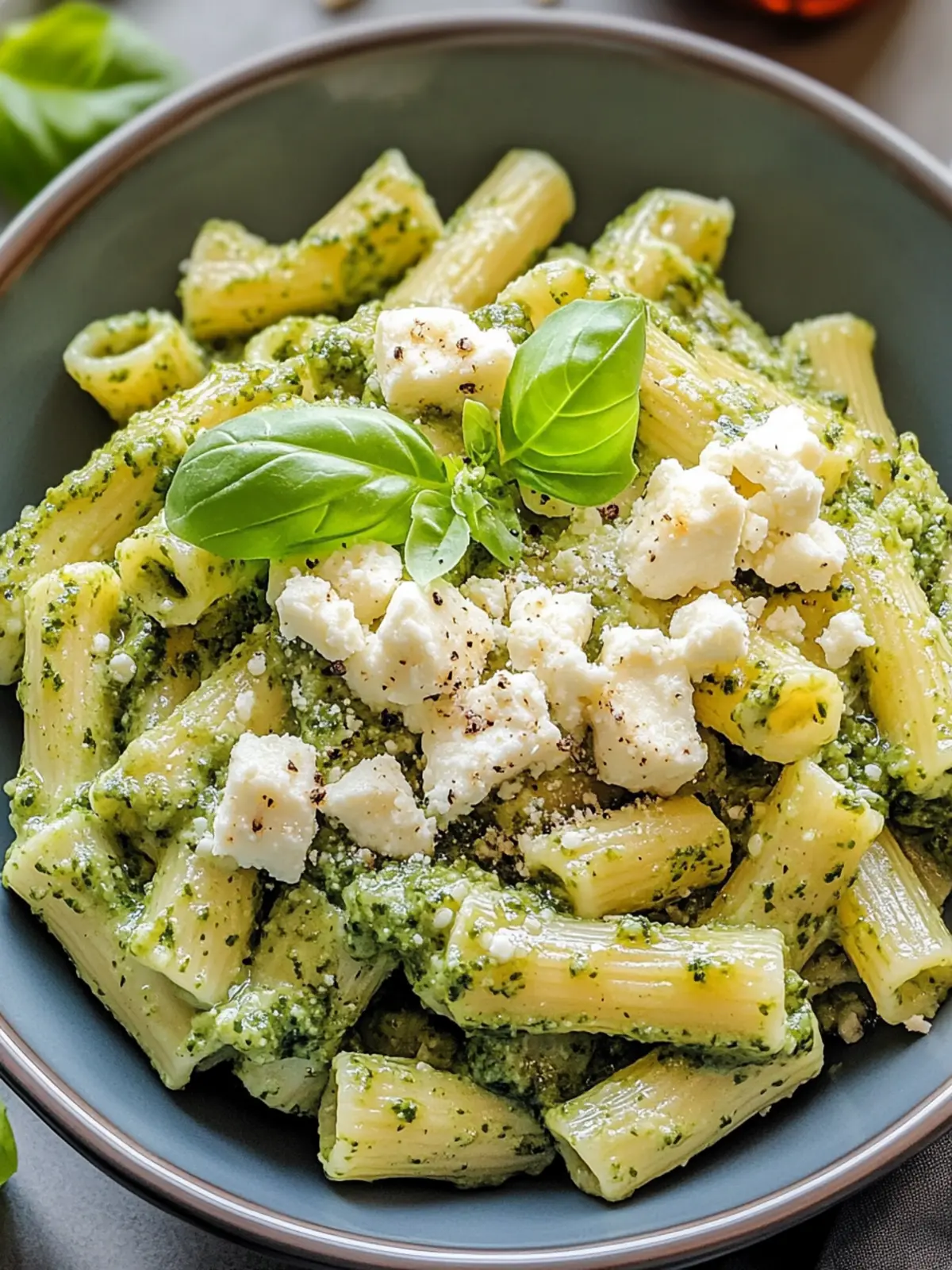
These Pesto Goat Cheese Pasta preparations are fantastic for meal prep enthusiasts seeking time-saving solutions! You can prepare your pasta up to 24 hours in advance—just cook it until al dente, rinse it under cold water, and toss it with a drizzle of olive oil to prevent sticking. The pesto and goat cheese sauce can be mixed and stored in the refrigerator for up to 3 days—this allows the flavors to meld beautifully! When you’re ready to serve, simply reheat the sauce in a skillet, add in your cooked pasta (and any reserved pasta water for creaminess), and finish with toppings like toasted pine nuts and Parmesan. Enjoy gourmet dining with less fuss and ample flavor!
How to Store and Freeze Pesto Goat Cheese Pasta
Fridge: Store any leftover Pesto Goat Cheese Pasta in an airtight container in the fridge for up to 3 days. Reheat gently in the microwave or on the stovetop, adding a splash of water if needed.
Freezer: You can freeze the Pesto Goat Cheese Pasta for up to 2 months. Portion it into freezer-safe containers, ensuring it cools completely before sealing.
Airtight Wrapping: If freezing, consider wrapping individual servings tightly in plastic wrap before placing them in a container to prevent freezer burn.
Reheating: Thaw overnight in the fridge before reheating, and refresh the flavors with a bit of olive oil or additional pesto when warmed!
Pesto Goat Cheese Pasta Variations
Feel free to explore delightful twists that elevate your dish to new heights, creating a personalized touch!
- Vegetable Boost: Add seasonal veggies like spinach, cherry tomatoes, or zucchini for a colorful and nutritious enhancement.
- Protein Power: Stir in grilled chicken, shrimp, or chickpeas to turn this pasta into a hearty, protein-packed meal.
- Lactose-Free: Swap goat cheese for lactose-free cream cheese or a plant-based cheese alternative for a dairy-free option.
- Heat It Up: For a spicy kick, add a pinch of red pepper flakes or diced jalapeños to the skillet while sautéing the garlic.
- Nut-Free: Omit the pine nuts or replace them with sunflower seeds for a delightful crunch without any allergens.
- Herb Variation: Switch up the flavors by adding fresh dill or arugula, creating a fresh herbaceous taste that dances on your palate.
- Whole Grain: Use whole wheat or gluten-free pasta to cater to dietary restrictions while maintaining a delicious recipe.
- Citrus Zest: Enhance the flavor profile by adding a sprinkle of lemon or lime zest before serving for an extra burst of freshness.
What to Serve with Pesto Goat Cheese Pasta?
Imagine the perfect dinner setting where the colors of your plate harmonize beautifully, creating a feast for the senses.
-
Garlicky Breadsticks: These warm, buttery breadsticks make a delectable accompaniment, perfect for soaking up any leftover sauce.
-
Roasted Vegetables: A medley of seasonal veggies adds vibrant colors and textures while offering a healthy, earthy balance to the creamy pasta. The slight char enhances their flavor!
-
Caesar Salad: Crisp romaine, creamy dressing, and crunchy croutons provide a refreshing contrast to the richness of the pasta. It’s a classic combo that never disappoints.
-
Lemon Sorbet: For dessert, a scoop of zesty lemon sorbet cleanses the palate, leaving your taste buds dancing.
-
Chardonnay: A crisp white wine pairs beautifully, the acidity cutting through the richness of the goat cheese, complementing the dish perfectly.
-
Herb-Infused Olive Oil: Drizzling herb-infused olive oil on your pasta can elevate flavors further and add a touch of gourmet flair.
-
Spicy Shrimp: Adding garlic and chili-seasoned shrimp can give your meal an exciting twist, providing protein while enhancing the overall flavor spectrum.
Indulge in these delightful pairings to create a memorable meal experience!
Tips for the Best Pesto Goat Cheese Pasta
- Perfect Pasta: Always salt your boiling water generously; it’s your only chance to flavor the pasta itself—don’t skip it!
- Garlic Timing: Sauté garlic until just fragrant to avoid bitterness; overcooking can ruin the flavor of your pesto goat cheese pasta.
- Creamy Consistency: Adjust the pasta water gradually when adding to the goat cheese sauce to achieve your desired creaminess without it becoming soupy.
- Taste Testing: Always taste as you go; a little extra salt or a splash of lemon juice can elevate your dish significantly.
- Fresh Herbs: Garnishing with fresh basil or parsley not only adds color but a burst of freshness that brightens the richer flavors of the sauce.
Pesto Goat Cheese Pasta Recipe FAQs
How do I choose the right pasta for Pesto Goat Cheese Pasta?
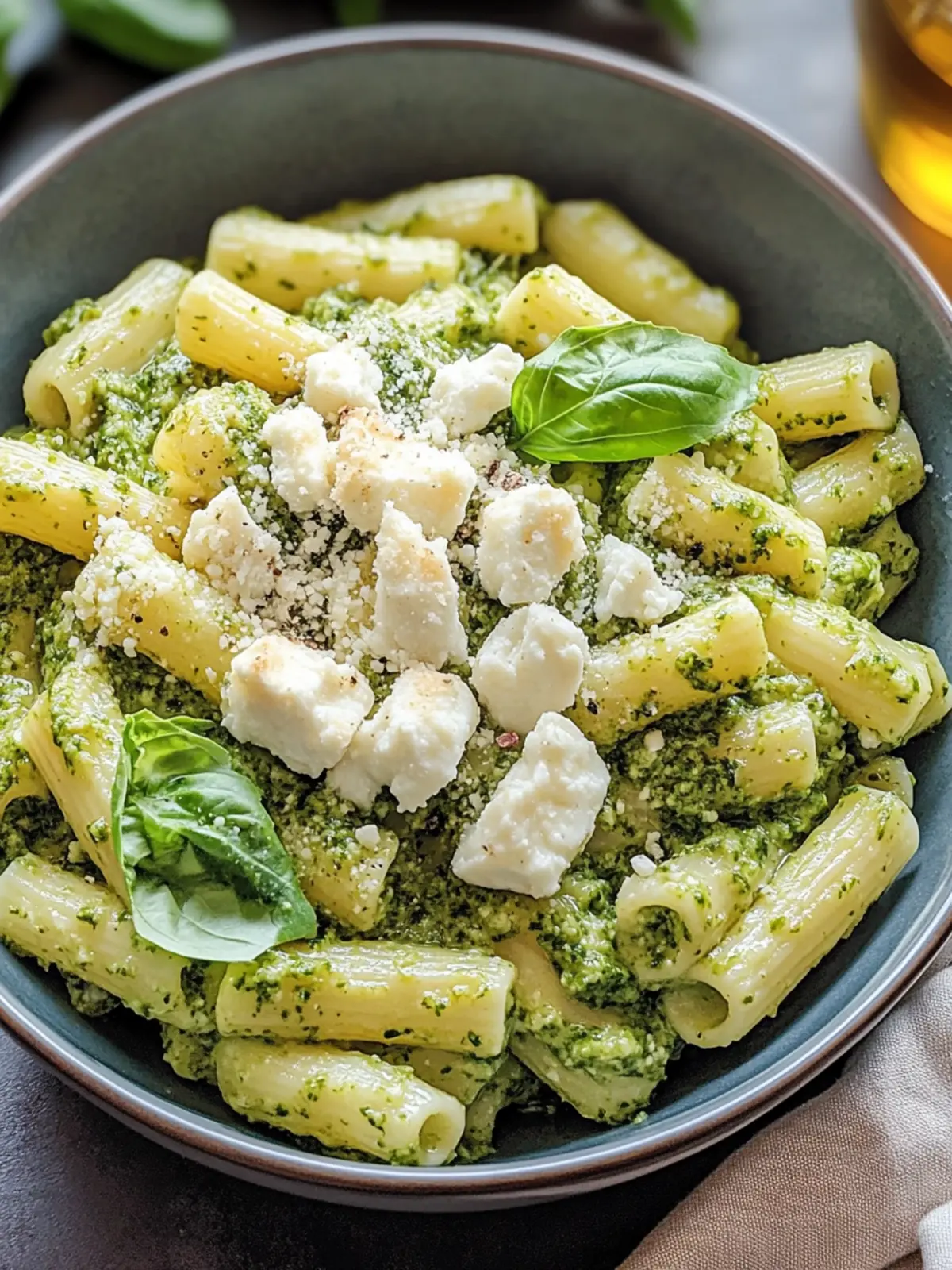
Absolutely! For this dish, I recommend using pasta shapes like penne or fusilli, as their grooves and ridges hold onto the creamy sauce beautifully. Whole wheat or gluten-free options are also wonderful substitutions, allowing everyone at your table to enjoy this meal without compromising taste.
Can I store leftover Pesto Goat Cheese Pasta, and how long will it last?
You can definitely store any leftovers! Just transfer the Pesto Goat Cheese Pasta to an airtight container and refrigerate for up to 3 days. Make sure to gently reheat it in the microwave or on the stovetop, adding a splash of water if it appears dry.
Can I freeze Pesto Goat Cheese Pasta, and how should I do it?
Yes, you can freeze this dish! First, let your pasta cool completely before portioning it into freezer-safe containers. If you want to avoid freezer burn, consider wrapping individual servings tightly in plastic wrap before placing them in the containers. It will stay fresh for up to 2 months! Just make sure to thaw overnight in the fridge before reheating.
What should I do if my sauce is too thick or too thin?
No worries! If your pesto-goat cheese sauce is too thick, slowly add the reserved pasta water, stirring continuously until you reach your desired creaminess. On the other hand, if it’s too thin, simply allow it to simmer for a few more minutes to thicken up. Adjust seasoning as needed, and don’t hesitate to experiment until it feels just right!
Are there any dietary considerations for Pesto Goat Cheese Pasta?
Very much so! This recipe contains goat cheese and pine nuts, which may trigger allergies in some individuals. If you’re cooking for someone with dairy allergies, you might consider substituting the goat cheese with a dairy-free alternative. Additionally, you can use sunflower seeds instead of pine nuts if nut allergies are a concern. Always ensure that all your ingredients are safe for your guests’ dietary needs.
How can I add more flavor to my Pesto Goat Cheese Pasta?
If you’re looking to kick the flavors up a notch, consider adding sautéed vegetables like cherry tomatoes, spinach, or zucchini. You could even toss in grilled chicken or shrimp for protein. A sprinkling of freshly cracked black pepper or chili flakes can also enhance the overall taste! The more the merrier when experimenting with your Pesto Goat Cheese Pasta!
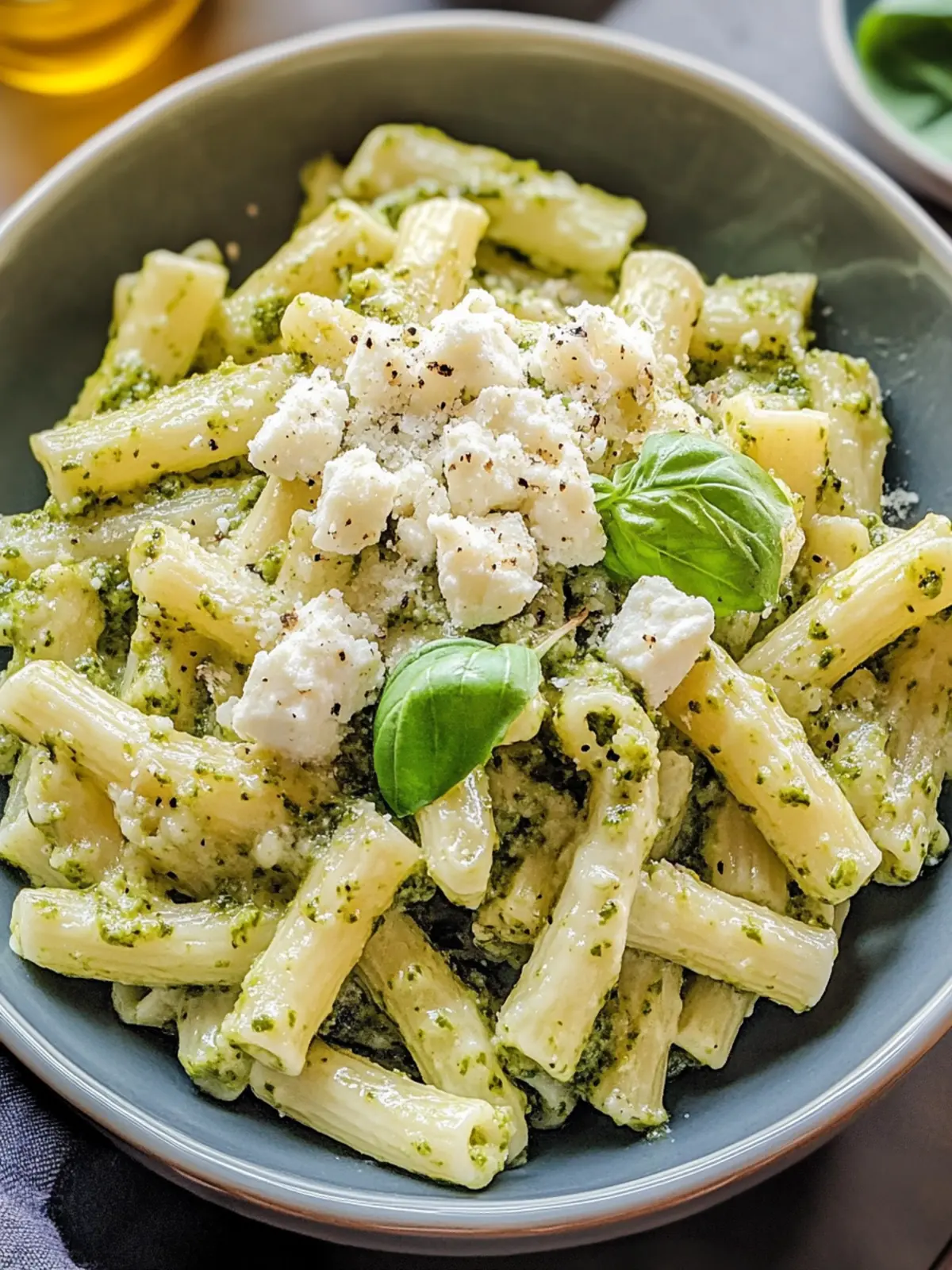
Creamy Pesto Goat Cheese Pasta for Quick Gourmet Nights
Ingredients
Equipment
Method
- Cook the Pasta: Begin by boiling a large pot of salted water. Add the pasta and cook according to the package instructions until al dente. Remember to reserve about 1/2 cup of that pasta water just before draining!
- Sauté the Garlic: In a large skillet, heat the olive oil over medium heat. Once hot, add the minced garlic and sauté for 1–2 minutes until fragrant and golden.
- Combine with Pesto: Stir in the pesto with the garlic in the skillet, blending them together nicely. Continue to cook for an additional 1–2 minutes.
- Incorporate Goat Cheese: Add the goat cheese into the skillet, gently stirring to melt it into the sauce. Mix in reserved pasta water for desired creaminess.
- Toss in the Pasta: Add the drained pasta to the skillet, tossing well in the sauce. Adjust seasoning with salt and pepper as needed.
- Finish with Toppings: Sprinkle the toasted pine nuts and grated Parmesan cheese over the pasta, tossing gently to combine. Add fresh lemon juice if desired.
- Serve and Garnish: Transfer your pasta to serving plates, finishing with a sprinkle of freshly chopped basil or parsley.