
As I strolled through the bustling farmers’ market last weekend, the vibrant colors and fresh scents filled my senses with inspiration. The moment I spotted the gorgeous napa cabbage, I knew I had a recipe brewing in my mind: Asian Vegetable Stock. This delightful concoction brings together earthy flavors and a medley of fresh vegetables that not only elevates your dishes but also nourishes your soul.
Imagine the comforting warmth of this homemade stock simmering on your stove, releasing an enticing aroma of ginger and garlic that invites everyone into your kitchen. It’s the perfect antidote to processed bouillons and bland store-bought stocks! With just a handful of wholesome ingredients, you can create a rich, versatile base that transforms soups, stews, and risottos into culinary masterpieces.
Suitable for vegans and meat-lovers alike, this stock packs a punch with umami goodness—perfect for those who crave authentic homemade flavor without the fuss. So, let’s grab our pots and dive into this simple yet rewarding journey to flavor town with my Asian Vegetable Stock recipe!
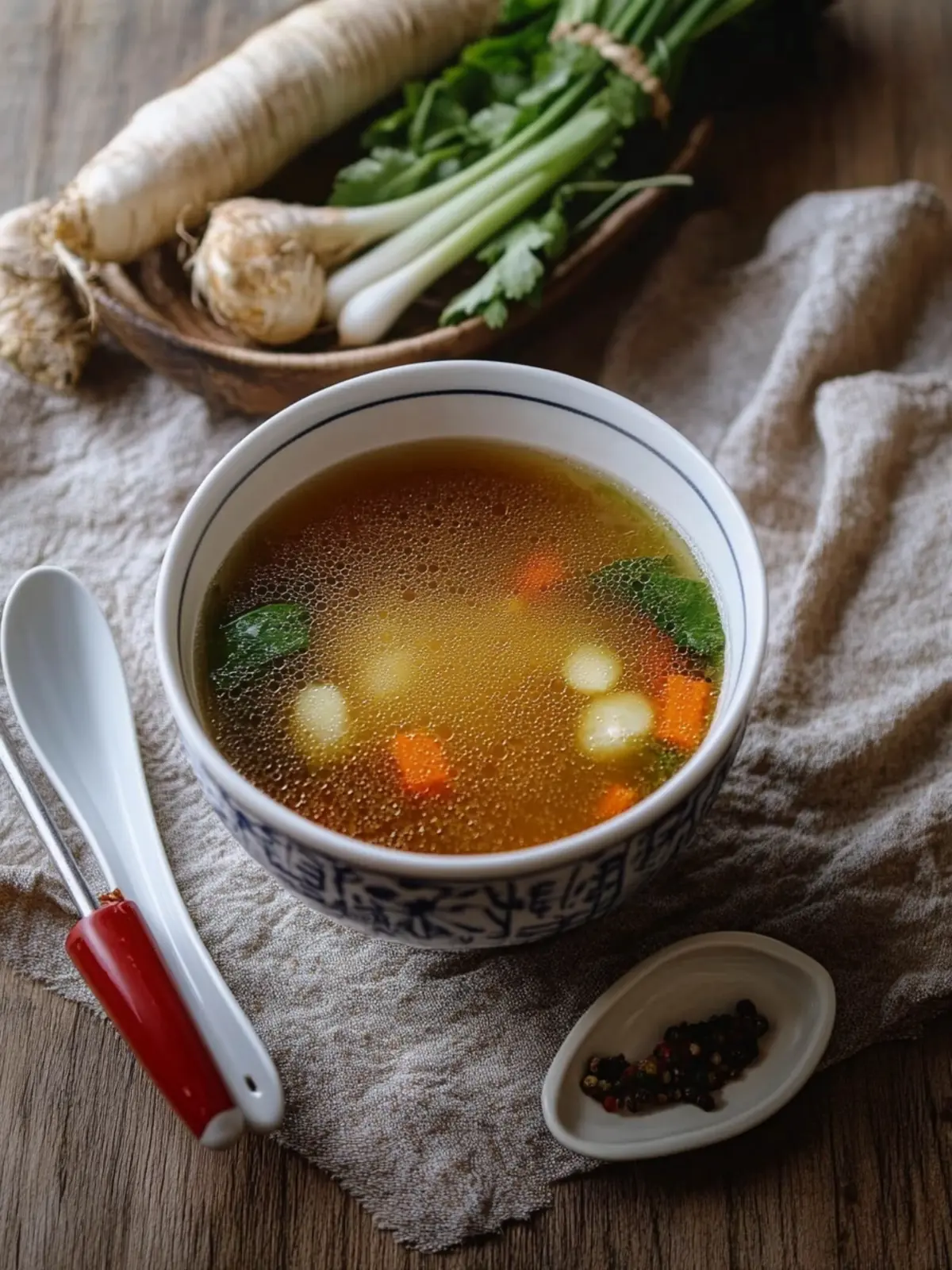
Why is Asian Vegetable Stock so special?
Rich, Complex Flavors: The combination of roasted napa cabbage, ginger, and shiitake mushrooms creates an unforgettable taste that enhances any dish.
Nourishing Goodness: Packed with vitamins and minerals, this stock is not just a base—it’s a hearty component of your meals.
Simple Steps: With easy-to-follow instructions, even novice cooks can master this recipe with confidence.
Versatile Use: Perfect for soups, sauces, or risottos, it adapts beautifully to your culinary creations. For those craving more kitchen inspiration, check out my other soup recipes for delightful additions.
Time-Saving Wonder: Make a large batch and freeze portions for quick meals anytime—perfect for busy days!
Crowd-Pleasing Appeal: Your family and friends will love the homemade depth of flavor, setting your dishes apart from the ordinary.
Asian Vegetable Stock Ingredients
• The perfect blend for flavorful stock!
For the Stock
- Napa cabbage – A star ingredient that adds depth and sweetness to your Asian Vegetable Stock.
- Vegetable oil – Helps to roast and enhance flavors; feel free to substitute with sesame oil for an extra kick.
- Ginger – Imparts a warm, zesty note; fresh ginger works best for maximum flavor.
- Garlic – Adds a fragrant base; if you prefer milder flavors, reduce the amount.
- White fermented bean curd – Optional, but it lends a creamy texture and umami richness to your stock.
- Onion – A great aromatic that deepens the stock’s flavor; use yellow or white onions for the best results.
- Carrots – Provide sweetness and color; feel free to add more for a richer taste.
- Scallions – Enhance the overall freshness of the stock; use the white parts for a stronger flavor.
- Daikon radish – Contributes a subtle peppery note; it can be swapped with regular radish if needed.
- Dried kelp (kombu) – Key for a savory umami flavor; don’t skip this if you want authentic stocks.
- Dried shiitake mushrooms – Bring earthiness and a deep umami flavor; fresh mushrooms can be used in a pinch but won’t impart the same intensity.
- Water – The foundation of your stock; aim for filtered water for the best taste.
- Salt – Essential for seasoning; add to taste after straining for a subtle flavor boost.
Elevate your dishes effortlessly with this simple yet robust Asian Vegetable Stock recipe!
How to Make Asian Vegetable Stock
-
Preheat your oven to 375°F (190°C). Cut the napa cabbage in half lengthwise, then again into quarters. Place on a sheet pan and drizzle lightly with vegetable oil. Roast for about 25 minutes until it’s slightly charred and aromatic.
-
Heat 1 tablespoon of vegetable oil in a large stockpot over medium heat. Add the ginger and garlic, cooking for 2 minutes until they release their fragrant aroma without browning.
-
Add the optional fermented bean curd to the pot, stirring for another minute to release its creamy goodness into the mix.
-
Combine the onion, carrots, scallions, daikon radish, dried kelp, dried shiitake mushrooms, and 16 cups of water in the pot. This blend creates a rainbow of flavors and nutrition!
-
Incorporate the roasted napa cabbage into the pot when it’s ready. Stir the ingredients together, allowing the goodness to meld beautifully.
-
Bring the mixture to a boil over high heat, then reduce to low. Cover the pot and let it simmer gently for 4 hours, allowing the flavors to develop into a robust stock.
-
Strain the stock through a fine-mesh sieve into another pot or bowl, discarding the solids. Season with salt to taste, making sure each spoonful is as delicious as can be!
Optional: Garnish with fresh herbs before serving for added flair and freshness.
Exact quantities are listed in the recipe card below.
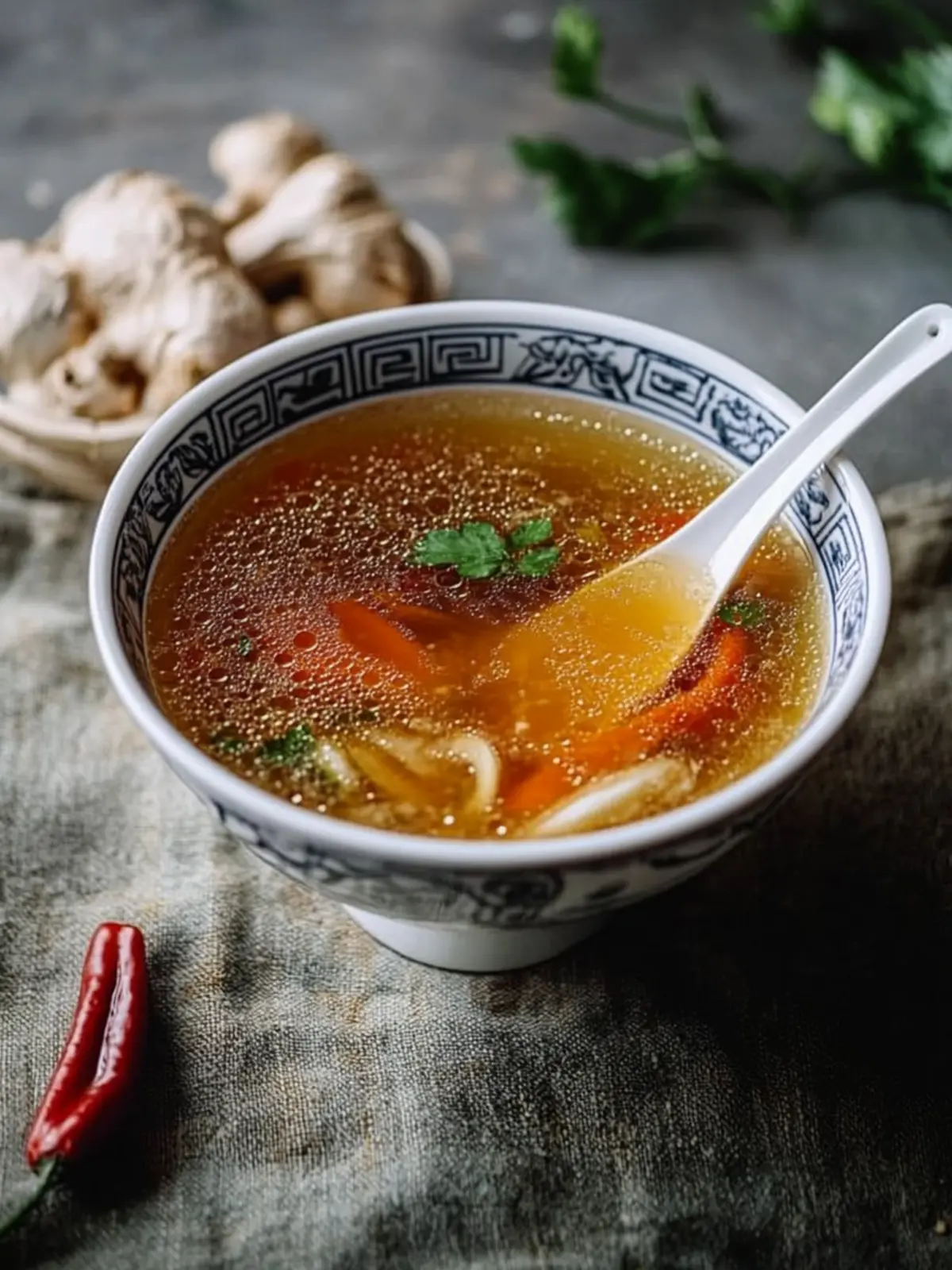
What to Serve with Asian Vegetable Stock?
Elevate your culinary creations and build a delightful meal around this flavorful stock that warms the heart and soul.
- Steamed Jasmine Rice: A fluffy base that absorbs the stock’s rich flavors, making every bite satisfying and comforting.
- Miso Soup: The umami from the stock enhances the tastes of miso, creating a soothing bowl that’s perfect for any time of day.
- Stir-Fried Tofu and Vegetables: Crisp and tender, this protein-packed dish complements the earthy tones of the stock beautifully. Toss in seasonal veggies for a rainbow of color and nutrition!
- Noodles in Broth: Whether soba or rice noodles, immerse them in the stock for a warming, nourishing dish that feels like a warm hug.
- Crispy Spring Rolls: The crunch of these rolls adds texture, while the stock provides a flavorful dip that bursts with freshness.
- Roasted Vegetable Medley: Colors and textures shine through; the sweet caramelization of veggies pairs beautifully with the deeper notes of the stock.
- Herbed Dumplings: Soft and savory, these cozy dumplings are the ideal companion, soaking up the fragrant broth for an irresistible bite.
- Chilled Asian Salad: Fresh greens and vibrant veggies tossed in a light dressing create a refreshing contrast to the warm stock, balancing your meal.
- Chai Tea: A fragrant spiced drink to sip as you enjoy your meal, enhancing the overall dining experience with warmth and comfort.
Make Ahead Options
These Asian Vegetable Stock preparations are perfect for busy home cooks looking to save time during the week! You can chop and prepare all your vegetables up to 24 hours in advance; simply store them in an airtight container in the refrigerator to keep them fresh and vibrant. The roasted napa cabbage can also be prepared a day ahead and refrigerated, which helps to enhance the flavors when combined later. When you’re ready to make your stock, just heat the aromatics, add your prepped veggies and water, and simmer to perfection. This way, you will have rich, homemade Asian Vegetable Stock ready for soups and sauces with minimal effort!
Asian Vegetable Stock Variations
Feel free to get creative with this stock; there are countless ways to personalize it to suit your tastes!
-
Mushroom Medley: Add a variety of mushrooms, such as oyster or portobello, for a deeper, more complex umami flavor. The diversity of textures will tantalize your taste buds!
-
Herb Infusion: Toss in a handful of fresh herbs like cilantro, basil, or parsley during the last hour of simmering for a fragrant twist. This little addition will brighten up the stock beautifully.
-
Spicy Kick: Add sliced fresh chili peppers or a spoonful of chili paste to infuse heat into your stock. This variation is perfect for those who enjoy a little fire in their cooking.
-
Umami Boost: Incorporate a couple of tablespoons of soy sauce or miso paste for a savory depth. You’ll notice an instant transformation in flavor, making your stock even more alluring.
-
Coconut Creamy: Stir in a splash of coconut milk towards the end of cooking for a rich, creamy texture. This is especially delightful for curry-based dishes!
-
Noodle Base: For a heartier version, add rice noodles during the last half-hour of cooking. The noodles absorb the flavors, turning the stock into a satisfying meal in itself.
-
Savory Sweetness: Use sweet potatoes instead of carrots for a hint of sweetness that complements the savory notes beautifully. These vibrant tubers also pack a nutritious punch!
-
Zesty Infusion: Squeeze in some lime juice just before serving for a refreshing citrus tang. This will lift the flavors and add a delightful zing to your creations!
How to Store and Freeze Asian Vegetable Stock
Fridge: Store your cooled Asian Vegetable Stock in an airtight container for up to 5 days. This will keep it fresh and ready for delicious meals anytime.
Freezer: Pour the stock into freezer-safe containers or ice cube trays for easy storage. It can be frozen for up to 3 months, making meal prep that much simpler!
Thawing: To use frozen stock, transfer containers to the fridge overnight or reheat in a saucepan over low heat until thawed. This preserves the rich flavors!
Reheating: When ready to use, reheat on the stove until hot, adjusting seasoning as needed. Enjoy the comforting aroma of your homemade stock!
Expert Tips for Asian Vegetable Stock
-
Roast for Depth: Roasting the napa cabbage enhances its sweetness and adds complexity. Don’t skip this step to achieve a rich flavor foundation.
-
Fresh Ingredients Matter: Use fresh ginger and garlic for maximum aroma and taste. Older ingredients can lead to a bland stock.
-
Control the Salt: Add salt only after straining the stock. This ensures you can adjust the seasoning perfectly to your taste, especially if using salty fermented bean curd.
-
Simmer Time: Allow the stock to simmer for the full 4 hours to extract all the flavors from the vegetables and mushrooms. Shorter simmer times can lead to weak results.
-
Storage Tips: Plan to freeze extra stock in ice cube trays for easy access. This way, you’ll always have flavorful Asian Vegetable Stock on hand for quick meal prep!
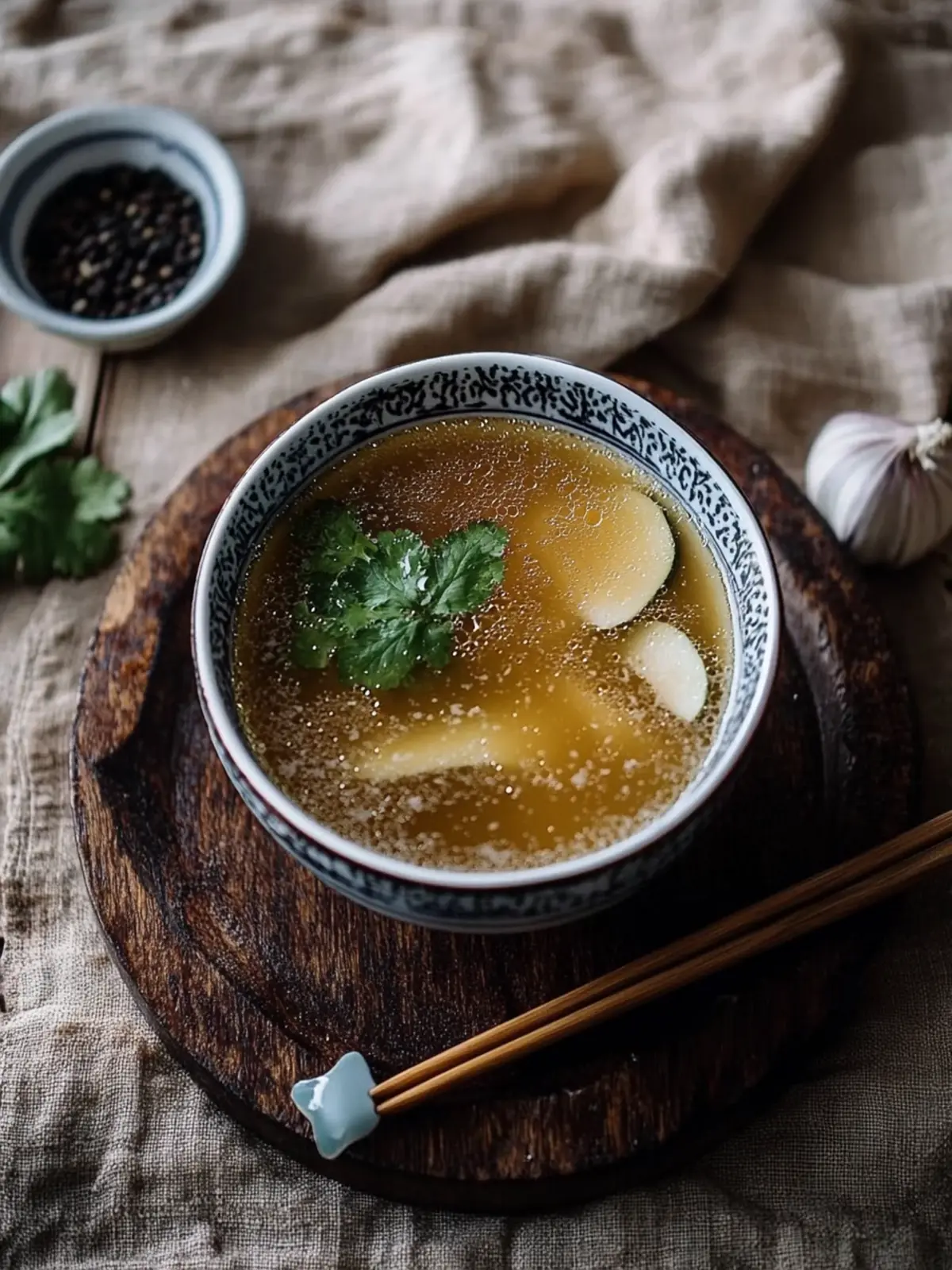
Asian Vegetable Stock Recipe FAQs
How do I select ripe ingredients for my Asian Vegetable Stock?
Absolutely! When choosing your vegetables, look for napa cabbage that feels firm and crisp, with no dark spots or wilting. Select ginger that is smooth and plump, while garlic should be dry and intact. For the carrots and daikon radish, choose those with a vibrant color and no soft spots—this ensures the best flavor for your stock.
What are the best storage methods for leftover stock, and how long does it last?
Very! After making your Asian Vegetable Stock, let it cool before transferring it to an airtight container. In the fridge, it will stay fresh for up to 5 days. Just make sure to store it in a spot where it won’t get knocked around to keep the flavors intact!
Can I freeze Asian Vegetable Stock, and if so, how?
Yes, absolutely! Pour your cooled stock into freezer-safe containers, leaving some space at the top for expansion. Alternatively, you can use ice cube trays for portion sizes. This way, you can easily thaw smaller amounts as needed. Your stock will be good for up to 3 months in the freezer. To use, just thaw overnight in the fridge or gently reheat in a saucepan on low.
What should I do if my stock tastes bland?
If your stock tastes bland, it might be due to a few reasons. First, make sure to simmer it for the full 4 hours to extract all the flavors from the ingredients. You can always adjust the salt after straining for better seasoning. For added umami, consider incorporating a bit more dried shiitake mushrooms or even a splash of soy sauce to enhance the depth of flavor.
Are there any dietary considerations I should keep in mind when making this stock?
Certainly! If you’re serving anyone with food allergies, be mindful of the fermented bean curd as it may contain soy. The stock is vegan-friendly and packed with nutrients, making it suitable for a variety of diets. However, if you’re preparing a meal for pets, make sure to keep this stock away from them, especially due to the garlic content, which is not safe for dogs.
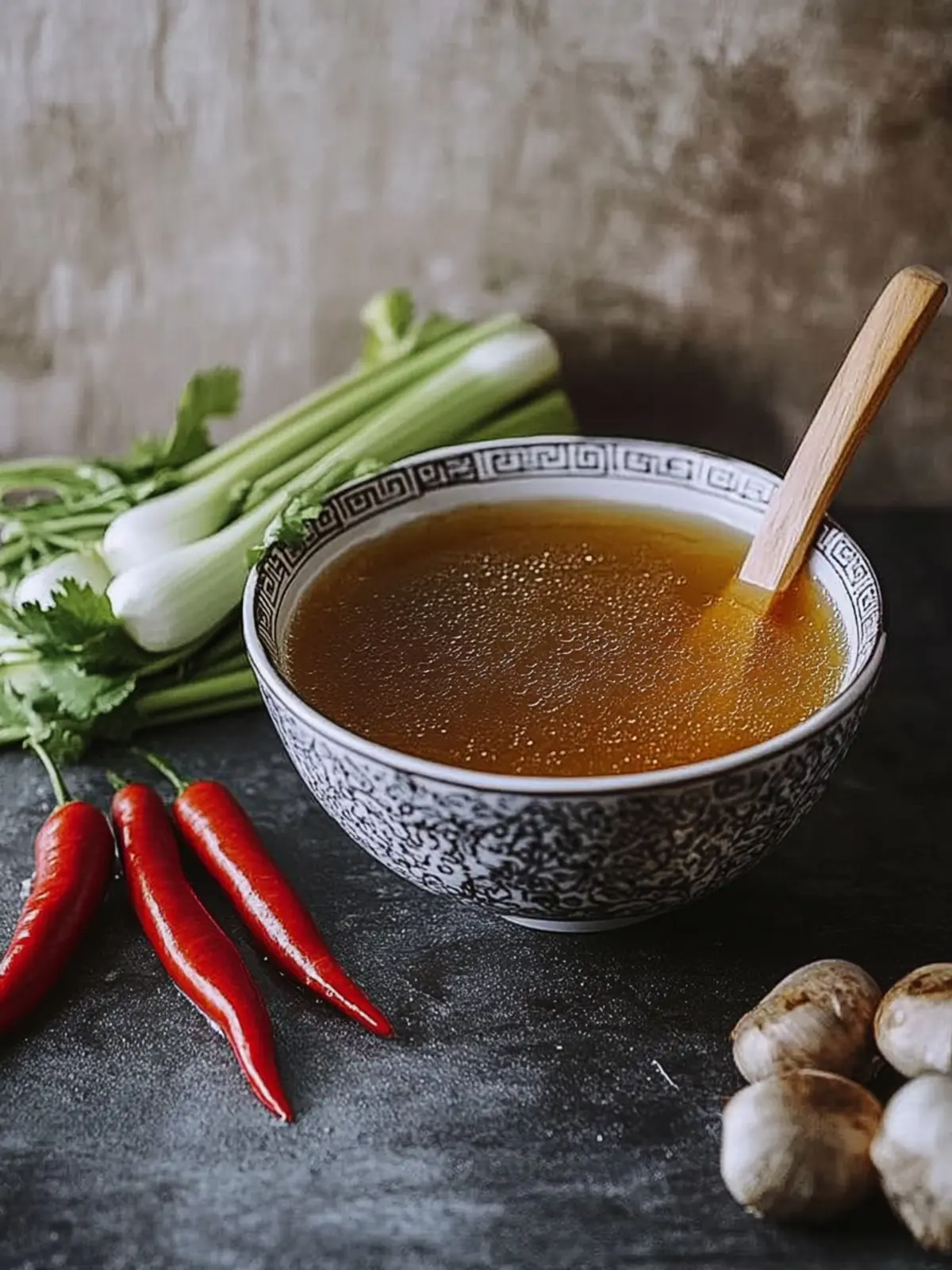
Craft Flavorful Asian Vegetable Stock for Endless Recipes
Ingredients
Equipment
Method
- Preheat your oven to 375°F (190°C). Cut the napa cabbage in half lengthwise, then again into quarters. Place on a sheet pan and drizzle lightly with vegetable oil. Roast for about 25 minutes until it's slightly charred and aromatic.
- Heat 1 tablespoon of vegetable oil in a large stockpot over medium heat. Add the ginger and garlic, cooking for 2 minutes until they release their fragrant aroma without browning.
- Add the optional fermented bean curd to the pot, stirring for another minute to release its creamy goodness into the mix.
- Combine the onion, carrots, scallions, daikon radish, dried kelp, dried shiitake mushrooms, and 16 cups of water in the pot. This blend creates a rainbow of flavors and nutrition!
- Incorporate the roasted napa cabbage into the pot when it’s ready. Stir the ingredients together, allowing the goodness to meld beautifully.
- Bring the mixture to a boil over high heat, then reduce to low. Cover the pot and let it simmer gently for 4 hours, allowing the flavors to develop into a robust stock.
- Strain the stock through a fine-mesh sieve into another pot or bowl, discarding the solids. Season with salt to taste, making sure each spoonful is as delicious as can be!