
There’s something so comforting about a dish that effortlessly combines simplicity with rich, vibrant flavors. My introduction to Arabic Rice Pilaf was a serendipitous moment during a gathering where a friend brought this aromatic gem, filling the room with the warm scent of spices and toasted nuts. I remember the delight on everyone’s faces as they dug in, the rice perfectly fluffy and infused with hints of cumin and coriander.
What I love most about this pilaf is its versatility; it’s a fantastic side dish to complement grilled meats or can stand alone as a wholesome vegetarian option. With just a handful of ingredients and a quick cooking time, you can create a meal that feels special without the fuss. As we explore the steps to crafting this dish, get ready to bring the enchanting flavors of the Middle East right into your home kitchen. Let’s turn that rare moment of culinary magic into a regular feature at your dining table with this easy and delicious Arabic Rice Pilaf!
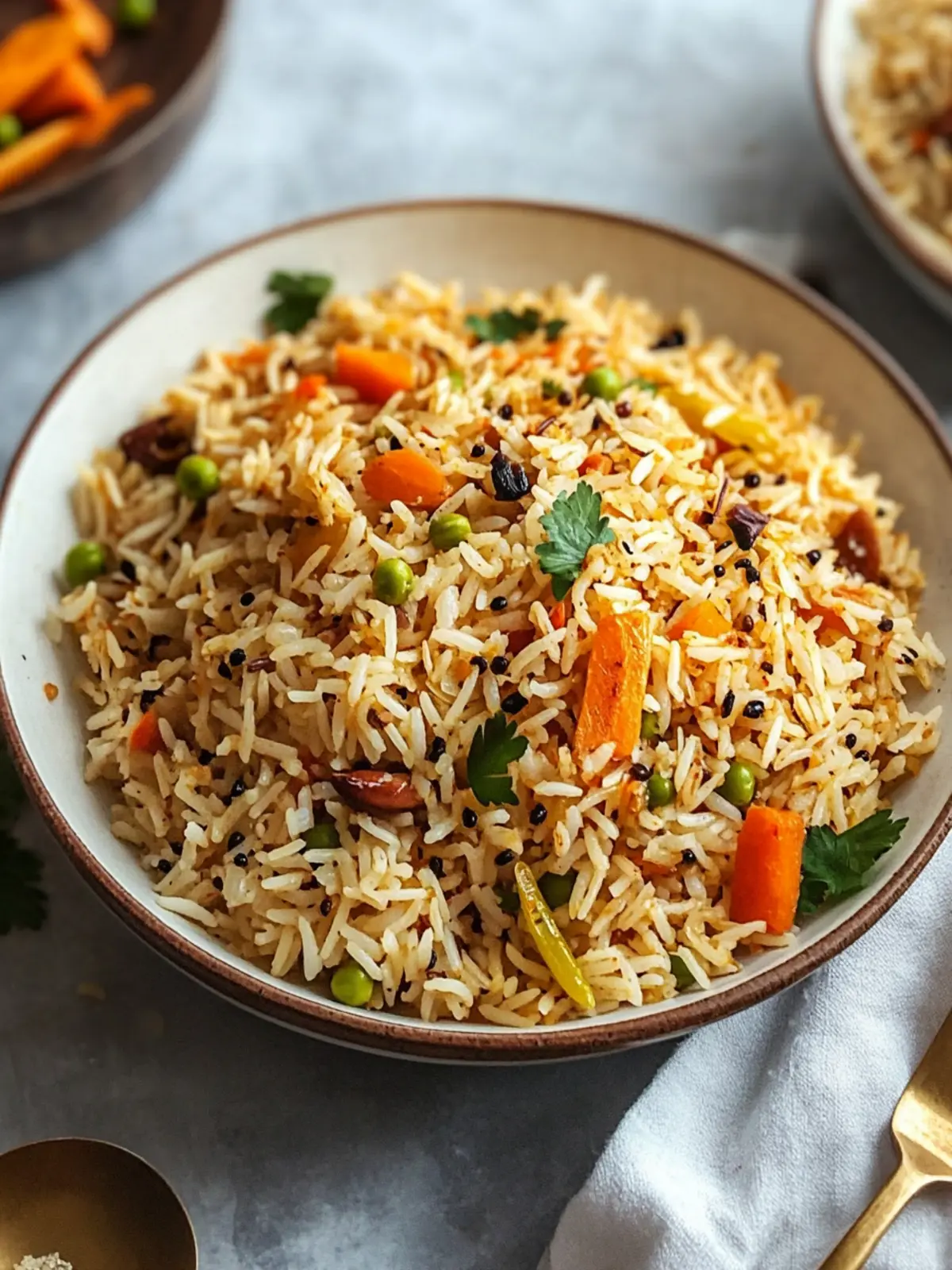
Why is Arabic Rice Pilaf so special?
Simplicity makes this dish a breeze to prepare, needing only basic ingredients and skills. Richly spiced with cumin, coriander, and cinnamon, it offers layers of flavor that awaken the palate. Versatile enough to pair beautifully with grilled veggies or meat, it satisfies everyone at the table. Plus, it’s a crowd-pleaser—perfect for gatherings or weeknight dinners. You’ll be amazed at how much comfort can come from a pot of rice when it’s infused with love and spice! For a delightful accompaniment, check out my Grilled Lemon Herb Chicken recipe!
Ingredients for Arabic Rice Pilaf
• Get ready to create a delicious dish!
For the Rice
• 1 cup long-grain rice – Choose basmati for a lovely texture.
• 2 cups water – This is essential for cooking the rice to fluffy perfection.
For the Seasoning
• 2 tablespoons butter – Adds a rich flavor that enhances the spices.
• 1 tablespoon vegetable oil – Helps prevent the butter from burning.
• 1 small onion, chopped – Provides a sweet and savory base.
• 1 teaspoon ground cumin – Key in giving the pilaf its aromatic depth.
• 1 teaspoon ground coriander – Adds a citrusy undertone that brightens the dish.
• 1/2 teaspoon ground cinnamon – Introduces warmth and comfort to each bite.
• 1/2 teaspoon ground turmeric – Gives the rice a beautiful golden hue.
• 1/4 teaspoon ground cayenne pepper – Adds a hint of heat to balance the spices.
• 1/2 teaspoon salt – Essential for bringing all the flavors together.
• 1/4 teaspoon black pepper – A classic seasoning that complements the spices.
For the Garnish
• 1/4 cup chopped fresh parsley – Not only adds color but also freshness.
• 1/4 cup chopped toasted almonds or pine nuts – These give a delightful crunch and nutty flavor.
Embark on this delightful journey of flavors!
How to Make Arabic Rice Pilaf
-
Heat the butter and oil in a large saucepan over medium heat. Once melted, you’ll enjoy that inviting aroma filling your kitchen—this step sets the stage for delicious flavors!
-
Sauté the onion until it’s translucent, roughly 3-4 minutes. This will soften the onion and enhance its sweetness, creating the flavor base of your pilaf.
-
Mix in the cumin, coriander, cinnamon, turmeric, cayenne pepper, salt, and black pepper. Stir well to combine and cook for about a minute, allowing the spices to bloom and fill your home with delightful scents.
-
Add the rice to the pan and stir well to coat the grains with the luscious spice mixture. This step is crucial to ensure every bite is packed with flavor.
-
Pour in the water, then bring the mixture to a boil over high heat. Keep an eye on it; bubbling water means it’s almost time to simmer!
-
Reduce the heat to low, cover the saucepan, and let it simmer for 15-20 minutes. The rice should be fluffy and the liquid fully absorbed when done—perfectly cooked rice is key!
-
Stir in the parsley and toasted nuts before serving. This final touch adds freshness and a pleasant crunch to your pilaf, making it irresistible.
Optional: Serve with a wedge of lemon for an extra burst of flavor!
Exact quantities are listed in the recipe card below.
Make Ahead Options
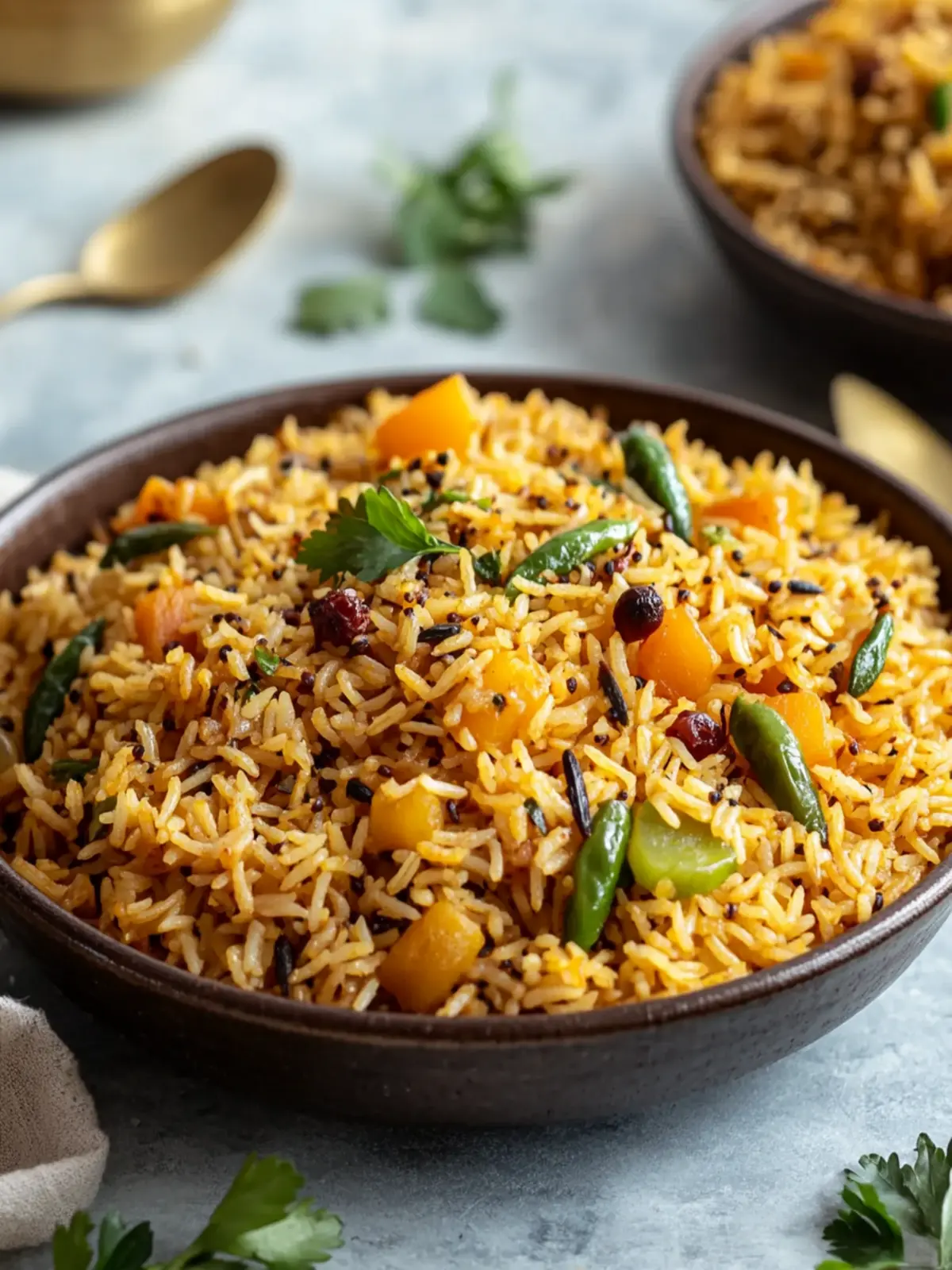
Preparing Arabic Rice Pilaf ahead of time is a fantastic way to save precious minutes on busy weeknights! You can wash and soak the rice up to 24 hours in advance, which not only helps it cook evenly but also enhances its texture. Additionally, you can chop the onion and measure out the spices for quicker assembly. Just store these ingredients in airtight containers in the fridge. When you’re ready to serve, simply heat the butter and oil, sauté the prepared onion, and follow the remaining cooking steps. This way, your pilaf will be just as delicious, allowing you to enjoy the comforting flavors with minimal effort!
How to Store and Freeze Arabic Rice Pilaf
Room Temperature: Arabic Rice Pilaf is best served fresh but can stay at room temperature for up to 2 hours. Avoid leaving it out longer to prevent spoilage.
Fridge: Store leftover pilaf in an airtight container in the refrigerator for up to 3 days. Reheat gently in the microwave or on the stove with a splash of water to restore moisture.
Freezer: Arabic Rice Pilaf freezes well for up to 2 months. Portion it into freezer-safe bags or containers, removing excess air before sealing.
Reheating: When ready to enjoy, thaw overnight in the fridge and reheat until piping hot, adding a bit of water if necessary to keep it moist.
Expert Tips for Arabic Rice Pilaf
-
Rice Rinsing: Always rinse the long-grain rice before cooking. This removes excess starch and helps achieve fluffy Arabic Rice Pilaf without clumping.
-
Spice Blooming: Don’t skip sautéing the spices with the onion. This step releases their essential oils, maximizing flavor and aroma in your pilaf.
-
Water Ratio: Stick to the 2:1 water-to-rice ratio for perfect texture. Adding too much water can result in sticky rice, which is less desirable for pilaf.
-
Let It Rest: After cooking, allow the pilaf to rest with the lid on for about 5 minutes. This helps the flavors to meld and gives the rice a chance to finish steaming.
-
Taste for Seasoning: Before serving, taste your pilaf. Adjust salt if necessary; this final check ensures a balanced flavor profile that will delight your guests.
What to Serve with Arabic Rice Pilaf?
Create a memorable meal with colorful accompaniments that complement every warm, aromatic bite.
-
Grilled Chicken Skewers: Juicy and smoky, they enhance the rice’s spices and create a delightful blend of flavors. This pairing turns your meal into an unforgettable feast.
-
Roasted Vegetables: Add vibrant seasonal veggies tossed in olive oil and herbs. Their caramelized sweetness contrasts beautifully with the savory pilaf.
-
Cucumber Yogurt Salad: Refreshing and creamy, this cool dish adds a delightful crunch and balances the warmth of the pilaf. Perfect for a light touch!
-
Hummus: Smooth and creamy, it makes an excellent dipping side. The savory chickpea purée enhances your pilaf’s spices with its earthy undertones.
-
Lentil Soup: Hearty and nutritious, it provides a comforting side that complements the light nature of the pilaf. The earthy lentils marry beautifully with the fragrant rice.
-
Mint Lemonade: A refreshing drink option that cuts through the richness of the meal with its refreshing twang, keeping your palate refreshed throughout.
-
Baklava: Finish your meal with this sweet and nutty dessert. Its flaky layers echo the texture of the pilaf, providing a lovely finale to your dining experience.
Variations & Substitutions for Arabic Rice Pilaf
Feel free to get creative and customize your Arabic Rice Pilaf with these delightful twists!
-
Vegetarian: Swap the butter for olive oil to make the dish completely plant-based without sacrificing flavor.
-
Nut-Free: Omit the nuts, or substitute sunflower seeds for a satisfyingly crunchy texture, perfect for those with allergies.
-
Citrus Boost: Add the zest of one lemon or orange before serving to brighten the dish, giving your pilaf a refreshing twist.
-
Extra Heat: Increase the cayenne pepper or add some diced jalapeño for a spicier version, perfect for heat lovers!
-
Herb Variations: Try adding fresh mint or dill along with the parsley for an exciting herbal contrast that enhances the pilaf’s flavors.
-
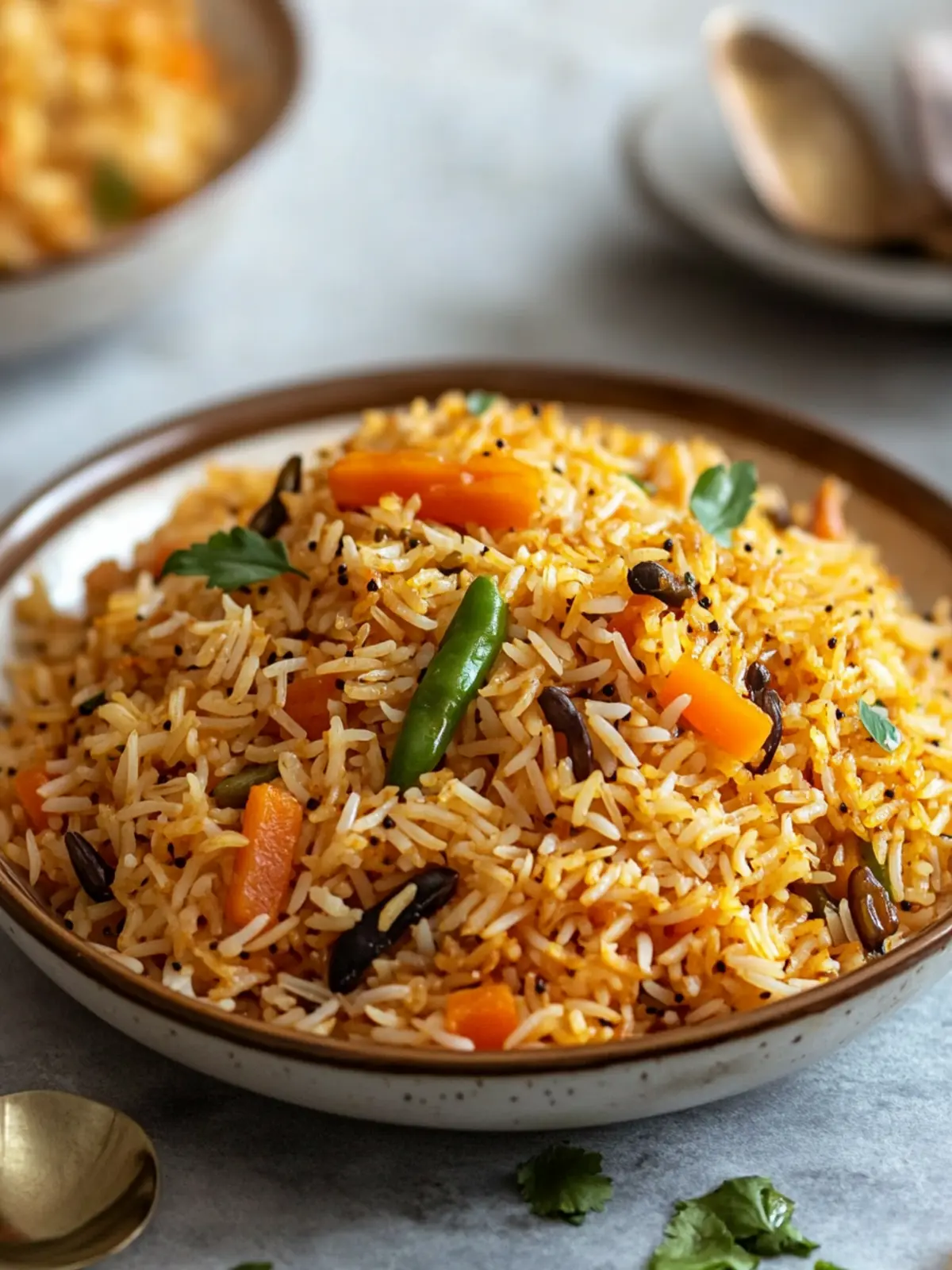
Mixed Veggies: Incorporate sautéed bell peppers, peas, or carrots for a colorful, nutrient-packed pilaf that makes every bite vibrant and delicious.
-
Broth Infusion: Use chicken or vegetable broth instead of water to add depth and richness to the flavor profile, transforming the pilaf into something truly special.
-
Sautéed Mushrooms: Add a cup of sliced mushrooms while sautéing the onions for an earthy, umami bomb that complements the spices beautifully.
Experimenting with these variations not only enhances the visual appeal but also takes the flavor experience to new heights!
Arabic Rice Pilaf Recipe FAQs
How do I choose the right rice for Arabic Rice Pilaf?
I recommend using long-grain rice, like basmati, for the best texture. Look for grains that are slender and aromatic before cooking; they give that characteristic fluffy result. Avoid short-grain rice as it tends to be sticky, which isn’t ideal for pilaf.
How should I store leftover Arabic Rice Pilaf?
Absolutely! To store, place the pilaf in an airtight container in the refrigerator. It will stay fresh for up to 3 days. When reheating, simply add a splash of water to prevent dryness and warm it gently on the stovetop or in the microwave.
Can I freeze Arabic Rice Pilaf?
Yes, you can! This pilaf freezes beautifully for up to 2 months. Portion it into freezer-safe bags, ensuring to remove excess air before sealing. When you’re ready to enjoy it, just thaw in the fridge overnight and reheat until piping hot.
What should I do if my rice is too sticky when making Arabic Rice Pilaf?
If you find your rice is sticky, it may be due to overcooking or using the wrong type of rice. To fix this, gently fluff the rice with a fork after cooking. If you starting anew, remember to rinse the rice before cooking. This removes extra starch, helping achieve that perfect fluffy texture.
Is this Arabic Rice Pilaf suitable for those with nut allergies?
If you’re preparing this for someone with nut allergies, you can absolutely omit the toasted nuts! The pilaf is still rich in flavor without them. Alternatively, try adding crispy chickpeas for added texture and flavor without any nut concerns.
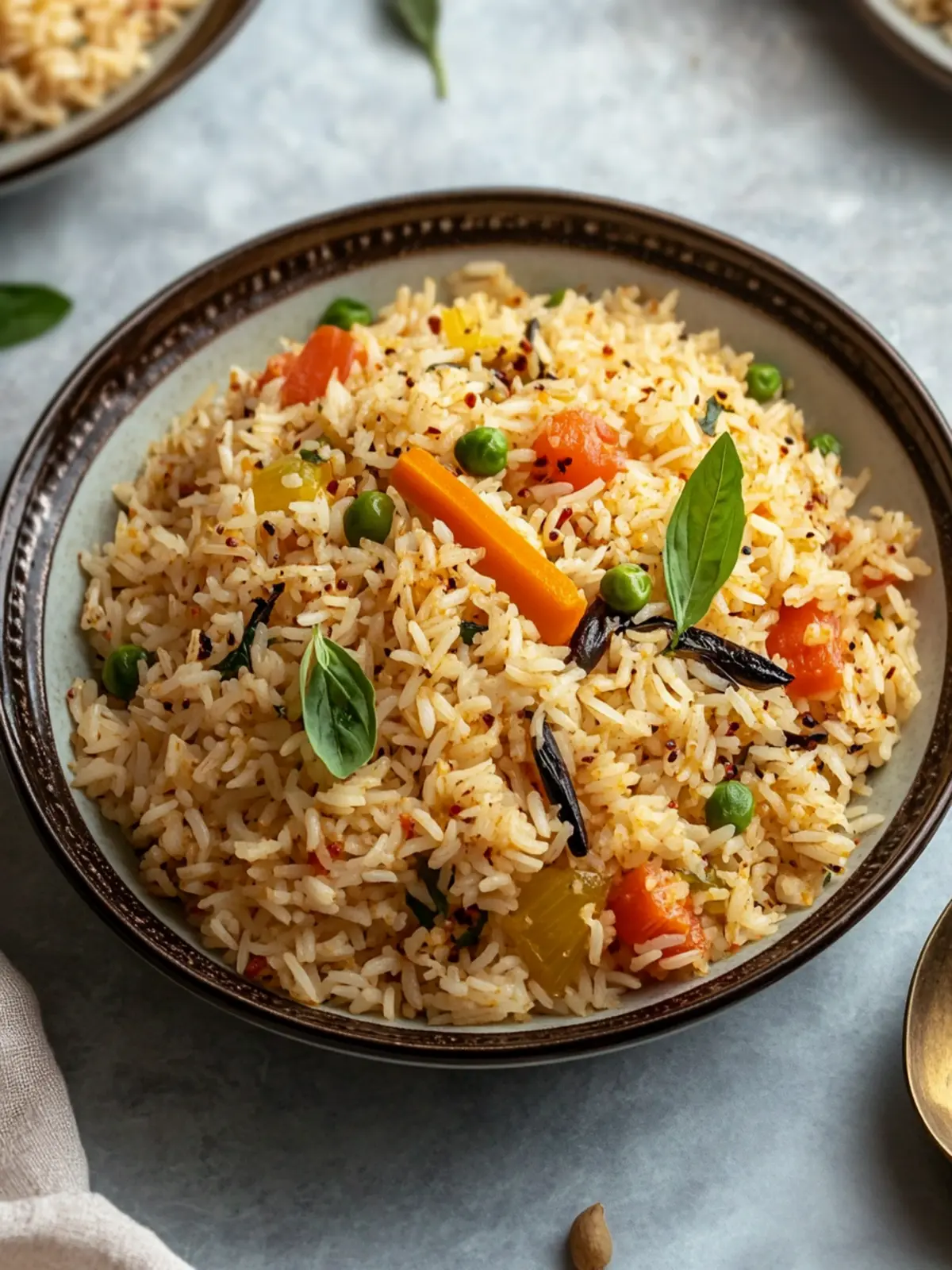
Savory Arabic Rice Pilaf with Spices and Nuts Delight
Ingredients
Equipment
Method
- Heat the butter and oil in a large saucepan over medium heat. Once melted, enjoy the inviting aroma filling your kitchen!
- Sauté the onion until it’s translucent, roughly 3-4 minutes.
- Mix in the cumin, coriander, cinnamon, turmeric, cayenne pepper, salt, and black pepper. Stir well to combine and cook for about a minute.
- Add the rice to the pan and stir well to coat the grains with the spice mixture.
- Pour in the water, then bring the mixture to a boil over high heat.
- Reduce the heat to low, cover the saucepan, and let it simmer for 15-20 minutes.
- Stir in the parsley and toasted nuts before serving.