

The moment I unearthed a vibrant array of vegetables in my fridge, I felt a spark of inspiration. With the crispness of fresh daikon, the crunch of cucumbers, and a hint of sweetness from carrots, I knew I could create something special. Enter Asazuke, a delightful Japanese lightly pickled vegetable dish that perfectly showcases the harmony of flavors and textures.
As spring bursts with color, there’s no better way to celebrate the season’s bounty than by transforming these simple ingredients into a crunchy and tangy accompaniment to any meal. Not only does this recipe bring a burst of umami to your table, but it’s also incredibly easy to prepare and can be enjoyed as a side dish or even a snack.
Whether you’re patiently waiting for your dinner to cook or looking for a quick way to elevate your lunch, this refreshing dish is sure to become a new staple in your kitchen. Let’s dive into the world of Asazuke and discover the joy of homemade pickles!

Why Love Japanese Lightly Pickled Vegetables?
Freshness at your fingertips: This recipe uses vibrant vegetables that deliver a delightful crunch and bright flavor.
Easy prep: With just 15 minutes of hands-on work, you’ll have a flavorful side dish ready to impress.
Versatile serving options: Enjoy it as a side, snack, or topping, making it the perfect addition to any meal.
Health benefits: Low in calories and packed with nutrients, you get deliciousness without guilt.
Quick pickling: In just 1–3 hours, these veggies transform into something extraordinary. For other quick and healthy veggie recipes, check out our guide on easy homemade pickles.
Japanese Lightly Pickled Vegetables Ingredients
For the Vegetables
• Napa cabbage – 4 leaves (11 oz, 300 g); or use green cabbage for a slightly different texture.
• Daikon radish – 2 inches (6 oz, 170 g); or substitute with turnips or cauliflower for a unique flavor.
• Japanese cucumber – 1 (4.5 oz, 128 g); Persian cucumber works beautifully too.
• Watermelon radish – ½ (3.5 oz, 100 g); red radish can be used if watermelon is unavailable.
• Carrot – ⅓ (1.6 oz, 45 g); julienning adds a lovely crunch.
For the Pickling Brine
• Kosher salt – Diamond Crystal (2.5%); adjust according to the total weight of your vegetables for perfect seasoning.
• Sugar – ½ tsp; brings a subtle sweetness to balance the saltiness.
• Kombu (dried kelp) – 1 piece (1 x 2 inches); enhances umami flavors in the mixture.
Optional Extras
• Shiso leaves – 5; including them adds a fragrant touch that elevates the dish.
• Toasted sesame oil – for drizzling; it adds a nutty richness to the pickles.
• Toasted white sesame seeds – for sprinkling; they add delightful texture and visual appeal.
• Yuzu zest – optional; a sprinkle introduces a citrusy brightness, making your Japanese lightly pickled vegetables shine.
How to Make Japanese Lightly Pickled Vegetables
-
Chop the napa cabbage into 1-inch (2.5-cm) pieces, then cut into bite-size pieces. Place them in a large bowl, creating a flavorful base for your pickles.
-
Slice the Japanese cucumber in a striped pattern. Use a mandoline slicer or a sharp knife to cut it into thin ⅛ inch (3 mm) slices for optimal texture.
-
Peel the daikon radish, then cut it in half lengthwise. Thinly slice the radish into ⅛ inch (3 mm) pieces, ensuring each slice retains that crunchiness.
-
Prepare the watermelon radish by peeling it and slicing it thinly at ⅛ inch (3 mm). Its vibrant color adds beauty and flavor to your dish.
-
Julienne the carrot by peeling it and cutting it into thin strips using a julienne peeler or knife. This adds a lovely sweetness and crunch.
-
Cut the shiso leaves in half widthwise, then roll them and slice into julienned strips. These fragrant leaves will elevate your pickles with their unique flavor.
-
Weigh the total vegetables using a digital kitchen scale, subtracting the weight of the bowl. Multiply the total by 2.5% to find out how much salt to add.
-
Combine the sugar with the vegetables. Toast the kombu over an open flame until it’s tender, cut into strips, and add it to the bowl along with the shiso leaves.
-
Massage the salt into the vegetables until evenly coated. Place weights on top to press them down and let them pickle in the refrigerator for 1–3 hours.
-
Drain excess liquid after pickling time is up. Transfer the pickles to a clean airtight container, discarding any released liquid.
-
Serve the pickles with a clean utensil. You can enhance them further by adding yuzu zest, a drizzle of toasted sesame oil, and a sprinkle of toasted white sesame seeds.
-
Store any leftover pickles in an airtight container in the fridge, where they will remain fresh for 3–4 days.
Optional: Garnish with extra shiso leaves for an herbaceous touch.
Exact quantities are listed in the recipe card below.
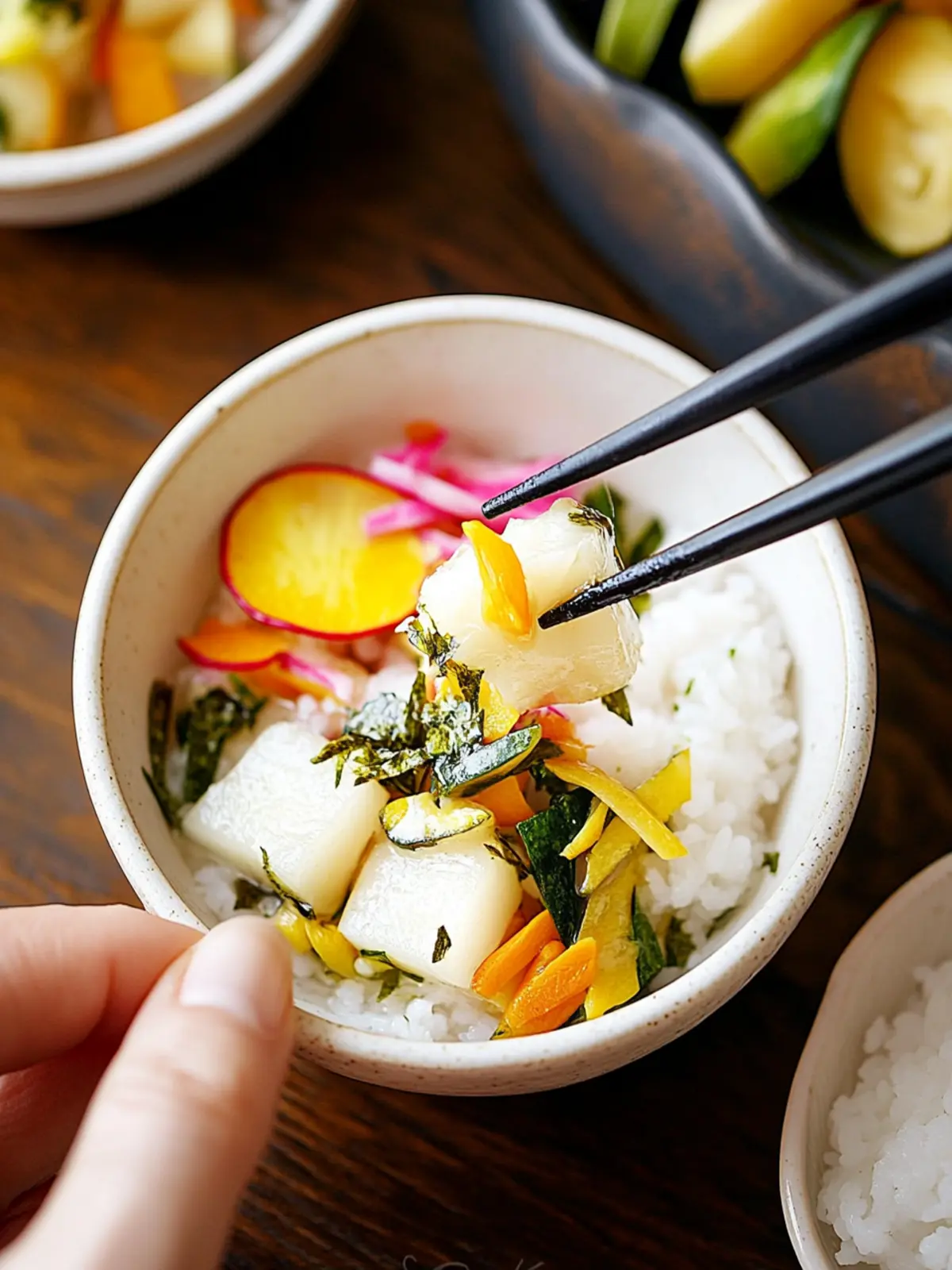
How to Store and Freeze Japanese Lightly Pickled Vegetables
Fridge: Store the pickles in an airtight container in the refrigerator to maintain freshness for up to 3–4 days. Always use a clean utensil to serve.
Freezer: For long-term storage, consider freezing the pickled vegetables, but be aware that texture may change. Use freezer-safe bags or containers for up to 2 months.
Reviving Frozen Pickles: When ready to eat frozen Japanese lightly pickled vegetables, thaw in the fridge overnight and enjoy immediately for the best taste and texture.
Pro Tip: Avoid storing near strong-smelling foods in the fridge to prevent flavor absorption.
Japanese Lightly Pickled Vegetables Variations
Feel free to unleash your creativity and customize these pickles to suit your taste buds!
-
Dairy-Free: Replace sugar with agave syrup for a vegan-friendly sweetness that complements the vegetables beautifully.
-
Spicy Kick: Add sliced chili peppers or a sprinkle of red pepper flakes to introduce a delightful heat that balances the dish perfectly.
-
Herbaceous Twist: Use fresh basil or mint in place of shiso leaves for a unique flavor profile that brightens up the pickles.
-
Crispy Add-Ins: Toss in thinly sliced radishes or jicama for added crunch and a refreshing contrast to the softer vegetables.
-
Citrus Burst: Squeeze fresh lemon or lime juice into the brine for a zesty lift that enhances the overall flavor.
-
Umami Boost: Incorporate a splash of soy sauce or tamari to deepen the umami flavor, marrying beautifully with the pickles.
-
Sweeten the Deal: Mix in thin mango or pineapple slices for a sweet twist that pairs wonderfully with the acidity of the pickles.
-
Colorful Combo: Opt for colorful beets instead of watermelon radish to create a stunning visual display and an earthier flavor.
Expert Tips for Japanese Lightly Pickled Vegetables
-
Salt Calculation: Always measure salt based on the weight of your vegetables to ensure perfect seasoning. Too much salt can make your pickles overly salty.
-
Keep it Crunchy: Make sure to not slice the vegetables too thinly; aim for ⅛ inch (3 mm) to maintain their delightful crunch and texture in your Japanese lightly pickled vegetables.
-
Experiment with Flavors: Feel free to mix different veggies or herbs, like adding radishes or greens that are available, to discover unique flavors that suit your palate.
-
Pickling Time: Leave the vegetables to pickle for at least 1 hour but no longer than 3 hours to keep them fresh. Over-pickling can lead to soggy texture.
-
Storage Tips: Use a clean utensil when serving from the storage container to keep the pickles fresh longer. Store them in an airtight container to preserve their flavor and crunch.
Make Ahead Options
These Japanese Lightly Pickled Vegetables are perfect for meal prep enthusiasts! You can slice and prepare all your veggies—napa cabbage, daikon, cucumbers, watermelon radish, and carrots—up to 24 hours in advance, storing them in an airtight container in the refrigerator to maintain their freshness. For optimal flavor, simply follow the pickling steps the day you plan to serve, allowing the vegetables to pickle for 1–3 hours. Remember to massage the salt and let them rest with weights, as this step is crucial for flavor infusion. By prepping ahead, you’ll have a delightful, delicious accompaniment ready with minimal hassle during busy weeknight dinners!
What to Serve with Japanese Lightly Pickled Vegetables?
Elevate your dining experience with these delightful pairings that burst with flavor and texture.
-
Grilled Fish: The lightness of grilled fish, such as salmon or mackerel, beautifully complements the crunch of pickled vegetables. Their smoky flavor contrasts with the tangy notes of the Asazuke.
-
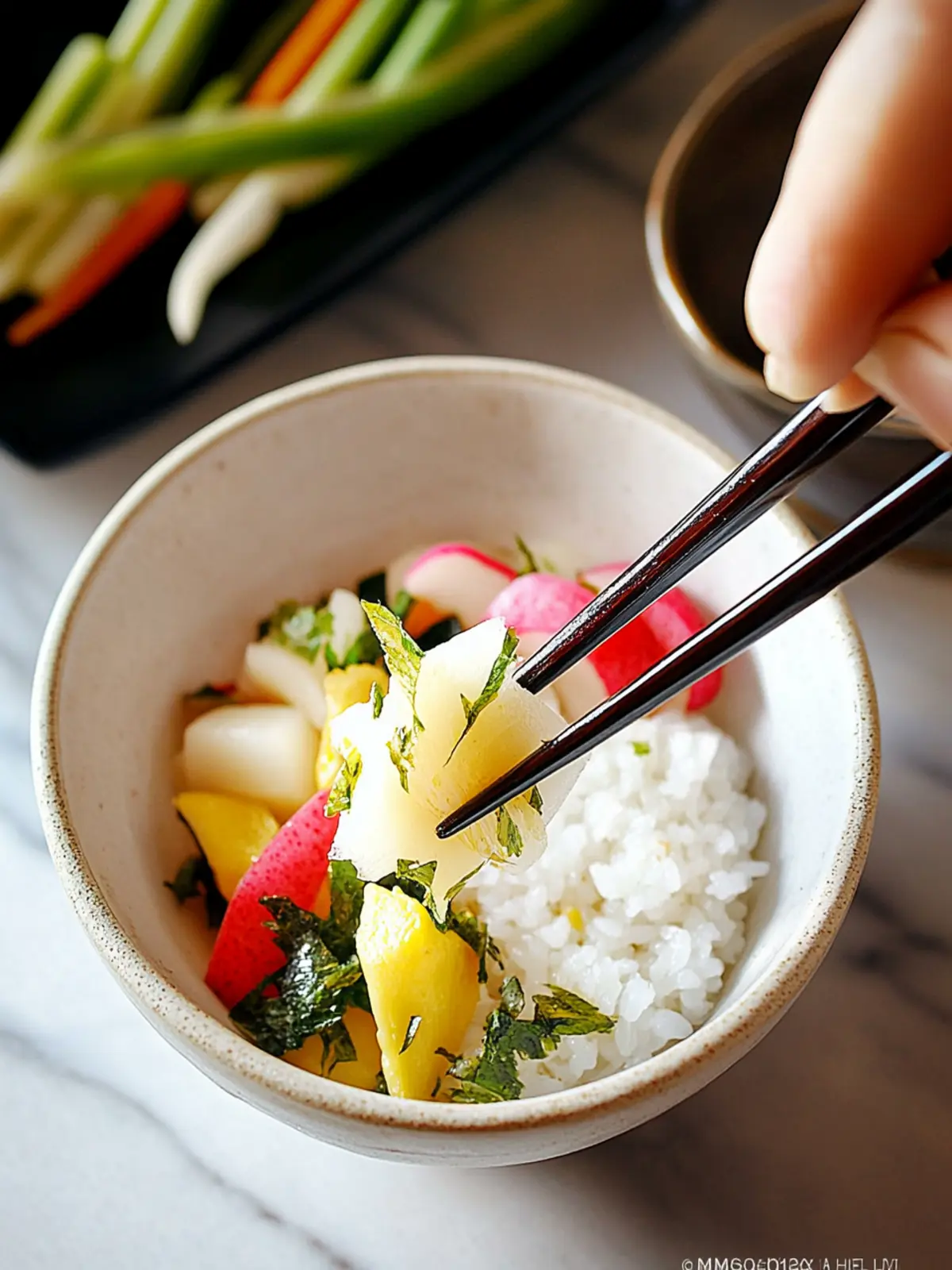
Steamed Rice: A bowl of fluffy white rice serves as the perfect canvas to enjoy these pickled veggies. The simplicity of rice enhances the umami flavors while absorbing the tangy brine.
-
Cold Soba Noodles: This refreshing dish pairs wonderfully with Asazuke, offering a satisfying contrast in temperature and texture. Add a splash of soy sauce for a delicious umami kick.
-
Teriyaki Chicken: The sweet and savory glaze of teriyaki chicken is a classic match with these pickles. The flavors meld seamlessly, creating a comforting and delicious meal.
-
Asian Broccoli Salad: Crunchy and vibrant, a broccoli salad with sesame dressing balances the traditional flavors of the pickles while adding extra nutrients. The textures play off each other delightfully!
-
Miso Soup: A warm bowl of miso soup brings a cozy element to your meal, perfectly complementing the refreshing pickles. The savory broth ties the whole dining experience together.
-
Fruity Green Tea: Pairing with iced green tea infused with fresh fruits enhances the meal with a refreshing touch. The subtle sweetness goes perfectly with the tangy Asazuke.
-
Fruit Sorbet: For dessert, consider a light fruit sorbet. The sweetness of the sorbet provides a lovely contrast to the salty and tangy flavors of the pickled vegetables.
These pairings help create a vibrant and well-rounded meal that you’ll cherish. Enjoy the adventure of flavors!
Japanese Lightly Pickled Vegetables Recipe FAQs
How do I choose ripe vegetables for my Asazuke?
Absolutely! To ensure the best flavors in your Japanese lightly pickled vegetables, look for fresh, firm veggies. The napa cabbage should be crisp with vibrant color, while the daikon should be smooth and unblemished. Cucumber and watermelon radish are best when they have a shiny skin and feel heavy for their size.
What is the best way to store leftover Asazuke?
Very simple! Store your pickles in an airtight container in the refrigerator. They will stay fresh for up to 3–4 days. Make sure to use a clean utensil every time you serve to keep them at their best!
Can I freeze Asazuke for later use?
You can! However, be aware that freezing may alter the texture of the vegetables. To freeze, place the pickles in a freezer-safe bag or container, ensuring you remove as much air as possible. They can be stored for up to 2 months. When ready to enjoy, simply thaw them in the fridge overnight and savor!
What should I do if my pickles turn out too salty?
Oh no! If your pickles are a touch too salty, you can dilute the flavor by rinsing them briefly under cold water before serving. Another option is to mix in more fresh, unsalted vegetables to balance the flavors. If possible, try using a smaller amount of salt next time, around 2% rather than 2.5%.
Are there any dietary considerations for Asazuke?
Absolutely! If you’re preparing Asazuke for guests or family, take note of any allergies, especially for those sensitive to gluten or kelp (kombu). Since this recipe can contain allergens, double-check your ingredients, including the type of salt. Additionally, ensure that any serving utensils are clean to avoid cross-contamination with other foods.
How can I make my Asazuke even more flavorful?
Great question! To enhance the taste, consider adding a few slices of ginger or garlic to the pickling mixture for an extra kick. You can also experiment with different vinegars or herbs like mint or basil for a unique twist! Play around with flavors to make your Japanese lightly pickled vegetables truly your own.
Japanese Lightly Pickled Vegetables for Fresh Flavor Bliss
Ingredients
Equipment
Method
- Chop the napa cabbage into 1-inch (2.5-cm) pieces, then cut into bite-size pieces. Place them in a large bowl, creating a flavorful base for your pickles.
- Slice the Japanese cucumber in a striped pattern. Use a mandoline slicer or a sharp knife to cut it into thin ⅛ inch (3 mm) slices for optimal texture.
- Peel the daikon radish, then cut it in half lengthwise. Thinly slice the radish into ⅛ inch (3 mm) pieces, ensuring each slice retains that crunchiness.
- Prepare the watermelon radish by peeling it and slicing it thinly at ⅛ inch (3 mm). Its vibrant color adds beauty and flavor to your dish.
- Julienne the carrot by peeling it and cutting it into thin strips using a julienne peeler or knife. This adds a lovely sweetness and crunch.
- Cut the shiso leaves in half widthwise, then roll them and slice into julienned strips. These fragrant leaves will elevate your pickles with their unique flavor.
- Weigh the total vegetables using a digital kitchen scale, subtracting the weight of the bowl. Multiply the total by 2.5% to find out how much salt to add.
- Combine the sugar with the vegetables. Toast the kombu over an open flame until it’s tender, cut into strips, and add it to the bowl along with the shiso leaves.
- Massage the salt into the vegetables until evenly coated. Place weights on top to press them down and let them pickle in the refrigerator for 1–3 hours.
- Drain excess liquid after pickling time is up. Transfer the pickles to a clean airtight container, discarding any released liquid.
- Serve the pickles with a clean utensil. You can enhance them further by adding yuzu zest, a drizzle of toasted sesame oil, and a sprinkle of toasted white sesame seeds.
- Store any leftover pickles in an airtight container in the fridge, where they will remain fresh for 3–4 days.