
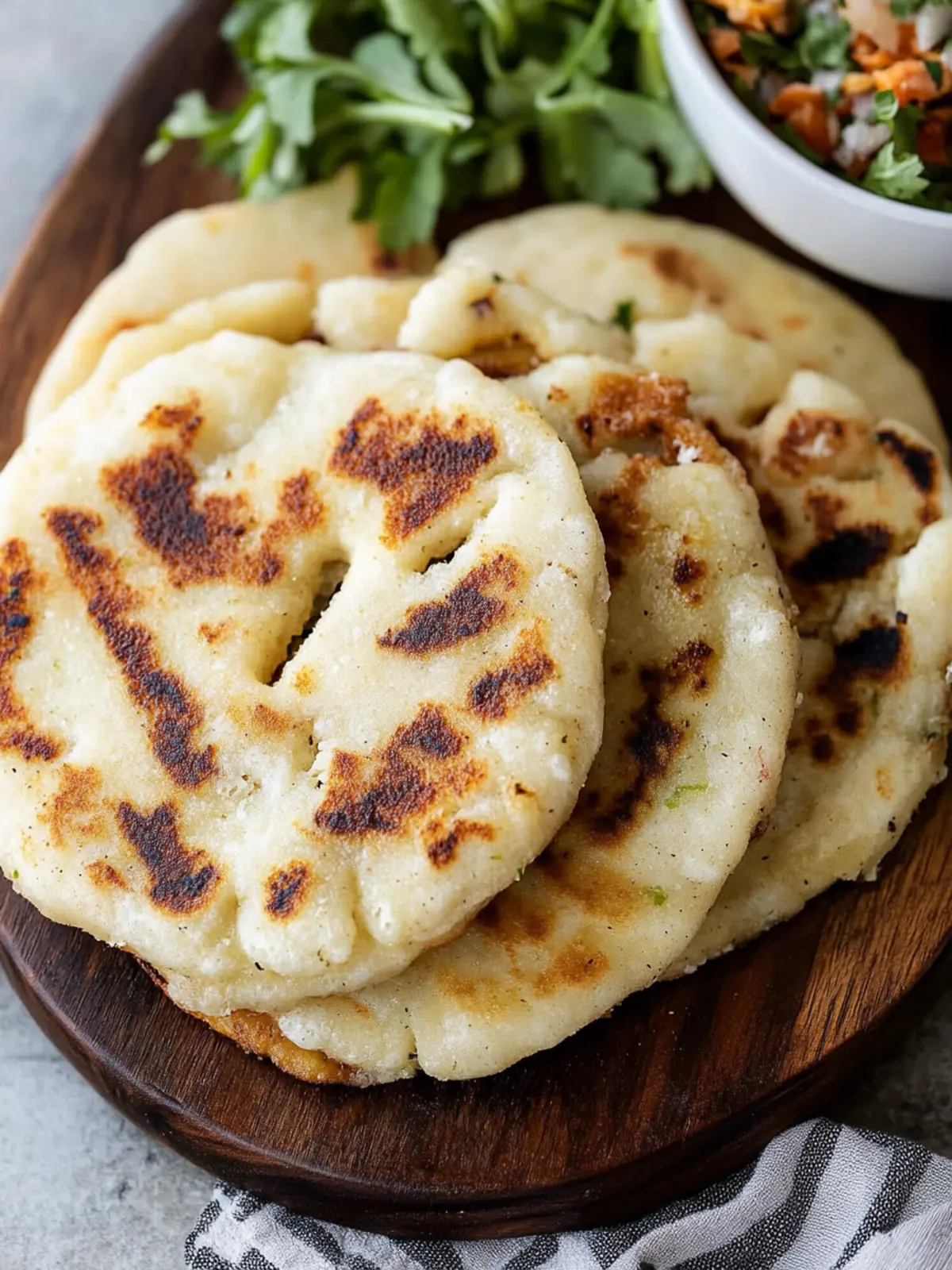
Homemade pupusas bring the comfort of a warm skillet, a soft corn masa pocket, and a rich bean-and-cheese center to your table in less than an hour. These pupusas make a classic Salvadoran-inspired dinner that is simple enough for a weeknight but special enough for a family gathering. Each round is made with masa harina dough, filled with seasoned refried beans and mozzarella, then cooked until the outside turns golden and lightly crisp.
The best part is the contrast. The dough is tender, the filling is creamy, and the curtido adds a bright, tangy crunch that keeps every bite balanced. If you have been looking for a pupusas recipe that feels approachable, flavorful, and practical, this version gives you the full experience without complicated steps or hard-to-find ingredients.
What Makes This Recipe Special
This recipe uses pantry-friendly ingredients, but the flavor feels restaurant-worthy. The refried beans add body, the mozzarella melts into the filling, and the chicken seasoning brings a savory depth that makes the filling taste complete. The homemade curtido also makes a big difference because it cuts through the richness with vinegar, cabbage, carrot, and onion.
Another reason to make pupusas at home is flexibility. You can keep them vegetarian, add cooked chicken, mix in chorizo, use different cheeses, or make extra curtido for tacos, rice bowls, and sandwiches later in the week. Once you learn the shaping method, you can adjust the filling to match your favorite flavors.
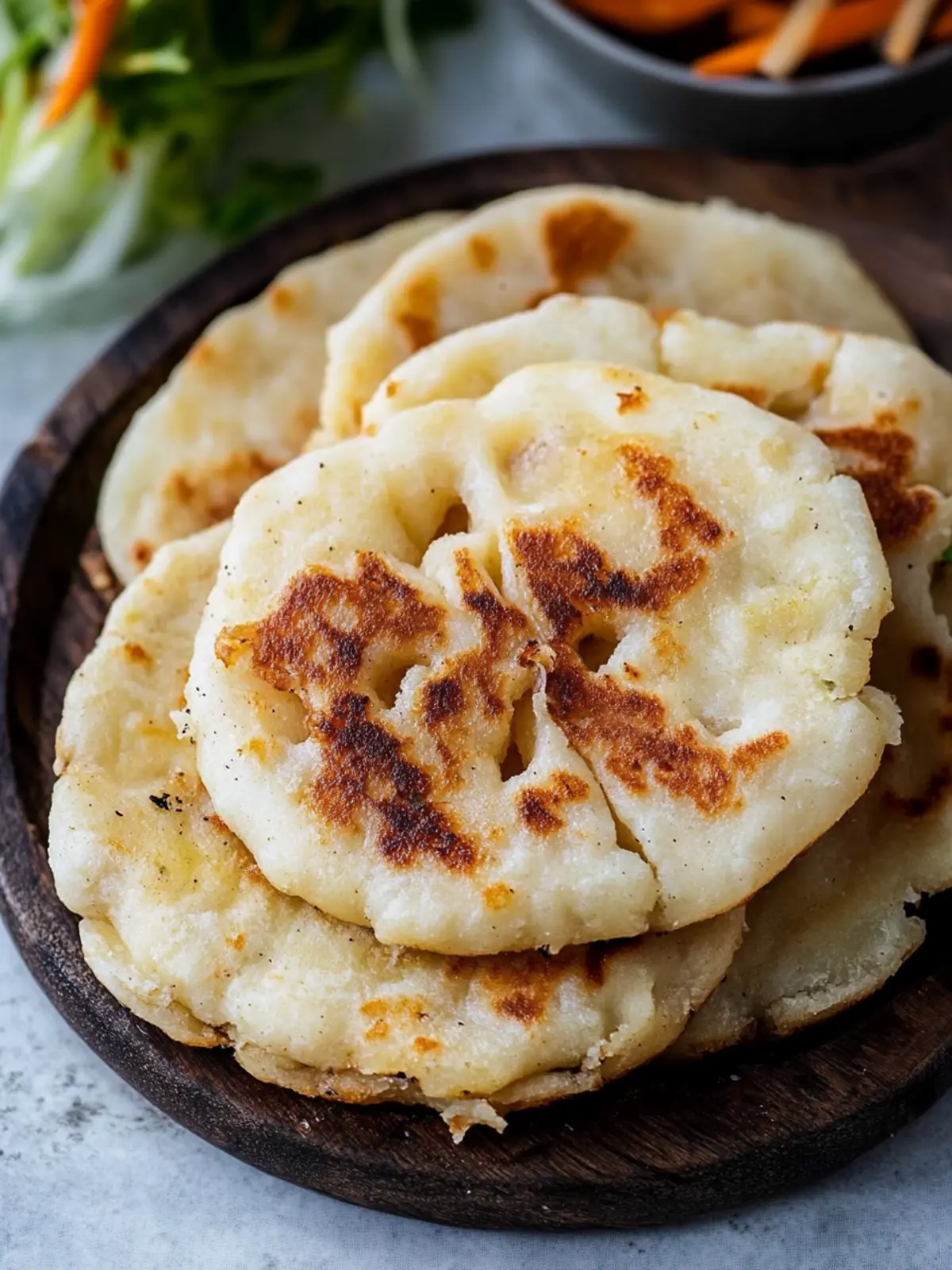
What Are Pupusas?
Pupusas are thick corn cakes traditionally associated with El Salvador and commonly filled with ingredients such as cheese, beans, pork, or a combination of fillings. They are usually served hot with curtido, a lightly pickled cabbage slaw, and often a tomato-style sauce. Unlike a tortilla, the filling is sealed inside the masa before cooking, so every bite has a soft center and a lightly crisp exterior.
This pupusas recipe keeps the process simple. You will make a quick dough, stir together a bean-and-cheese filling, prepare a fast curtido, shape each round by hand, and cook everything in a skillet.
Ingredients
For the Dough
- 3 cups masa harina
- 2 teaspoons salt
- 2 3/4 cups warm water
Masa harina is the key ingredient. It gives the dough its classic corn flavor and soft texture. Warm water helps hydrate the flour evenly, making the dough easier to knead and shape.
For the Filling
- 15 ounces refried beans
- 1 packet chicken seasoning, preferably Goya
- 1 cup shredded mozzarella cheese
The filling should be thick enough to scoop without running. Refried beans create a creamy base, while mozzarella adds a gooey, cheesy center. Chicken seasoning adds a savory flavor boost, but you can adjust it to taste.
For the Curtido
- 1/2 head green cabbage, sliced
- 1 large carrot, peeled and thinly sliced
- 1 large onion, sliced thinly
- Salt, to taste
- 1/2 cup white vinegar or apple cider vinegar
- 1/2 cup boiling water, or more as needed
Curtido is more than a topping for pupusas. It adds crunch, acidity, freshness, and color. Letting it sit while you cook helps the vegetables soften and absorb the vinegar.
For Frying
- 2 tablespoons avocado oil, or oil of choice
Use just enough oil to help the outside brown. A cast iron skillet works especially well because it holds steady heat and creates a beautiful crust.
How to Make Pupusas
1. Prepare the Curtido
Bring a large pot of water to a boil. Add the sliced cabbage and cook until it softens slightly. Reserve about 1/2 cup of the hot cooking water, then drain the cabbage well.
Place the cabbage in a bowl with the carrot, onion, salt, vinegar, and reserved hot water. Toss everything together, then let it sit while you prepare the dough and filling. For the best flavor, give the curtido at least 30 minutes to rest.
2. Make the Bean and Cheese Filling
In a medium bowl, combine the refried beans, chicken seasoning, and shredded mozzarella. Stir until the mixture is evenly blended. The filling should be thick, creamy, and easy to portion with a spoon. Set it aside while you make the dough.
3. Mix the Masa Dough
Add the masa harina and salt to a large mixing bowl. Pour in the warm water gradually, mixing with your hands as you go. Knead until the dough becomes smooth, soft, and pliable. It should feel similar to play-doh: moist enough to shape, but not sticky or wet.
If the dough cracks when pressed, add a tablespoon of warm water at a time. If it feels too sticky, sprinkle in a little more masa harina. Getting the texture right makes the shaping step much easier.
4. Fill and Shape
Take a small handful of dough and roll it into a ball. Flatten it into a thick disc, then press the center gently to create a shallow cup. Add 1 to 2 tablespoons of the bean mixture to the center.
Fold the edges of the dough up around the filling and pinch to seal. Gently flatten the sealed ball back into a disc, using your palms to keep the filling inside. Small cracks are normal; press them closed with damp fingers. Repeat until all the dough and filling are used.
5. Cook Until Golden
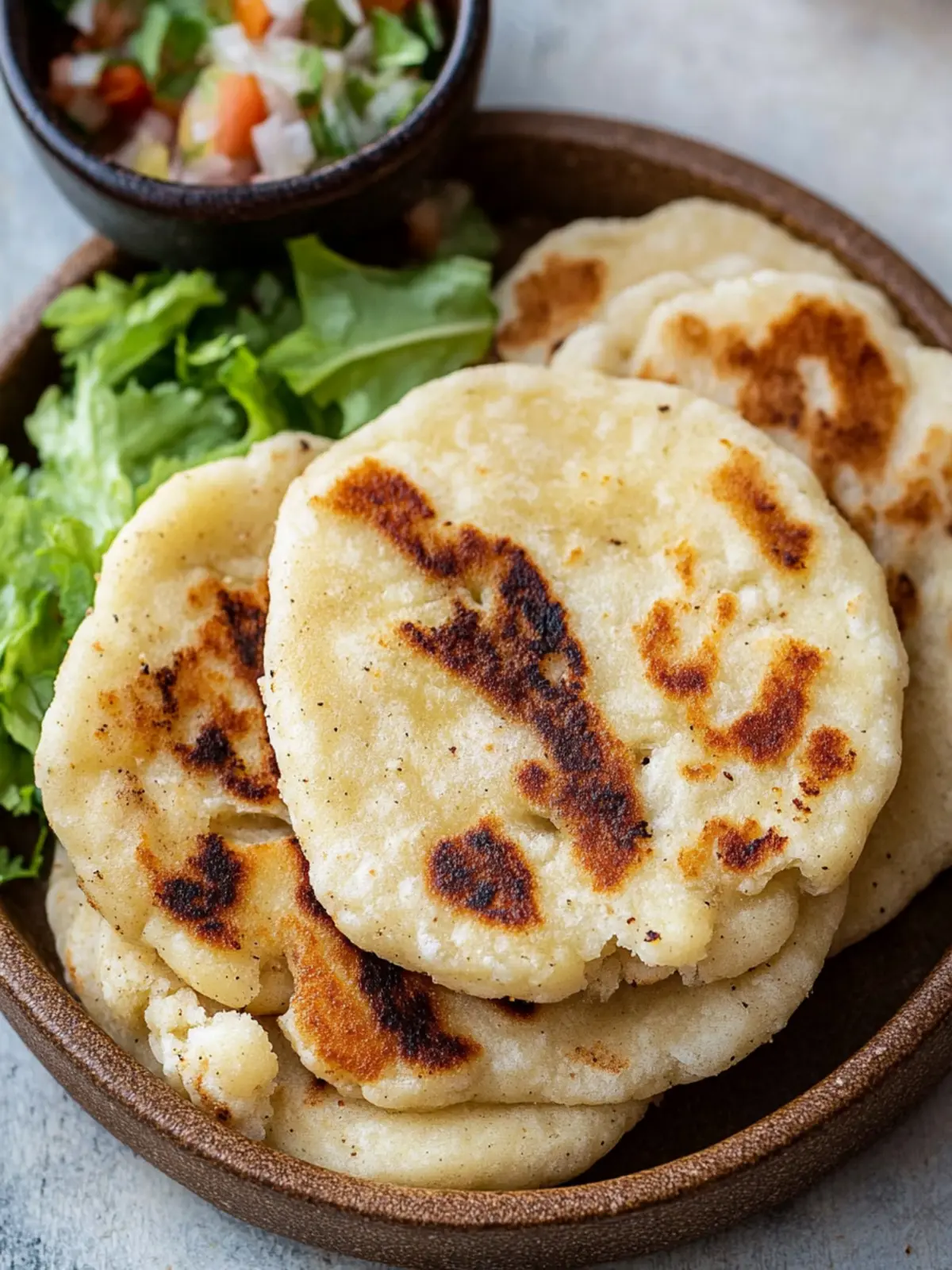
Heat a tablespoon of avocado oil in a cast iron skillet over medium heat. Add three pupusas at a time, leaving enough space to flip them easily. Cook for 2 to 3 minutes, or until the bottom is golden brown. Flip and cook for another 1 to 2 minutes, until the second side is browned and the filling is warm.
Repeat with the remaining rounds, adding a little more oil as needed. Serve hot with curtido spooned over the top.
Tips for the Best Results
For pupusas, the most important tip is to hydrate the dough properly. Dry dough will crack, while wet dough can tear when filled. Aim for a soft, smooth texture that holds its shape.
Do not overfill each piece. A generous filling is tempting, but too much makes the dough harder to seal. Start with 1 tablespoon, then increase slightly once you feel comfortable with the shaping process.
Keep the heat at medium. High heat can brown the outside too quickly before the center warms through. Medium heat gives the dough time to cook while still creating a crisp surface.
Use damp hands while shaping. A little water on your fingers helps smooth cracks and keeps the masa from sticking to your palms.
Easy Variations
For a vegetarian version, use vegetarian refried beans and a vegetable-based seasoning. For a spicier filling, stir in diced jalapeños, crushed red pepper, or a spoonful of hot sauce. For a heartier option, add cooked shredded chicken, crumbled chorizo, or seasoned ground meat.
You can also change the cheese. Mozzarella melts beautifully, but Oaxaca cheese, Monterey Jack, pepper jack, or mild cheddar can also work well. If you want a stronger flavor, combine two cheeses.
For a fresh twist, mix chopped cilantro into the filling or add a squeeze of lime to the curtido before serving.
What to Serve With Pupusas
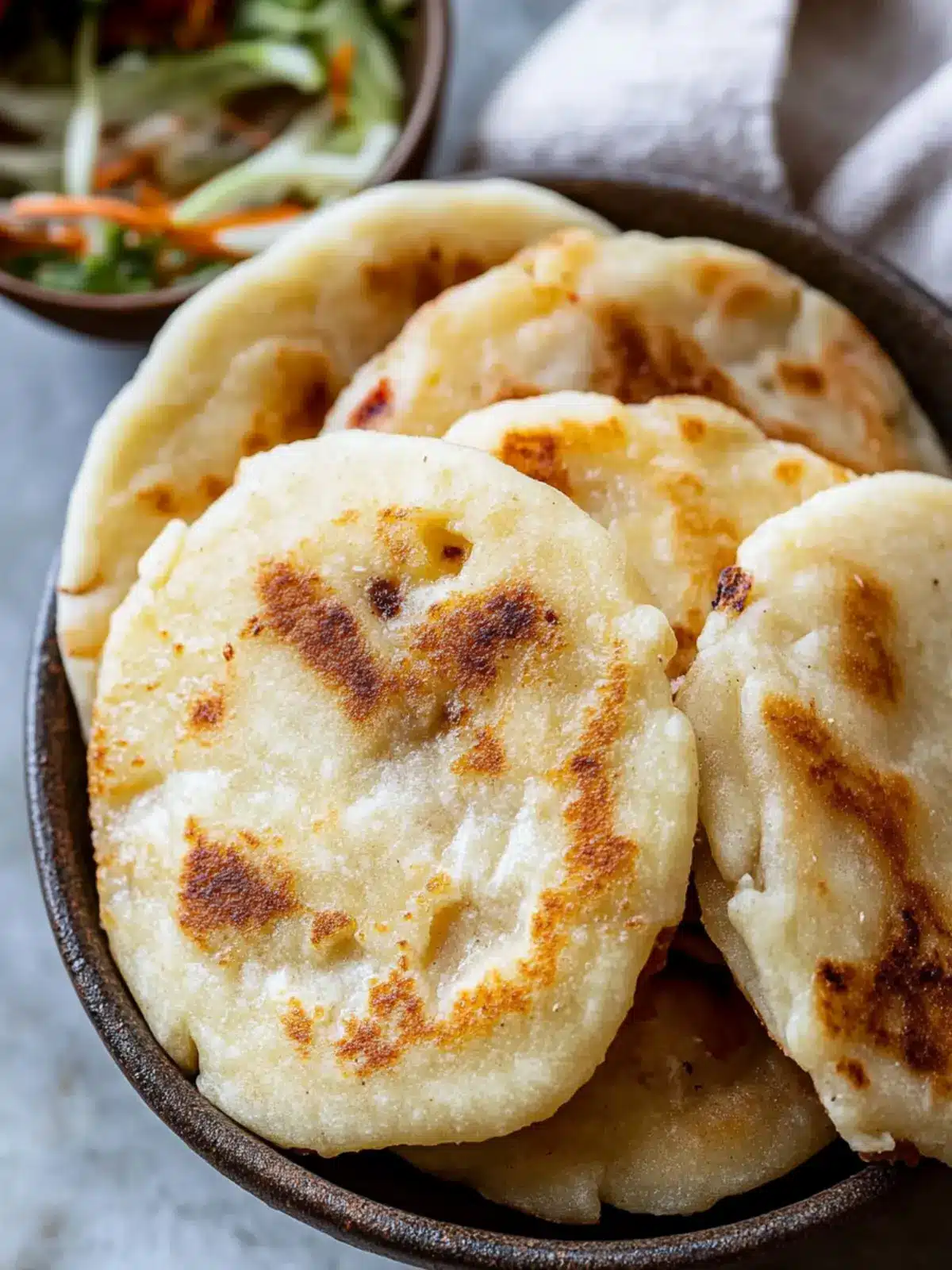
Curtido is the classic topping, and it should be the first thing you serve with this dish. Its tangy crunch balances the warm masa and creamy filling. You can also add salsa roja, hot sauce, guacamole, rice and beans, fried plantains, or a simple green salad.
For drinks, try horchata, agua fresca, iced tea, or sparkling water with lime. The goal is to keep the sides bright and refreshing so the main dish stays the star.
How to Store and Reheat
Let leftover pupusas cool completely before storing. Place cooked pupusas in an airtight container and refrigerate for up to 3 days. To reheat, warm them in a skillet over medium heat until heated through and crisp again. A microwave works in a pinch, but the exterior will be softer.
To freeze, wrap each cooked piece tightly in plastic wrap and place them in a freezer-safe bag. Freeze for up to 3 months. Thaw overnight in the refrigerator, then reheat in a skillet for the best texture.
Make-Ahead Instructions
You can prepare the curtido up to 3 days in advance and keep it chilled in a sealed jar or container. In fact, the flavor improves as it rests.
The filling can also be made a day ahead. Store it covered in the refrigerator, then bring it closer to room temperature before filling the dough. The masa dough is best when freshly mixed, but you can prepare it a few hours early and keep it covered tightly so it does not dry out.
Frequently Asked Questions
Why is my dough cracking?
The dough is probably too dry. Add warm water one tablespoon at a time and knead until it becomes smooth and flexible. Keep your hands damp while shaping to seal small cracks.
Can I make this recipe without cheese?
Yes. Use only refried beans or add sautéed vegetables, seasoned lentils, or cooked meat. The filling should stay thick so it does not leak during cooking.
Can I bake them instead of frying?
Skillet cooking gives the best texture. Baking can work, but the outside will be drier and less crisp. If you want to use less oil, cook them on a nonstick skillet or well-seasoned cast iron pan with only a light brush of oil.
What is the best pan to use?
A cast iron skillet is ideal because it browns the masa evenly. A griddle or heavy nonstick skillet can also work.
How do I know they are done?
They are ready when both sides are golden brown, the dough looks set, and the filling is hot. The edges should feel firm but not hard.
Final Thoughts
Homemade pupusas are cozy, satisfying, and full of flavor. With a simple masa dough, a creamy bean-and-cheese center, and a bowl of tangy curtido, this recipe turns basic ingredients into a memorable meal. Serve them fresh from the skillet, let everyone add their favorite toppings, and enjoy a dinner that feels both comforting and festive.
5-Step Pupusas Recipe with Irresistible Beans, Cheese, and Curtido
Ingredients
Equipment
Method
- Prepare the Curtido: Bring a large pot of water to a boil. Add the sliced cabbage and boil until soft. Reserve about 1/2 cup of the cooking water, then drain the rest. Mix the cabbage with carrot, onion, salt, vinegar, and the reserved hot water. Let it sit while you work on the pupusas.
- Make the Filling: In a bowl, combine the refried beans, chicken seasoning, and shredded mozzarella cheese. Mix until well blended, then set aside for later use.
- Create the Dough: In a large mixing bowl, mix the masa harina and salt. Gradually stir in warm water, a cup at a time, using your hands to knead until you form a dough that feels smooth and pliable—like play-doh!
- Assemble the Pupusas: Take a small handful of dough and flatten it into a disc. Gently lift the edges to create a shallow bowl shape, then add 1-2 tablespoons of the bean mixture. Fold the edges up and shape it back into a disc. Repeat until all mixture is used.
- Cook the Pupusas: Heat a tablespoon of avocado oil in a cast iron skillet over medium heat. Add 3 pupusas and cook for about 2-3 minutes until golden brown. Flip and cook for an additional 1-2 minutes. Repeat until all pupusas are cooked.
- Serve and Enjoy: Top your warm pupusas with the tangy curtido and savor each delightful bite!