
The scent of sweet pineapple mingling with savory shrimp and zesty garlic always transports me to a bustling Thai market. This Quick Thai Sweet and Sour Shrimp recipe is my secret weapon for those weeknights when I crave something delicious yet effortless. In less than 30 minutes, you can whip up a dish that not only rivals your favorite takeout but also brings a burst of fresh flavors to your table. Dressed in a tangy homemade sauce, this dish combines juicy shrimp, vibrant vegetables, and that irresistible hint of sweetness—making it a crowd-pleaser for any family gathering or cozy meal at home. Whether you’re a seasoned chef or just starting your culinary journey, this recipe is adaptable, allowing you to switch in chicken or beef for a delightful twist. Get ready to savor a delightful blend of flavors that proves homemade can be just as exciting as dining out!

Why You’ll Love Thai Sweet and Sour Shrimp
Quick, under 30 minutes: This recipe is perfect for busy weeknights, allowing you to enjoy a restaurant-style meal without the wait or hassle.
Vibrant flavors: The combination of sweet pineapple, succulent shrimp, and fresh vegetables creates a symphony of delicious tastes that ignite your palate.
Versatile ingredients: Feel free to swap the protein or toss in any extra veggies you have on hand for a dish that truly reflects your personal taste.
Homemade sauce: A quick, tangy sauce elevates this dish, making it healthier than takeout and tailored to your preference.
Crowd-pleaser: Whether it’s a family dinner or entertaining friends, everyone will appreciate this delightful blend of flavors that will leave them asking for seconds!
For another quick and satisfying dish, check out my delicious better than takeout chicken fried rice.
Thai Sweet and Sour Shrimp Ingredients
To create this tantalizing dish, gather the following ingredients:
For the Sauce
- Tomato Ketchup – Sweetness and flavor base for the sauce; consider using another non-sweet sauce for a different profile.
- Light Soy Sauce – Adds umami and saltiness; if you’re looking for a gluten-free option, try tamari instead.
- Oyster Sauce – Provides depth and savory notes; you can substitute with mushroom sauce for a vegetarian option.
- Sugar – Balances the sweetness and sourness; brown sugar will give a richer flavor if desired.
- Rice Vinegar – Contributes tanginess to the sauce; apple cider vinegar can work well as a substitute.
- Water – Adjusts sauce consistency; using low-sodium chicken broth adds more flavor.
For the Stir-Fry
- Oil – Used for stir-frying; vegetable or peanut oil are best due to high smoke points.
- Garlic – An aromatic flavor base; fresh is ideal, but powdered garlic works in a pinch.
- Shrimp – The main protein source, peeled and deveined; chicken or tofu can be delicious substitutes.
- Pineapple – Adds sweetness and juiciness; opt for fresh or canned without added sugar.
- Onion – Brings sweetness and texture; shallots can offer a milder taste if preferred.
- Bell Peppers – Provide crunch and color; feel free to use any variety you like.
- Cucumber – Adds freshness and crunch; zucchini can be a substitute if needed.
- Tomato – Offers acidity and juiciness; this can be omitted if desired.
- Green Onions – Used as a garnish for a pop of freshness; chopped cilantro can be a tasty alternative.
Now you’re all set to prepare your own Thai Sweet and Sour Shrimp, bringing those vibrant flavors home!
How to Make Thai Sweet and Sour Shrimp
-
Make the Sauce: In a small saucepan, combine oyster sauce, soy sauce, sugar, rice vinegar, ketchup, and water. Heat over low to medium until the sugar dissolves, about 1-2 minutes; be careful not to let it boil.
-
Cook Shrimp: Heat oil in a large pan or wok over low-medium heat. Add minced garlic and stir for about 10 seconds until fragrant, then add the shrimp. Cook for 1-2 minutes per side until they turn pink. Remove the shrimp and set aside.
-
Stir-Fry Vegetables: In the same pan, toss in onion, bell peppers, pineapple, and cucumber. Stir-fry for 2-3 minutes until the vegetables are slightly tender but still vibrant.
-
Combine: Pour the prepared sauce into the vegetable mixture along with the tomatoes. Toss everything together until the sauce bubbles and coats the ingredients.
-
Finish Dish: Return the cooked shrimp to the pan, tossing gently to warm through. Garnish with chopped green onions, and serve hot for a delightful meal!
Optional: Serve with steamed jasmine rice for a complete and satisfying dish.
Exact quantities are listed in the recipe card below.
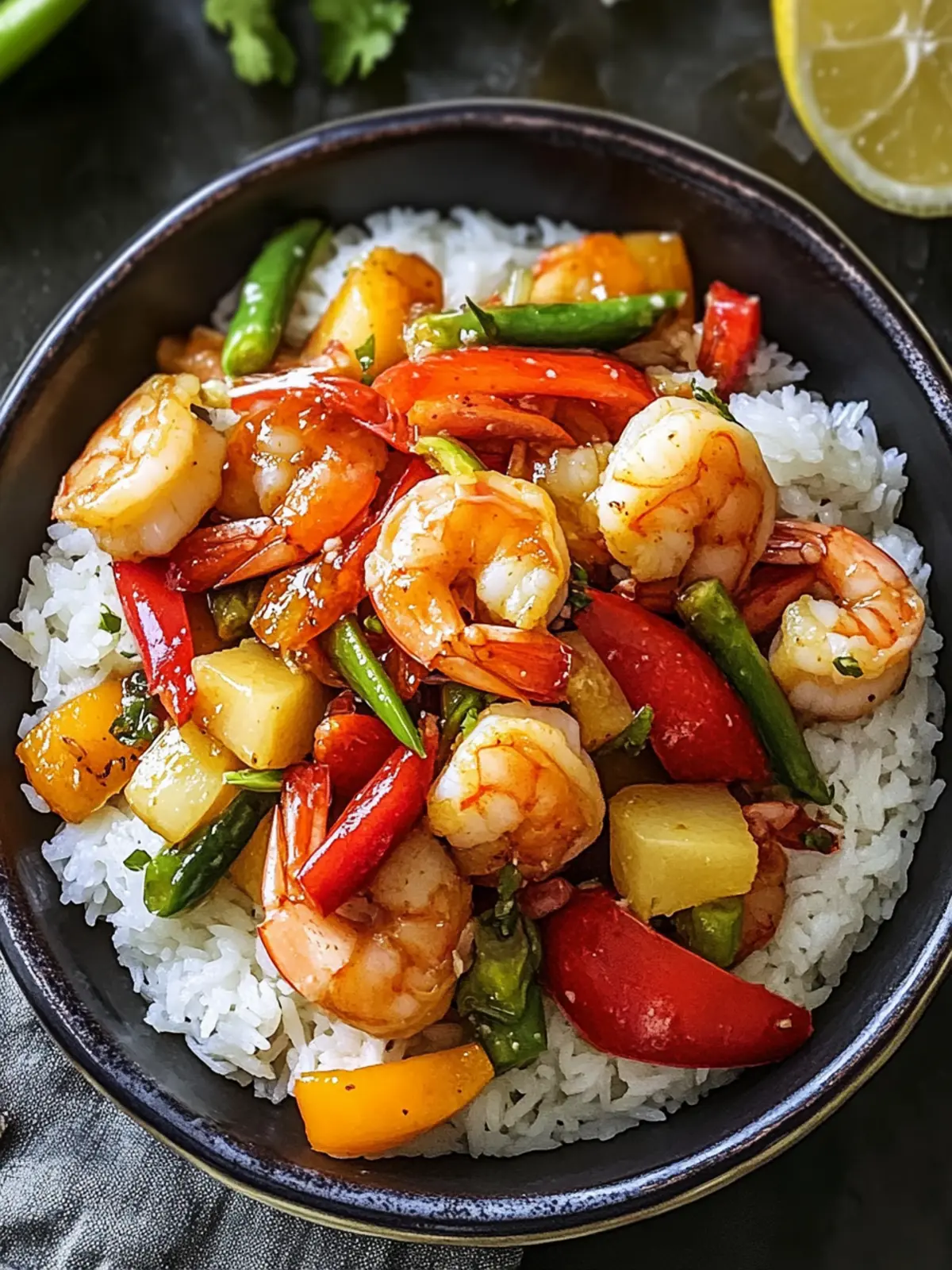
Variations & Substitutions for Thai Sweet and Sour Shrimp
Feel free to get creative with this dish, transforming it into something uniquely yours with delightful twists and swaps.
- Protein Swap: Substitute shrimp with chicken, beef, or tofu for a different protein experience that still delivers on flavor.
- Extra Crunch: Add snap peas or carrots to the stir-fry for a satisfying crunch and extra color in your dish. Treat your taste buds to a delightful texture upgrade!
- Heat it Up: For a spicier kick, incorporate chili flakes or fresh sliced jalapeños into the sauce, allowing the heat to blend beautifully with the sweetness.
- Herb Boost: Toss in fresh basil or cilantro along with the vegetables for an aromatic twist that brightens the flavors.
- Fruit Variation: Swap out pineapple for mango or bell peppers for a unique twist on sweetness, introducing new layers of flavor to your dish.
- Vinegar Change: Use lime juice instead of rice vinegar for an added tang that elevates the dish, creating a refreshing zing.
- Coconut Twist: Stir in a splash of coconut milk to the sauce for a creamy, tropical twist that harmonizes beautifully with the shrimp.
- Gluten-Free Option: Replace soy sauce with coconut aminos or tamari for a gluten-free alternative that keeps the umami flavor intact.
Expert Tips for Thai Sweet and Sour Shrimp
-
Perfectly Cooked Shrimp: Ensure the shrimp are not overcooked; they should be pink and slightly curled, giving that perfect texture.
-
High Heat Cooking: Use high heat for quick stir-frying to help maintain the crispness of the vegetables, avoiding a soggy bite.
-
Double the Sauce: Prepare a double batch of the sauce and store it in the fridge for future quick meals. It’s a game changer for busy nights!
-
Taste Adjustment: Feel free to adjust the sweetness and sourness of the sauce to your liking by varying the sugar and vinegar amounts.
-
Experiment with Veggies: Toss in any leftover vegetables for added color and nutrients. Carrots and snap peas are great options to consider for your Thai Sweet and Sour Shrimp.
What to Serve with Thai Sweet and Sour Shrimp?
A delightful balance of sweet and sour flavors deserves sides that complement its vibrant taste perfectly!
-
Steamed Jasmine Rice: The soft, fluffy texture absorbs the tangy sauce beautifully, making every bite a delicious experience.
-
Garlic Fried Rice: This fragrant fried rice enhances the dish with a savory touch and adds satisfying texture, creating a harmonious blend of flavors.
-
Fresh Cucumber Salad: Crisp cucumbers tossed in a simple vinegar dressing refresh your palate and contrast the warmth of the stir-fry.
-
Spring Rolls: Crunchy vegetables wrapped in delicate rice paper bring a delightful, light contrast to the richness of the shrimp dish.
-
Thai Iced Tea: This creamy and sweet beverage cools the palate, making it an excellent pairing for the spicy kick often found in Thai cuisine.
-
Pineapple Upside-Down Cake: End on a sweet note! This fruity dessert mirrors the pineapple in the shrimp dish while providing a moist and delectable finish.
Serving this colorful meal alongside thoughtful pairings will elevate your dining experience and impress family and friends alike!
Make Ahead Options
These Thai Sweet and Sour Shrimp are a fantastic choice for meal prep enthusiasts! You can prepare the sauce up to 24 hours in advance and store it in an airtight container in the refrigerator to keep its freshness. Chop your vegetables (bell peppers, onion, cucumber, and pineapple) and refrigerate them for up to 3 days before cooking. When you’re ready to serve, just stir-fry the vegetables and shrimp together, pour in your prepped sauce, and heat until bubbling. This method not only saves time on busy nights but also ensures your dish is just as delicious and vibrant as if made from scratch in one go!
How to Store and Freeze Thai Sweet and Sour Shrimp
-
Fridge: Store leftover Thai Sweet and Sour Shrimp in an airtight container for up to 3 days. Reheat in a pan over low heat to maintain the shrimp’s texture and prevent overcooking.
-
Freezer: If you’d like to save it for later, freeze the Thai Sweet and Sour Shrimp in a freezer-safe container for up to 2 months. Thaw overnight in the fridge before reheating.
-
Reheating: Gently reheat in a skillet over medium heat, adding a splash of water or broth if needed to loosen the sauce. Avoid using a microwave to keep the shrimp tender.
-
Airtight Tips: When storing, ensure that the container is airtight to prevent the dish from absorbing odors and losing flavor during storage.
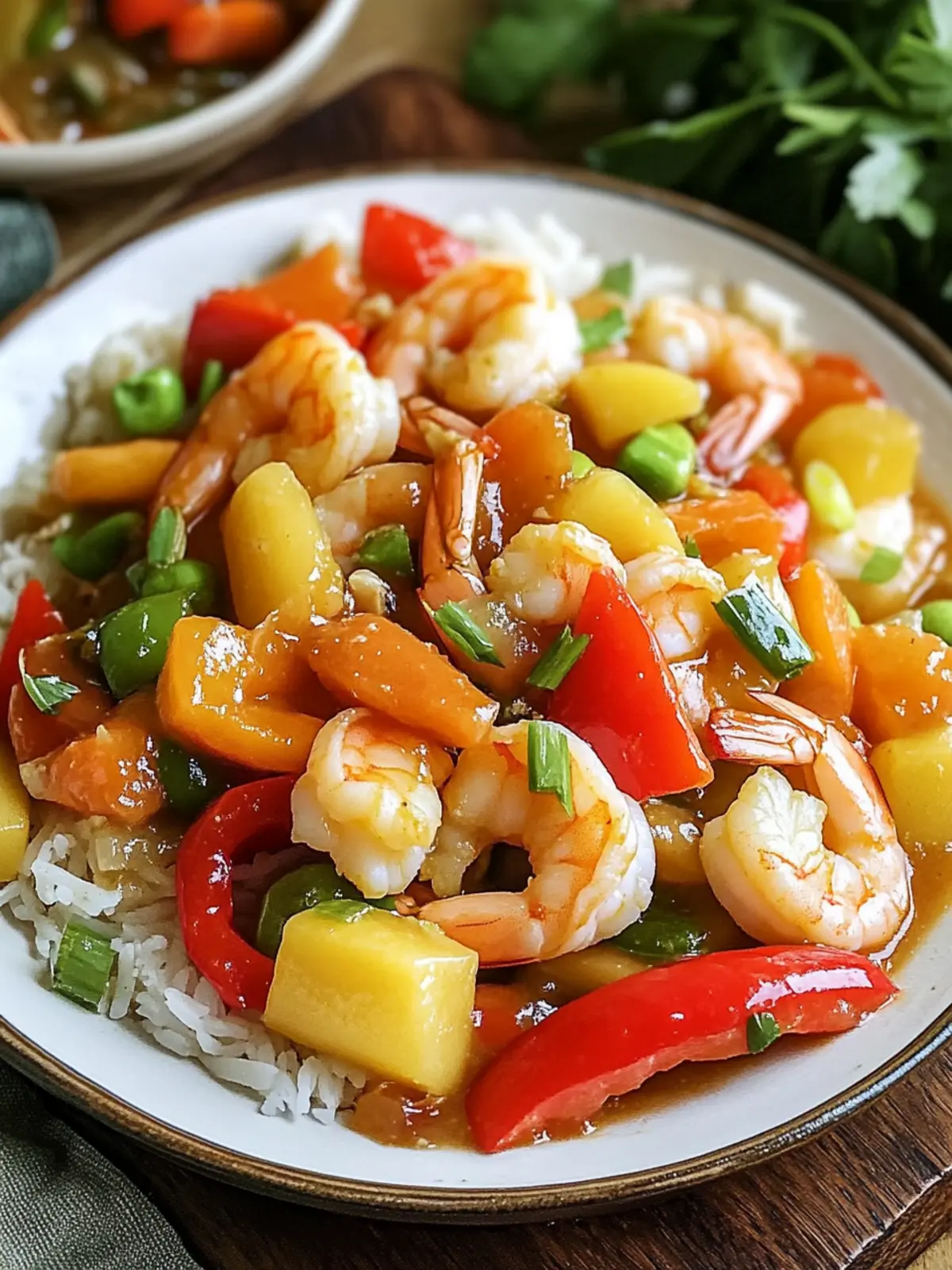
Thai Sweet and Sour Shrimp Recipe FAQs
What kind of pineapple should I use for the best flavor?
Absolutely! Fresh, juicy pineapple is ideal for this dish as it adds a delightful sweetness and texture. If using canned pineapple, ensure it’s packed in juice or water and contains no added sugars, so it complements the flavors without overpowering them.
How do I store leftovers, and how long will they last?
You can store your leftover Thai Sweet and Sour Shrimp in an airtight container in the fridge for up to 3 days. I recommend reheating it gently in a sauté pan over low heat to maintain the shrimp’s tender texture and avoid overcooking.
Can I freeze Thai Sweet and Sour Shrimp?
Absolutely! To freeze, place the shrimp in a freezer-safe container, ensuring it’s sealed tightly. It can stay fresh in the freezer for up to 2 months. When you’re ready to enjoy, simply thaw overnight in the fridge and reheat gently in a skillet, adding a splash of water or broth if necessary.
What should I do if my sauce is too sweet?
Very! If you find your sauce is a bit too sweet for your taste, you can brighten the flavor by adding more rice vinegar, a splash at a time, until it reaches your desired balance. Also, incorporating a pinch of salt can help tone down the sweetness further.
Are there any dietary considerations for this dish?
Great question! This Thai Sweet and Sour Shrimp is not gluten-free due to the use of soy sauce. However, you can substitute regular soy sauce with gluten-free tamari to accommodate gluten sensitivities. For other allergens, be sure to check labels on sauces, and if you’re concerned about seafood allergies, feel free to replace the shrimp with chicken or tofu.
What should I do if my shrimp are overcooked?
Don’t worry! If you accidentally overcook your shrimp, they might end up a bit rubbery. To prevent this in the future, cook your shrimp until they just turn pink and slightly curl; they should take only 1-2 minutes per side. If you find yourself with overcooked shrimp already, consider chopping them into smaller pieces and mixing them into fried rice or a salad to incorporate them into another dish.
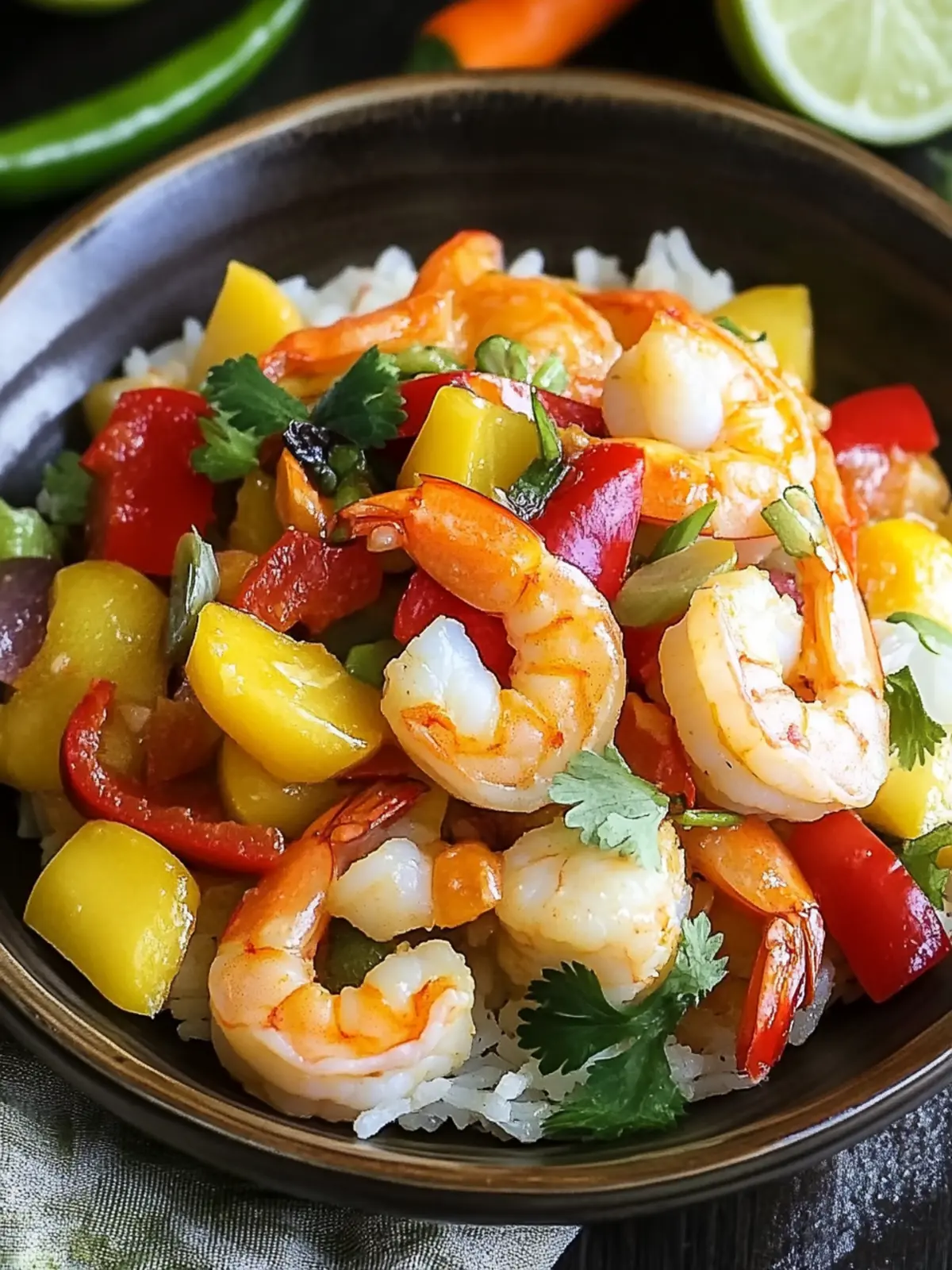
Taste the Best Thai Sweet and Sour Shrimp Under 30 Minutes
Ingredients
Equipment
Method
- In a small saucepan, combine oyster sauce, soy sauce, sugar, rice vinegar, ketchup, and water. Heat over low to medium until sugar dissolves, about 1-2 minutes.
- Heat oil in a large pan or wok. Add minced garlic and stir for about 10 seconds until fragrant, then add the shrimp. Cook for 1-2 minutes per side until pink. Remove shrimp and set aside.
- In the same pan, toss in onion, bell peppers, pineapple, and cucumber. Stir-fry for 2-3 minutes until slightly tender but vibrant.
- Pour the prepared sauce into the vegetable mixture along with the tomatoes. Toss everything together until the sauce bubbles and coats the ingredients.
- Return the cooked shrimp to the pan, tossing gently to warm through. Garnish with chopped green onions and serve hot.